Architecture Cloud
Cloud Architecture: A Comprehensive Guide to Modern Cloud System Design
Understanding Architecture Cloud
As organizations increasingly migrate toward digital transformation, the term architecture cloud has become central to discussions around scalability, flexibility, and operational efficiency. Cloud architecture refers to the conceptual blueprint that defines the structure, components, and interactions within cloud-based environments. It encompasses the technologies, services, and design principles that enable applications, data, and infrastructure to operate securely and efficiently on the cloud.
A well-designed cloud architecture allows businesses to reduce operational complexity, enhance performance, and adopt modern computing practices such as microservices, automation, and distributed systems. This article explores cloud architecture in detail, including its key components, design principles, deployment models, and best practices.
What Is Architecture Cloud?
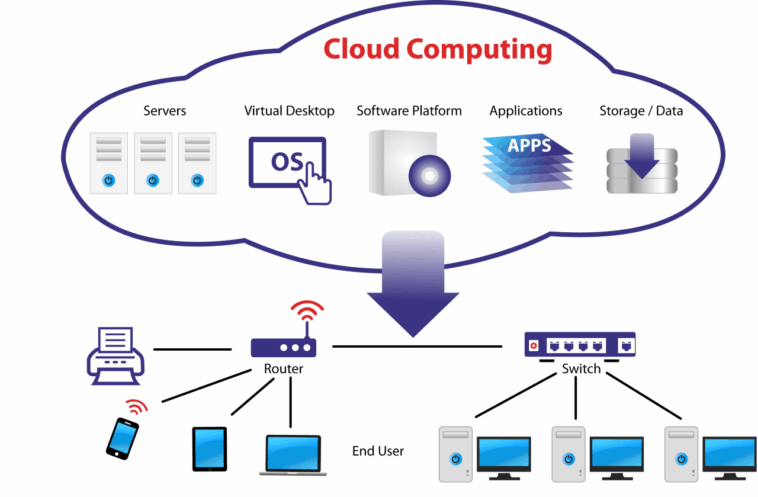
Cloud architecture is the framework that describes how cloud resources—compute, storage, networking, and services—interact to deliver applications and solutions over the internet. It involves:
Structuring cloud components
Managing data flow between services
Ensuring high availability
Implementing security controls
Designing for elasticity, scalability, and resiliency
The goal of architecture cloud design is to create a system that is fault-tolerant, adaptable, scalable, and cost-effective.
Architecture Cloud
Key Components of Cloud Architecture
A cloud environment typically consists of several integrated components. Below are the essential building blocks:
1. Compute Resources
These include virtual machines (VMs), containers, serverless functions, and high-performance instances. Compute resources perform the core processing tasks for applications.
2. Storage Systems
Cloud storage options vary depending on the use case, including:
Object storage
Block storage
File storage
Archive storage
These systems enable scalable, durable data management without the need for physical hardware.
3. Networking Components
Networking in cloud architecture ensures secure and efficient communication between resources. Key elements include:
Virtual Private Clouds (VPC)
Subnets
Firewalls and security groups
Load balancers
VPN and direct connections
4. Databases
Cloud providers offer many database services:
Relational (e.g., AWS RDS, Azure SQL Database)
NoSQL (e.g., DynamoDB, MongoDB Atlas)
In-memory databases (e.g., Redis, Memcached)
5. Orchestration and Management Tools
Cloud orchestration automates the deployment and lifecycle of infrastructure components—for example:
Kubernetes
AWS CloudFormation
Terraform
Azure Resource Manager
6. Monitoring and Observability Tools
These tools maintain visibility into application performance and infrastructure health:
CloudWatch
Azure Monitor
Google Operations
Datadog
Prometheus + Grafana
Architecture Cloud
Cloud Architecture Models
1. Traditional Three-Tier Architecture
This classical model separates an application into:
Presentation layer
Logic layer
Data layer
It is still widely used, especially in enterprise applications migrating to the cloud.
2. Microservices Architecture
Microservices divide applications into small, independent services that communicate via APIs. This architecture promotes flexibility, scalability, and faster development cycles.
3. Serverless Architecture
Applications run through event-driven functions without managing servers. This approach reduces operational overhead and automatically scales based on demand.
4. Event-Driven Architecture
This model relies on events and triggers to process workflows. It is ideal for systems requiring real-time responses and high scalability.
5. Hybrid and Multi-Cloud Architectures
Many organizations deploy resources across multiple cloud providers or mix on-premises environments with the cloud. This approach enhances redundancy, reduces vendor lock-in, and improves availability.
Architecture Cloud
Cloud Deployment Models in Architecture Cloud
To design a comprehensive cloud architecture, organizations must choose the appropriate deployment model:
1. Public Cloud
Resources are hosted and managed by cloud providers such as AWS, Google Cloud, and Microsoft Azure. This model offers:
Cost efficiency
Global accessibility
Scalability
Minimal maintenance
2. Private Cloud
Hosted either on-premises or in a dedicated environment, private clouds offer:
Enhanced security
Greater control
Customization options
They are ideal for industries with strict compliance requirements.
3. Hybrid Cloud
A hybrid cloud integrates both public and private clouds, allowing organizations to run sensitive workloads on private infrastructure while leveraging public cloud scalability. This model is widely used for:
Gradual cloud migration
Backup and disaster recovery
Data sovereignty requirements
4. Multi-Cloud
In this approach, companies use services from multiple providers. Benefits include:
Avoiding vendor lock-in
Cost optimization
Increased reliability
Architecture Cloud
Cloud Architecture Design Principles
An effective cloud architecture follows specific principles to ensure performance, reliability, and cost-efficiency.
1. Scalability
The ability to expand or shrink resources according to demand is one of the fundamental principles of cloud architecture.
2. Elasticity
Unlike scalability, elasticity refers to automatic adjustment of resources in real time without manual intervention.
3. Resilience and Fault Tolerance
Cloud systems must remain operational even when components fail. This is achieved using:
Redundancy
Load balancing
Auto-healing services
4. Security by Design
Security must be integrated at every architectural layer, including:
Identity and access management
Encryption
Network segmentation
Zero-trust policies
5. Automation
Automating deployments, monitoring, backups, and scaling reduces operational errors and speeds up development cycles.
6. Cost Optimization
Cloud architecture must balance performance with cost by using:
Spot instances
Autoscaling
Right-sizing resources
Monitoring usage patterns
Architecture Cloud
Benefits of an Effective Cloud Architecture
1. Increased Performance
A well-designed cloud architecture ensures fast application performance and global accessibility through content distribution networks (CDNs) and optimized computing layers.
2. Enhanced Reliability
Cloud providers offer multiple availability zones and failover mechanisms to maintain service continuity.
3. Greater Agility
Cloud architecture supports rapid deployment and development, enabling businesses to innovate faster.
4. Stronger Security
Centralized controls, compliance certifications, and built-in encryption ensure robust protection.
5. Reduced Costs
Organizations avoid buying expensive physical hardware, benefiting from pay-as-you-go pricing models.
Challenges in Cloud Architecture
Despite its advantages, cloud architecture poses several challenges:
1. Complexity
Implementing multi-cloud or hybrid architecture requires skilled professionals and advanced orchestration tools.
2. Security Risks
Misconfigured security groups, overly permissive access policies, and poor identity management practices can create vulnerabilities.
3. Cost Overruns
Improper resource allocation can lead to unexpected cloud bills.
4. Integration with Legacy Systems
Migrating traditional applications to cloud-native architecture can be time-consuming and costly.
5. Network Dependency
Cloud systems rely heavily on network stability, making poor connectivity a potential bottleneck.
Architecture Cloud
Best Practices for Designing an Architecture Cloud
1. Choose the Right Architecture Model
Select microservices, serverless, or monolithic structures based on workload requirements.
2. Apply the Principle of Least Privilege
Limit user permissions and access to minimize security risks.
3. Use Infrastructure as Code (IaC)
Automate provisioning for consistent and repeatable deployments.
4. Implement Multi-Zone Redundancy
Deploy resources across multiple availability zones to ensure resilience.
5. Optimize Cloud Costs
Regularly review:
Idle resources
Over-provisioned servers
Storage classes
Monitoring and alerts
6. Adopt a Zero-Trust Security Model
Verify every user, device, and application attempting to access the system.
7. Use Managed Services
Managed databases, Kubernetes services, and automation tools simplify operations and enhance reliability.
Architecture Cloud
Conclusion
Cloud architecture is the foundational framework that allows organizations to build scalable, secure, flexible, and high-performance cloud environments. As digital transformation accelerates, understanding how to design and implement architecture cloud models becomes essential for businesses of all sizes.
By applying best practices, choosing suitable deployment models, and leveraging modern cloud technologies, enterprises can create robust cloud systems that support innovation, reduce operational costs, and ensure long-term competitiveness.
Architecture Cloud