Cloud Automation and DevOps Integration
Cloud Automation and DevOps Integration
Cloud automation combined with DevOps practices empowers enterprises to deploy applications faster, reduce human error, and optimize resources. By integrating automation tools and DevOps principles, organizations can achieve continuous delivery, scalable infrastructure, and improved operational efficiency.
Enterprises in the United States, Europe, Australia, India, and Singapore are increasingly adopting cloud automation and DevOps to stay competitive, ensure reliability, and meet business objectives.
This article provides a comprehensive guide on cloud automation and DevOps integration strategies, best practices, tools, and real-world examples for 2025.
Cloud Automation and DevOps Integration
Understanding Cloud Automation and DevOps
Cloud Automation
Automates repetitive tasks such as deployment, configuration, and monitoring
Reduces manual errors and operational overhead
Enables scalable infrastructure management
DevOps Integration
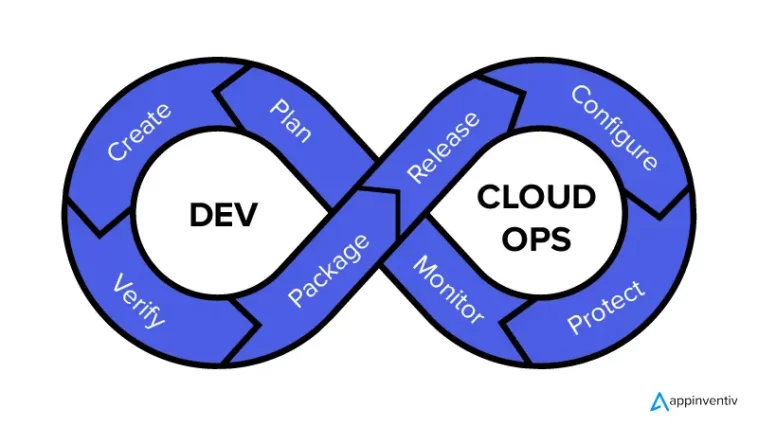
Combines development (Dev) and operations (Ops) for continuous delivery
Encourages collaboration and feedback loops
Supports CI/CD pipelines and automated testing
Example:
A US SaaS company automated its application deployment using Terraform and integrated CI/CD pipelines with Jenkins, reducing deployment times from hours to minutes.
Cloud Automation and DevOps Integration
Benefits of Cloud Automation and DevOps Integration
Key Advantages
Faster Deployment: Automated pipelines reduce manual steps and accelerate releases
Improved Reliability: Automation ensures consistent environments, reducing errors
Scalability: Automatically scale resources based on demand
Cost Optimization: Only provision resources when needed
Enhanced Security: Automate security checks and policy enforcement
Example:
An Australian fintech company integrated security automation into its DevOps pipeline, detecting vulnerabilities before production deployment and ensuring compliance with regulations.
Cloud Automation and DevOps Integration
Essential Tools for Cloud Automation
Infrastructure as Code (IaC)
Tools: Terraform, AWS CloudFormation, Azure Resource Manager
Benefits: Consistent environment setup, version control, and repeatable deployments
CI/CD Tools
Tools: Jenkins, GitLab CI/CD, CircleCI
Benefits: Continuous integration, automated testing, faster feedback loops
Configuration Management
Tools: Ansible, Chef, Puppet
Benefits: Automate configuration, patching, and environment setup
Example:
A Singaporean e-commerce startup used Ansible to configure servers and Terraform to provision infrastructure across AWS and Azure, achieving fast, reliable, and repeatable deployments.
Cloud Automation and DevOps Integration
Best Practices for Cloud Automation and DevOps Integration
Start Small and Scale Gradually
Begin with automating simple tasks
Gradually integrate complex workflows
Implement Version Control
Store infrastructure code, configurations, and scripts in version control systems like Git
Track changes and enable rollbacks
Automate Testing and Security Checks
Include unit, integration, and security tests in CI/CD pipelines
Detect issues before reaching production
Monitor and Optimize Pipelines
Track pipeline performance
Identify bottlenecks and optimize deployment steps
Example:
An Indian SaaS company implemented automated testing and security scanning in its CI/CD pipelines, preventing failed deployments and enhancing security.
Cloud Automation and DevOps Integration
Challenges and How to Overcome Them
Common Challenges
Cultural resistance to DevOps adoption
Complexity of integrating multiple cloud services
Initial learning curve for automation tools
Solutions
Provide DevOps training and workshops
Start with pilot projects to demonstrate value
Use managed services and automation platforms to simplify adoption
Example:
A European healthcare provider started with a pilot automation project for non-critical workloads, gradually expanding to all applications, achieving full DevOps integration within a year.
Cloud Automation and DevOps Integration
Continuous Monitoring and Feedback
Importance
Ensures automated workflows are functioning correctly
Provides metrics for optimization
Detects security or performance issues early
Tools for Monitoring
Prometheus and Grafana for metrics and dashboards
Datadog and New Relic for multi-cloud monitoring
Cloud-native monitoring tools (AWS CloudWatch, Azure Monitor)
Example:
A US fintech company used Prometheus and Grafana to monitor CI/CD pipelines and infrastructure, enabling proactive maintenance and faster issue resolution.
Cloud Automation and DevOps Integration
DevSecOps Integration
Integrating security into DevOps (DevSecOps) ensures compliance and protection throughout the development lifecycle.
Key Practices
Embed security checks into CI/CD pipelines
Automate vulnerability scanning
Maintain consistent access control and policy enforcement
Example:
An Australian SaaS company integrated automated vulnerability scanning using Snyk and container security checks into its DevOps pipelines, preventing security incidents in production.
Cloud Automation and DevOps Integration
Conclusion:
Cloud automation combined with DevOps integration accelerates deployments, improves reliability, reduces costs, and enhances security. Enterprises in the US, EU, AU, IN, and SG can achieve continuous delivery, scalable infrastructure, and operational efficiency by adopting IaC, CI/CD pipelines, automated testing, and monitoring. Proper planning, gradual adoption, and team training ensure long-term success in 2025.
Cloud Automation and DevOps Integration
Explore cloud automation, DevOps integration strategies, tools, and case studies at CloudComputingGate.com