Cloud-Based Systems Examples: Real-World Applications and Benefits of Cloud Computing
The rapid growth of digital technologies has made cloud-based systems an essential part of modern business operations and everyday digital life. Organizations across industries now rely on cloud-based systems to improve efficiency, scalability, and accessibility. Instead of maintaining complex on-premises infrastructure, companies use cloud environments to run applications, manage data, and deliver services over the internet.
This article explores cloud-based systems examples, explaining what cloud-based systems are, how they work, their advantages, and real-world use cases across various industries. The goal is to provide a comprehensive, SEO-optimized resource for readers seeking a clear understanding of cloud computing in practice.
Cloud-Based Systems Examples
What Are Cloud-Based Systems?
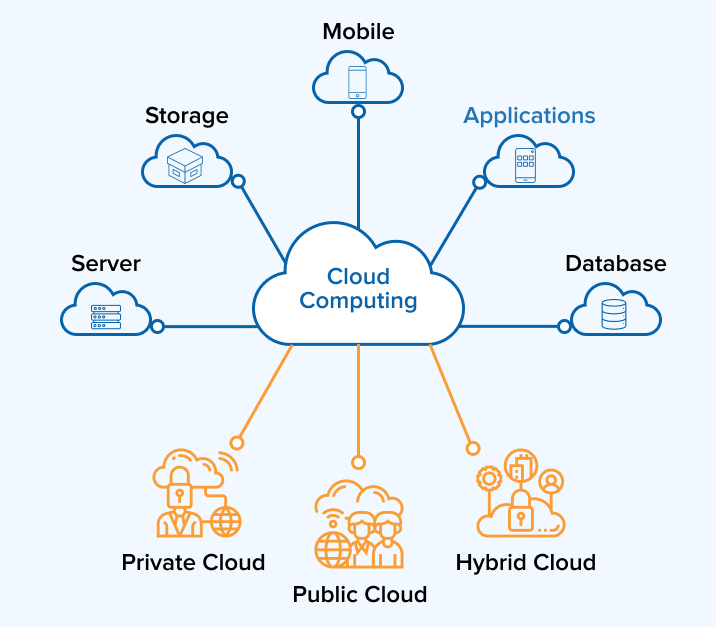
Cloud-based systems are applications, platforms, or services that operate using cloud computing infrastructure. These systems store data and execute processes on remote servers rather than on local machines or private data centers. Users can access cloud-based systems through web browsers or applications using an internet connection.
Cloud-based systems rely on shared computing resources, virtualization, and scalable infrastructure to deliver services efficiently and securely.
Cloud-Based Systems Examples
Why Cloud-Based Systems Are Important
Cloud-based systems have become vital because they address many limitations of traditional IT systems. Their importance includes:
Reduced infrastructure and maintenance costs
Rapid deployment and scalability
Global accessibility
Enhanced data security and reliability
Support for remote and hybrid work environments
As organizations continue digital transformation, cloud-based systems serve as the backbone of innovation.
Cloud-Based Systems Examples
Types of Cloud-Based Systems
Understanding the main types of cloud-based systems helps clarify how they are used in different contexts.
1. Software as a Service (SaaS)
SaaS delivers software applications via the cloud. Users access these applications online without installing or maintaining them locally.
2. Platform as a Service (PaaS)
PaaS provides development platforms that allow developers to build, test, and deploy applications in the cloud.
3. Infrastructure as a Service (IaaS)
IaaS offers virtualized computing resources such as servers, storage, and networking over the internet.
Cloud-Based Systems Examples
Cloud-Based Systems Examples
1. Google Workspace
Google Workspace is a widely used cloud-based system that provides productivity and collaboration tools.
Key features include:
Cloud-based email and document creation
Real-time collaboration
Secure data storage
Accessibility from any device
Organizations use Google Workspace to streamline communication and teamwork.
2. Microsoft 365
Microsoft 365 is a cloud-based system offering productivity applications and cloud services.
Benefits include:
Cloud-hosted Office applications
Integrated cloud storage
Enterprise-grade security
Seamless collaboration tools
It is a popular solution for businesses and educational institutions.
3. Salesforce
Salesforce is a leading cloud-based Customer Relationship Management (CRM) system.
Key advantages:
Centralized customer data
Sales and marketing automation
Cloud-based analytics and reporting
Scalability for businesses of all sizes
Salesforce demonstrates how cloud-based systems drive business growth.
4. Amazon Web Services (AWS)
AWS is a comprehensive cloud-based infrastructure platform that supports countless systems worldwide.
Core capabilities include:
Scalable computing resources
Cloud storage and databases
Support for machine learning and analytics
High availability and reliability
Many cloud-based systems are built entirely on AWS infrastructure.
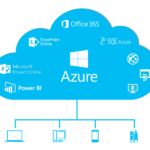
5. Microsoft Azure
Microsoft Azure is a powerful cloud-based platform offering services for application hosting, data management, and system integration.
Key features include:
Hybrid cloud support
Advanced security controls
AI and data analytics services
Enterprise-level scalability
Azure supports complex cloud-based systems for global enterprises.
6. Dropbox
Dropbox is a cloud-based file storage and sharing system used by individuals and teams.
Notable features include:
Cloud synchronization
File sharing and version control
Secure data encryption
Integration with third-party tools
Cloud-Based Systems Examples
7. Zoom
Zoom is a cloud-based communication system that enables video conferencing and virtual collaboration.
Key advantages include:
High-quality video meetings
Cloud recording and storage
Scalability for large audiences
Cross-platform accessibility
Zoom exemplifies cloud-based systems in communication technology.
Cloud-Based Systems Examples
Cloud-Based Systems in Different Industries
Healthcare
Cloud-based systems are used for electronic health records, telemedicine, and medical data analysis.
Education
Educational institutions rely on cloud-based learning management systems, virtual classrooms, and online collaboration tools.
Finance
Banks and financial institutions use cloud-based systems for data processing, fraud detection, and customer service applications.
E-Commerce
E-commerce platforms use cloud-based systems to manage inventory, payments, and customer interactions efficiently.
Benefits of Cloud-Based Systems
Cloud-based systems offer significant advantages over traditional systems, including:
Scalability: Resources adjust automatically to demand
Cost efficiency: Pay-as-you-use pricing models
Accessibility: Access systems from anywhere
Security: Advanced encryption and compliance features
Reliability: High availability and disaster recovery support
Challenges of Cloud-Based Systems
Despite their benefits, cloud-based systems also pose challenges:
Dependence on internet connectivity
Data privacy and regulatory concerns
Vendor lock-in risks
Limited control over physical infrastructure
Proper planning and provider selection help mitigate these challenges.
Cloud-Based Systems Examples
Cloud-Based Systems and Business Growth
Cloud-based systems enable businesses to innovate quickly and respond to market changes. They support automation, data-driven decision-making, and global expansion with minimal infrastructure investment.
By leveraging cloud-based systems, organizations can focus on core business objectives rather than IT complexity.
How to Choose the Right Cloud-Based System
When selecting a cloud-based system, consider the following criteria:
Business requirements and objectives
Security and compliance standards
Integration with existing systems
Scalability and flexibility
Cost structure and support services
Cloud-Based Systems Examples
Future of Cloud-Based Systems
The future of cloud-based systems is driven by technological advancements such as:
Artificial intelligence and machine learning integration
Edge computing
Automation and intelligent management
Enhanced cybersecurity frameworks
These innovations will further expand the role of cloud-based systems in digital ecosystems.
Cloud-Based Systems Examples
Conclusion
Cloud-based systems examples such as Google Workspace, Microsoft 365, Salesforce, AWS, Azure, and Zoom demonstrate how cloud computing has transformed modern technology and business operations. These systems provide scalability, efficiency, security, and flexibility unmatched by traditional systems.
As organizations continue to embrace digital transformation, cloud-based systems will remain essential for competitiveness, innovation, and long-term success.