Cloud Data Privacy
Cloud computing has transformed how businesses store, process, and manage data. Organizations of all sizes—from startups to global enterprises—rely on cloud infrastructure to reduce costs, increase scalability, and enable remote work. However, as data moves to the cloud, data privacy becomes a major concern. Cloud data privacy refers to the practices, technologies, and policies that ensure sensitive information stored or processed in cloud environments remains private, secure, and compliant with legal standards.
This article explains what cloud data privacy is, why it matters, the challenges it presents, core principles and best practices, regulatory considerations, and real‑world strategies to protect data in the cloud.
What Is Cloud Data Privacy?
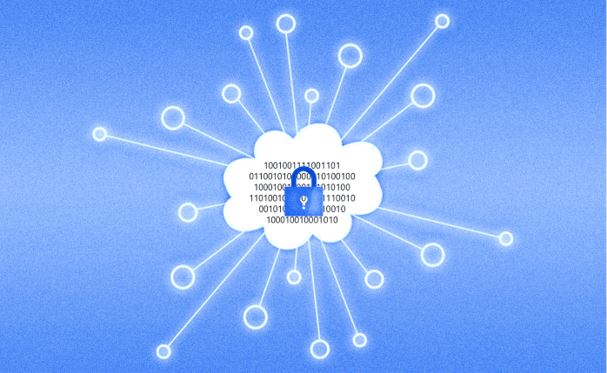
Cloud data privacy is the discipline of safeguarding personal and sensitive information stored in cloud environments from unauthorized access, misuse, or disclosure. It ensures that data stored in public, private, or hybrid clouds is accessible only by authorized users and used according to privacy expectations and legal requirements.
Cloud data privacy overlaps with cloud security but focuses specifically on privacy controls and legal compliance. While cloud security includes protection from hacking, malware, and infrastructure threats, data privacy ensures that personal and sensitive data is handled in a way that respects user rights.
Why Cloud Data Privacy Matters
1. Data Is Everywhere
Cloud platforms host massive amounts of data, including customer information, payment details, health records, and intellectual property. Ensuring this data remains private is critical to maintaining trust.
2. Increased Legal and Regulatory Pressure
Laws such as the General Data Protection Regulation (GDPR), California Consumer Privacy Act (CCPA), and industry‑specific regulations impose strict requirements on data privacy. Non‑compliance can lead to heavy fines and reputational damage.
3. Shared Infrastructure Raises Risks
Cloud environments often share resources among multiple tenants. Without proper privacy controls, sensitive data could be exposed due to misconfiguration, poor access control, or vulnerabilities.
4. Remote Work and Cloud Use
With remote work on the rise, employees access cloud resources from multiple locations and networks. This increases the attack surface and amplifies the importance of cloud data privacy.
Key Principles of Cloud Data Privacy
To ensure data privacy in the cloud, organizations must understand and implement core principles:
1. Data Minimization
Only collect and store the information that is truly required. Minimizing data reduces the amount of sensitive data at risk.
2. Data Ownership and Control
Organizations should maintain control over their data, including who can access it and how it’s used. This includes defining policies for retention, access rights, and data deletion.
3. Encryption
Encrypt data at rest and in transit. Encryption ensures that even if unauthorized access occurs, the data remains unreadable without decryption keys.
4. Access Management
Implement robust authentication and authorization mechanisms such as:
Multi‑Factor Authentication (MFA)
Role‑Based Access Control (RBAC)
Zero Trust Architecture
5. Audit and Monitoring
Continuously monitor user activity and access logs. Auditing enables detection of unauthorized behavior and compliance reporting.
6. Data Localization and Sovereignty
Some regulations require data to be stored within specific geographic regions. Organizations must understand where cloud providers store data and comply with local laws.
Cloud Data Privacy Challenges
Cloud environments introduce unique challenges:
1. Shared Responsibility Model
Cloud providers and users share responsibility for security and privacy. While providers secure infrastructure, customers are responsible for configuring privacy controls.
2. Misconfiguration
Human error, such as incorrectly configured storage buckets or access policies, is a leading cause of cloud data leaks.
3. Third‑Party Risk
Cloud services often integrate with third‑party tools or APIs. Each integration introduces potential privacy risks.
4. Complex Compliance Landscape
Different industries and regions have different data privacy regulations. Organizations operating globally must navigate multiple legal frameworks.
5. Visibility Limitations
In complex cloud ecosystems, maintaining visibility into data movement and access can be difficult without robust monitoring tools.
Cloud Data Privacy Best Practices
Here’s a practical guide to protect data privacy in cloud environments:
1. Choose the Right Cloud Deployment Model
Decide whether public, private, or hybrid cloud fits your privacy needs. For highly sensitive data, private cloud or hybrid approaches are often preferable.
2. Use Strong Encryption
Always encrypt:
Data at rest using strong encryption algorithms
Data in transit using TLS/SSL
Manage encryption keys securely, ideally using dedicated key management services.
3. Implement Identity and Access Controls
Strictly enforce:
Least privilege access
MFA for all users
Time‑based or context‑aware authentication
4. Automate Compliance
Use tools that automate compliance checks and generate audit reports to meet standards like GDPR, HIPAA, and CCPA.
5. Secure APIs and Integrations
Many modern applications depend on APIs. Protect APIs with proper authentication, authorization, and throttling to prevent misuse.
6. Monitor and Detect Anomalies
Employ SIEM (Security Information and Event Management) and UEBA (User and Entity Behavior Analytics) tools to detect unusual behavior.
7. Conduct Regular Audits
Perform frequent privacy impact assessments (PIAs) and penetration tests to identify vulnerabilities.
8. Train Employees
Employees often represent the weakest link. Provide regular privacy and security training to reduce human error.
Cloud Data Privacy
Regulatory Compliance and Cloud Data Privacy
Cloud data privacy cannot be separated from legal compliance. Two major regulatory frameworks include:
GDPR (General Data Protection Regulation)
Applies to organizations processing personal data of EU residents. Key requirements:
Data subject rights (access, erasure)
Explicit consent for data processing
Data protection impact assessments
Notification of breaches within 72 hours
CCPA (California Consumer Privacy Act)
Gives California residents:
Right to know what data is collected
Right to delete personal information
Right to opt out of the sale of their data
Organizations must implement cloud privacy controls that support regulatory rights and reporting.
Cloud Data Privacy
Cloud Service Provider Responsibility
Cloud vendors provide privacy tools and compliance certifications, but customers must:
Configure privacy settings
Apply encryption and access control
Ensure compliance with data residency requirements
Popular cloud providers such as AWS, Microsoft Azure, and Google Cloud offer built‑in tools for encryption, identity management, logging, and compliance reporting.
Cloud Data Privacy
Emerging Trends in Cloud Data Privacy
1. Privacy‑Enhancing Computation
Techniques like homomorphic encryption and secure multi‑party computation enable processing of data without exposing raw values.
2. Zero Trust Architecture
Zero Trust assumes no entity is trusted by default and enforces strict verification at every access request.
3. AI‑Driven Privacy Tools
Artificial intelligence is used to identify sensitive data, detect anomalies, and automate privacy compliance.
4. Data Clean Rooms
Secure environments where organizations can collaborate on data analytics without exposing raw data.
Cloud Data Privacy
Case Studies: Why Cloud Data Privacy Matters
1. Misconfigured Storage Buckets
Companies leaving cloud storage unprotected have exposed sensitive customer data, leading to reputational damage and financial loss.
2. Data Breach Fines
Non‑compliance with GDPR has resulted in heavy fines for companies that failed to protect user data adequately.
These cases highlight that cloud privacy is not just technical—it’s a business risk.
Cloud Data Privacy
Conclusion
Cloud data privacy is a critical component of modern digital strategy. As data becomes central to business operations, organizations must adopt proactive privacy practices to protect sensitive information, maintain customer trust, and comply with legal obligations.
By implementing strong encryption, access control, monitoring, and compliance automation, businesses can unlock the full potential of cloud computing without sacrificing data privacy. The future of cloud privacy lies in adaptive security, AI‑driven protection, and privacy‑centric design.