Cloud Provider Services
Cloud computing has reshaped how organizations build, deploy, and scale digital solutions. However, behind every successful cloud strategy lies a complex ecosystem of cloud provider services—the building blocks that enable innovation, resilience, and operational efficiency.
Cloud provider services go far beyond basic infrastructure or application hosting. They encompass a broad portfolio of technical, operational, and strategic services that support everything from software development and data analytics to security, automation, and global scalability.
This article delivers a deep, unique exploration of cloud provider services, examining how they are structured, how they create value, and why they have become central to modern digital economies.
What Is a Cloud Provider Services?
Cloud provider services refer to the full range of services offered by cloud vendors to support computing, storage, networking, application development, data management, security, and operations. These services are delivered over the internet and are designed to be scalable, on-demand, and consumption-based.
Rather than offering a single product, cloud providers deliver service portfolios that allow organizations to assemble customized cloud environments aligned with their technical and business objectives.
The Cloud Provider Service Ecosystem
Cloud provider services operate as interconnected layers rather than isolated offerings. This ecosystem typically includes:
Foundational services (compute, storage, networking)
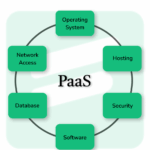
Platform-enabling services (databases, development tools)
Operational services (monitoring, automation, optimization)
Business and intelligence services (analytics, AI, integration)
Each layer enhances the value of the others, creating a cohesive cloud experience.
Core Categories of Cloud Provider Services
1. Compute Services
Compute services form the execution layer of the cloud. They allow applications and workloads to run without direct hardware management.
Key characteristics include:
Elastic scaling based on demand
Support for virtual machines, containers, and serverless execution
High availability across multiple regions
Performance optimization for diverse workloads
Compute services empower organizations to deploy applications faster and respond dynamically to usage changes.
2. Storage Services
Cloud storage services provide flexible and resilient data storage options tailored to different use cases.
Common storage capabilities include:
Object storage for unstructured data
Block storage for transactional workloads
File storage for shared access scenarios
Automated backup and archival services
Cloud provider storage services are designed for durability, accessibility, and long-term scalability.
3. Networking Services
Networking services enable secure, high-performance connectivity within cloud environments and between cloud and on-premises systems.
These services typically include:
Virtual networks and subnets
Load balancing and traffic management
Secure private connectivity
Content delivery optimization
Advanced networking services ensure low latency, high throughput, and robust security.
Platform-Level Cloud Provider Services
Database and Data Management Services
Modern cloud providers offer fully managed database services that eliminate the complexity of database administration.
Capabilities often include:
Automated provisioning and scaling
Built-in high availability
Data replication and recovery
Support for relational and non-relational models
These services allow teams to focus on data usage rather than maintenance.
Application Development Services
Cloud provider services support the entire application lifecycle, from development to deployment and monitoring.
Examples include:
Development frameworks and SDKs
Continuous integration and delivery pipelines
API management and integration services
Application performance monitoring
These services accelerate innovation and improve software quality.
Analytics and Data Processing Services
Cloud providers deliver powerful analytics services that transform raw data into actionable insights.
Key features include:
Real-time and batch data processing
Scalable data warehouses
Stream processing services
Visualization and reporting tools
Analytics services enable data-driven decision-making at scale.
Security as a Cloud Provider Service
Security is no longer an add-on—it is a core cloud provider service category.
Cloud security services typically include:
Identity and access management
Threat detection and prevention
Encryption and key management
Compliance monitoring and auditing
By embedding security into the platform, cloud providers reduce risk while maintaining agility.
Operational and Management Services
Monitoring and Observability Services
Cloud environments generate vast amounts of operational data. Cloud provider services help organizations interpret this data through:
Centralized logging
Performance metrics and dashboards
Distributed tracing
Predictive alerting
Observability services improve system reliability and user experience.
Automation and Orchestration Services
Automation is essential for managing large-scale cloud environments. Cloud provider services enable:
Infrastructure automation
Policy-based resource management
Automated scaling and recovery
Workflow orchestration
These services reduce manual effort and human error.
Cloud Provider Services and Business Agility
Cloud provider services directly impact organizational agility by:
Reducing time-to-market for new products
Supporting rapid experimentation
Enabling global expansion without physical infrastructure
Allowing flexible cost structures
Businesses can adapt faster to market changes using cloud services as strategic enablers.
Industry-Specific Cloud Provider Services
Many cloud providers now offer services tailored to specific industries, such as:
Healthcare data platforms
Financial transaction processing services
Manufacturing analytics and IoT platforms
Media content processing and delivery services
These specialized services accelerate adoption by addressing industry-specific requirements.
Economic Impact of Cloud Provider Services
Cloud provider services have reshaped IT economics by shifting from capital-intensive models to operational expenditure.
Key financial benefits include:
Pay-as-you-use pricing
Reduced upfront investment
Cost transparency and forecasting
Optimized resource utilization
This financial flexibility supports innovation and sustainable growth.
Challenges Addressed by Cloud Provider Services
Cloud provider services help organizations overcome challenges such as:
Infrastructure scalability limits
Skills shortages
Security complexity
Global availability requirements
Disaster recovery planning
By externalizing complexity, cloud providers enable organizations to focus on core competencies.
The Future of Cloud Provider
The next generation of cloud provider services is being shaped by emerging trends, including:
AI-driven cloud management
Autonomous infrastructure optimization
Edge-cloud convergence
Sustainability-focused cloud operations
Industry-native cloud platforms
These advancements will further expand the strategic role of cloud provider services.
Conclusion
Cloud provider services represent the operational and strategic foundation of modern digital transformation. By delivering scalable, secure, and intelligent services across computing, data, security, and operations, cloud providers empower organizations to innovate faster, operate more efficiently, and compete globally.
Understanding cloud provider services as an integrated ecosystem—rather than isolated technologies—is essential for any organization seeking long-term success in the cloud era.