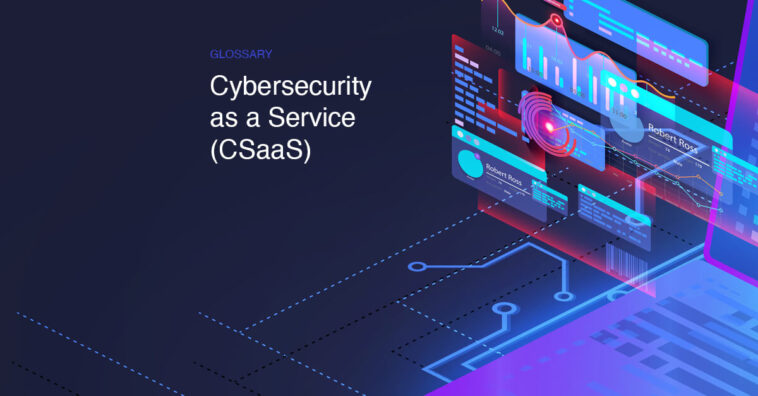
Cybersecurity as a Service (CSaaS): A Modern Approach to Digital Protection
As digital transformation accelerates, organizations face an unprecedented rise in cyber threats. From ransomware and phishing attacks to data breaches and insider threats, the cybersecurity landscape has become more complex and aggressive than ever before. Traditional, on-premises security solutions are often expensive, difficult to scale, and challenging to maintain. As a result, many organizations are turning to Cybersecurity as a Service (CSaaS) as a flexible and cost-effective alternative.
Cybersecurity as a Service delivers security tools, expertise, and monitoring capabilities through the cloud, allowing businesses to protect their digital assets without managing complex security infrastructure. This article explores what CSaaS is, how it works, its benefits, challenges, use cases, and why it has become a critical component of modern IT strategies.
What Is Cybersecurity as a Service (CSaaS)?
Cybersecurity as a Service (CSaaS) is a cloud-based security model in which organizations outsource part or all of their cybersecurity operations to a third-party provider. Instead of deploying and maintaining on-premises security tools, businesses access security services through subscription-based cloud platforms.
CSaaS providers deliver a wide range of security functions, including threat detection, monitoring, incident response, vulnerability management, and compliance support. These services are managed by cybersecurity experts and continuously updated to address emerging threats.
CSaaS aligns closely with other “as-a-service” models, such as Software as a Service (SaaS) and Infrastructure as a Service (IaaS), offering scalability, flexibility, and reduced operational complexity.
Why Cybersecurity as a Service Is Important
1. Growing Cyber Threats
Cyberattacks are increasing in frequency, sophistication, and impact. Organizations of all sizes are targets, not just large enterprises.
2. Shortage of Cybersecurity Talent
There is a global shortage of skilled cybersecurity professionals. CSaaS provides access to expert security teams without the need for in-house hiring.
3. Complexity of Modern IT Environments
Cloud computing, remote work, IoT, and mobile devices have expanded attack surfaces. CSaaS helps manage this complexity with centralized security controls.
4. Cost Efficiency
Building and maintaining a full in-house security operation is expensive. CSaaS offers predictable pricing and lower upfront costs.
Key Components of Cybersecurity as a Service
CSaaS typically includes a combination of the following services:
1. Threat Detection and Monitoring
Continuous monitoring of networks, systems, and applications to identify suspicious activities in real time.
2. Security Information and Event Management (SIEM)
Centralized collection and analysis of security logs to detect threats and support investigations.
3. Incident Response
Rapid response to security incidents, including containment, investigation, and recovery.
4. Vulnerability Management
Regular scanning and assessment of systems to identify and remediate security weaknesses.
5. Endpoint Protection
Protection of devices such as laptops, servers, and mobile devices from malware and unauthorized access.
6. Identity and Access Management (IAM)
Ensures that only authorized users can access systems and data, often using multi-factor authentication.
7. Compliance and Risk Management
Support for meeting regulatory requirements such as GDPR, HIPAA, and ISO standards.
How Cybersecurity as a Service Works
CSaaS operates through cloud-based platforms managed by specialized providers. The typical workflow includes:
Integration with the organization’s systems, networks, and cloud environments
Continuous monitoring of security events and data
Threat analysis using advanced analytics and threat intelligence
Alerting and reporting for suspicious or malicious activity
Incident response actions when threats are detected
Most CSaaS solutions are delivered through dashboards that provide real-time visibility into security posture and risks.
Benefits of Cybersecurity as a Service
1. Scalability
CSaaS scales easily with business growth, supporting new users, systems, and locations without major infrastructure changes.
2. Access to Expertise
Organizations gain access to experienced security professionals and the latest threat intelligence.
3. Faster Threat Detection
Advanced analytics and continuous monitoring enable faster identification and response to threats.
4. Reduced Operational Burden
IT teams can focus on core business activities while security operations are managed externally.
5. Cost Predictability
Subscription-based pricing reduces capital expenses and provides predictable operational costs.
6. Continuous Updates
CSaaS providers continuously update tools and defenses to counter new attack techniques.
Challenges and Limitations of CSaaS
Despite its advantages, Cybersecurity as a Service also presents challenges:
1. Data Privacy Concerns
Outsourcing security operations requires sharing sensitive data with third-party providers.
2. Vendor Dependence
Organizations may become reliant on a single provider, leading to potential vendor lock-in.
3. Integration Complexity
Integrating CSaaS with existing systems and workflows may require careful planning.
4. Shared Responsibility
Organizations remain responsible for security governance and policy enforcement, even when using CSaaS.
Cybersecurity as a Service vs Traditional Security
| Aspect | Traditional Security | CSaaS |
|---|---|---|
| Deployment | On-premises | Cloud-based |
| Cost Model | High upfront cost | Subscription-based |
| Scalability | Limited | Highly scalable |
| Expertise | In-house required | Provider-managed |
| Maintenance | Manual updates | Automatic updates |
CSaaS offers a more agile and modern approach, particularly suitable for dynamic and cloud-centric environments.
Use Cases for Cybersecurity as a Service
Small and Medium Businesses (SMBs)
SMBs often lack the budget and expertise for in-house security teams. CSaaS provides enterprise-grade protection at an affordable cost.
Cloud-First Organizations
Businesses operating primarily in the cloud benefit from CSaaS’s native integration with cloud platforms.
Remote and Hybrid Workforces
CSaaS secures remote access, endpoints, and cloud applications used by distributed teams.
Regulated Industries
Healthcare, finance, and government organizations use CSaaS to meet strict compliance and reporting requirements.
CSaaS and Cloud Computing
Cybersecurity as a Service plays a vital role in cloud security strategies. Cloud environments require security solutions that are:
Flexible
Automated
Scalable
Centrally managed
CSaaS complements cloud computing by securing workloads, data, and users across public, private, and hybrid clouds.
Emerging Trends in Cybersecurity as a Service
1. AI and Machine Learning
AI-driven CSaaS platforms detect patterns and anomalies faster than traditional tools.
2. Zero Trust Security
CSaaS increasingly adopts Zero Trust principles, verifying every user and device continuously.
3. Extended Detection and Response (XDR)
CSaaS providers integrate multiple security layers into unified detection and response platforms.
4. Automation and Orchestration
Automated incident response reduces reaction time and human error.
Choosing the Right CSaaS Provider
When selecting a Cybersecurity as a Service provider, organizations should consider:
Service coverage and capabilities
Compliance certifications
Transparency and reporting
Incident response readiness
Scalability and pricing
A clear service-level agreement (SLA) is essential to define responsibilities and expectations.
Conclusion
Cybersecurity as a Service has become a cornerstone of modern digital defense strategies. By delivering expert-managed, cloud-based security solutions, CSaaS enables organizations to protect their systems, data, and users against evolving cyber threats without the complexity of traditional security models.
As cyber risks continue to grow, adopting Cybersecurity as a Service is no longer a luxury—it is a strategic necessity. Organizations that embrace CSaaS gain resilience, agility, and confidence in an increasingly hostile digital environment.