Edge to Cloud Transformation Program: A Comprehensive Guide for Modern Enterprises
In the rapidly evolving world of digital technologies, organizations must transform their IT ecosystems to stay competitive. One of the most significant shifts in recent years has been the transition from traditional centralized architectures to distributed computing environments that leverage both edge computing and cloud computing. This transition is often structured through an edge to cloud transformation program, which enables enterprises to modernize their operations, accelerate innovation, and handle massive amounts of data with higher efficiency.
This article provides a full academic explanation of what an edge to cloud transformation program entails, its importance, key components, benefits, challenges, best practices, and real-world examples. It also includes SEO-friendly structure and internal keyword consistency for improved search visibility.
Edge to Cloud Transformation Program
What Is an Edge to Cloud Transformation Program?
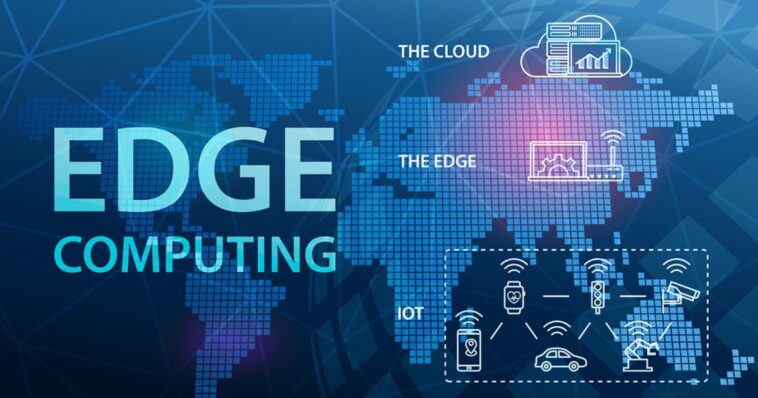
An edge to cloud transformation program is a strategic initiative that helps organizations integrate edge computing capabilities with cloud platforms to create a unified, scalable, and intelligent digital infrastructure.
Instead of relying solely on centralized cloud data centers, companies deploy computing resources closer to where data is generated—at the “edge”—while still maintaining full interoperability with cloud services.
The program provides:
A roadmap for migrating workloads
Optimization of data processing
Implementation of hybrid data pipelines
Modernization of applications
Adoption of automation and AI-powered analytics
The goal is to enable real-time decision-making, reduce latency, and improve performance across distributed environments.
Edge to Cloud Transformation Program
Why Edge to Cloud Transformation Matters
Modern enterprises generate enormous amounts of data from sensors, devices, applications, and users. Processing all of this data in the cloud alone can lead to latency issues, increased bandwidth consumption, and higher operational costs.
An edge to cloud transformation program solves these problems through:
1. Improved Real-Time Processing
Processing data close to the source allows organizations to act instantly—critical for industries like healthcare, manufacturing, energy, and logistics.
2. Enhanced Scalability
Cloud platforms offer virtually unlimited resources for long-term storage, analytics, and AI modeling.
3. Optimized Costs
By filtering and processing data at the edge, companies reduce bandwidth usage and cloud storage costs.
4. Increased Reliability
Decentralized architectures ensure that local operations continue even if the cloud connection is interrupted.
5. Enabling Modern Applications
Technologies like IoT, autonomous vehicles, AR/VR, and smart cities depend heavily on efficient edge-to-cloud ecosystems.
Edge to Cloud Transformation Program
Key Components of an Edge to Cloud Transformation Program
An effective transformation program includes several technical and strategic components:
1. Edge Infrastructure
This refers to the hardware and software deployed near data sources, such as:
Edge servers
IoT gateways
Embedded systems
Real-time data processing engines
Edge infrastructure handles immediate tasks like data filtering, transforming, and local analytics.
2. Cloud Platforms
The cloud hosts centralized workloads that require scale, reliability, and advanced analytics. Leading cloud providers include:
Amazon Web Services (AWS)
Microsoft Azure
Google Cloud Platform (GCP)
IBM Cloud
These platforms support machine learning, large-scale storage, serverless computing, and distributed databases.
3. Edge-to-Cloud Connectivity
A crucial component of the program is secure, low-latency communication between edge nodes and cloud environments.
Technologies enabling this include:
5G networks
Software-defined networking (SDN)
APIs and microservices
Secure tunnels and VPNs
4. Data Management Framework
Handling data across edge and cloud environments requires:
Data classification
Metadata management
Real-time streaming pipelines
Data governance and compliance
This ensures that the right data is processed in the right place.
5. Security and Zero-Trust Architecture
Security is fundamental in distributed ecosystems, which makes zero-trust frameworks essential. This includes:
Identity and access management (IAM)
Encryption in transit and at rest
Continuous monitoring
Automated threat detection
Secure device onboarding
6. Automation and Orchestration
Automation tools streamline operations across hybrid environments. Key components include:
Infrastructure as Code (IaC)
Container orchestration (Kubernetes)
Policy-based automation
Continuous Integration and Continuous Deployment (CI/CD) pipelines
7. Governance, Strategy, and KPIs
A transformation program typically includes a roadmap that defines:
Technology standards
Operational workflows
KPIs for performance, security, and cost
Roles and responsibilities
This ensures the program aligns with business objectives.
Edge to Cloud Transformation Program
How an Edge to Cloud Transformation Program Works
The transformation process typically follows several stages:
1. Assessment Phase
Organizations evaluate their current IT infrastructure, identify performance gaps, and define business goals for edge-to-cloud integration.
2. Design Phase
Architects develop a hybrid operating model, determine data processing layers, and define networking and security frameworks.
3. Deployment Phase
Edge devices, gateways, and cloud services are deployed. Applications may be containerized and migrated to microservices.
4. Integration Phase
Connectivity between edge nodes and the cloud is established. Data pipelines are built and optimized.
5. Optimization Phase
AI and automation are introduced to improve efficiency, reliability, and operational intelligence.
6. Scaling Phase
Once the program proves effective, organizations scale the architecture across additional sites and applications.
Edge to Cloud Transformation Program
Benefits of Implementing an Edge to Cloud Transformation Program
1. Faster Insights and Better Decisions
Processing data locally reduces latency, allowing businesses to make crucial decisions in milliseconds.
2. Higher Application Performance
Mission-critical applications such as robotics, industrial automation, and financial trading operate with improved responsiveness.
3. Lower Operational Costs
Reduced data transfers lead to lower bandwidth and cloud storage consumption.
4. Stronger Security and Compliance
Localized processing minimizes exposure of sensitive data. Cloud frameworks ensure compliance with standards like GDPR, HIPAA, and ISO.
5. Enhanced User Experiences
Digital services become more reliable and faster, improving customer satisfaction.
6. Business Continuity
Local operations continue even during internet outages or cloud disruptions.
Edge to Cloud Transformation Program
Challenges in Edge to Cloud Transformation
Despite the benefits, organizations may face several challenges:
1. Integration Complexity
Connecting thousands of distributed devices with cloud services requires robust architecture and skilled teams.
2. Data Governance
Managing sensitive data across multiple environments can be complex.
3. Security Risks
Edge devices often become targets for cyberattacks due to their physical exposure.
4. Talent Shortages
Edge-to-cloud systems require expertise in networking, cloud computing, AI, and cybersecurity—skills that may be scarce.
5. Cost of Modernization
Initial setup, especially hardware for edge processing, can be expensive.
Edge to Cloud Transformation Program
Best Practices for an Effective Edge to Cloud Transformation Program
1. Start with Clear Use Cases
Identify applications with the highest latency sensitivity or data processing needs.
2. Adopt a Zero-Trust Security Model
Secure every device, user, and connection.
3. Standardize Infrastructure
Use container platforms, APIs, and modular architectures to simplify scaling.
4. Automate Everything
Automation reduces errors, enhances speed, and ensures consistent operations.
5. Continuously Monitor Performance
Use analytics and observability tools to optimize data routing and resource allocation.
6. Partner with Reliable Cloud Providers
Choose providers with strong edge offerings such as AWS Outposts, Azure IoT Edge, and Google Distributed Cloud.
Edge to Cloud Transformation Program
Real-World Use Cases of Edge to Cloud Transformation
1. Smart Manufacturing
Factories use edge computing to monitor equipment, detect anomalies, and make instant adjustments, while cloud analytics optimize long-term processes.
2. Healthcare
Wearable devices and medical sensors analyze patient data on the edge while the cloud stores records and runs predictive models.
3. Retail and Supply Chain
Edge computing improves inventory tracking, automated checkout, and supply chain optimization.
4. Autonomous Vehicles
Vehicles process sensor data locally for real-time control while the cloud enhances navigation and global modeling.
5. Smart Cities
Traffic lights, surveillance cameras, and environmental sensors use edge analytics with cloud-based intelligence.
Edge to Cloud Transformation Program
Conclusion
An edge to cloud transformation program is essential for modern enterprises seeking to boost performance, reduce costs, and deliver real-time capabilities. By combining the speed of edge computing with the scalability of cloud platforms, organizations can create a resilient, intelligent ecosystem that supports innovation and long-term business growth.
As industries continue to evolve, adopting an edge-to-cloud strategy will be a critical step for staying competitive in the global digital landscape.