Infrastructure vs Platform vs Software as a Service: Understanding IaaS, PaaS, and SaaS
Cloud computing has introduced new ways for businesses and individuals to use technology without owning expensive hardware or managing complex systems. Instead of installing software or running physical servers, organizations now rely on cloud service models that deliver technology over the internet.
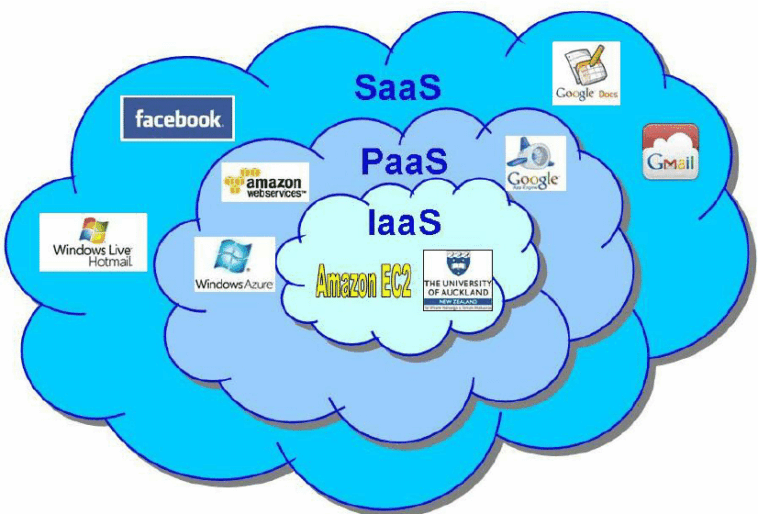
The three core cloud service models are:
Infrastructure as a Service (IaaS)
Platform as a Service (PaaS)
Software as a Service (SaaS)
Understanding the differences between these models is essential for choosing the right solution for your needs. This article explains each model in detail, compares them, and shows real-world examples of how they are used.
Infrastructure vs Platform vs Software as a Service
What Are Cloud Service Models?
Cloud service models define how much of the IT environment the provider manages and how much the customer controls.
Think of it like renting a place to live:
IaaS is like renting land and building your own house
PaaS is like renting a fully built apartment where you bring your furniture
SaaS is like staying in a hotel where everything is ready
Let’s explore each one.
Infrastructure vs Platform vs Software as a Service
Infrastructure vs Platform vs Software as a Service
1. Infrastructure as a Service (IaaS)
What Is IaaS?
Infrastructure as a Service (IaaS) provides virtualized computing resources over the internet. This includes servers, storage, networking, and virtualization.
The cloud provider manages the physical hardware, while the customer manages the operating systems, applications, and data.
What the Provider Manages
Physical servers
Storage hardware
Networking equipment
Virtualization layer
What the Customer Manages
Operating systems
Applications
Middleware
Data
Security configurations
Examples of IaaS Providers
Amazon Web Services (EC2, S3)
Microsoft Azure Virtual Machines
Google Compute Engine
IBM Cloud Infrastructure
Use Cases
Hosting websites and web apps
Running enterprise software
Disaster recovery systems
Development and testing environments
Benefits of IaaS
High flexibility and control
Scalable resources
No hardware investment
Challenges
Requires technical expertise
Customer responsible for system maintenance
Infrastructure vs Platform vs Software as a Service
2. Platform as a Service (PaaS)
What Is PaaS?
Platform as a Service (PaaS) provides a ready-made environment for developers to build, test, and deploy applications. The provider manages the infrastructure and operating systems, while customers focus on their applications and data.
What the Provider Manages
Infrastructure
Operating systems
Runtime environment
Middleware
Development tools
What the Customer Manages
Applications
Data
Examples of PaaS Providers
Google App Engine
Microsoft Azure App Service
Heroku
AWS Elastic Beanstalk
Use Cases
Web and mobile app development
API development
Rapid prototyping
Microservices deployment
Benefits of PaaS
Faster development
No need to manage servers
Built-in scalability
Challenges
Less control over environment
Possible vendor lock-in
3. Software as a Service (SaaS)
What Is SaaS?
Software as a Service (SaaS) delivers ready-to-use software applications over the internet. The provider manages everything, and users simply log in and use the software.
What the Provider Manages
Infrastructure
Platform
Applications
Security
Updates
What the Customer Manages
Data
User settings
Examples of SaaS Applications
Google Workspace
Microsoft 365
Salesforce
Dropbox
Zoom
Use Cases
Email and communication
Customer relationship management
Accounting and finance
File storage
Benefits of SaaS
Easy to use
No technical setup required
Accessible from anywhere
Challenges
Limited customization
Less control over data storage
Infrastructure vs Platform vs Software as a Service
Key Differences Between IaaS, PaaS, and SaaS
| Feature | IaaS | PaaS | SaaS |
|---|---|---|---|
| Control Level | High | Medium | Low |
| Technical Skill Needed | Advanced | Moderate | Basic |
| Provider Manages | Hardware | Hardware + Platform | Everything |
| Customer Manages | OS, apps, data | Apps, data | Only data |
| Flexibility | Very High | High | Limited |
| Setup Time | Longer | Moderate | Immediate |
Real-World Scenario Comparison
Imagine a company launching an online store.
Using IaaS
The company rents virtual servers, installs an operating system, sets up a database, and deploys its custom e-commerce application.
Using PaaS
The company uses a cloud platform that already includes a database and runtime environment. Developers upload their code, and the platform handles scaling.
Using SaaS
The company subscribes to Shopify, chooses a template, adds products, and starts selling without technical setup.
Each model serves a different need and skill level.
When to Choose IaaS
IaaS is ideal when:
You need full control over the environment
You are running custom or legacy applications
You have a skilled IT team
You require flexible infrastructure
Infrastructure vs Platform vs Software as a Service
When to Choose PaaS
PaaS works best when:
You are developing new applications
You want to focus on coding instead of infrastructure
You need faster time to market
Your team wants built-in development tools
When to Choose SaaS
SaaS is the right choice when:
You need ready-made software
You want minimal setup
Your team has limited technical expertise
You want predictable subscription costs
Infrastructure vs Platform vs Software as a Service
Cost Comparison
| Cost Factor | IaaS | PaaS | SaaS |
|---|---|---|---|
| Upfront Cost | Low | Low | Very Low |
| Ongoing Cost | Usage-based | Subscription | Subscription |
| Maintenance Cost | Customer | Provider | Provider |
SaaS is usually the simplest, while IaaS offers the most customization but may require higher management effort.
Infrastructure vs Platform vs Software as a Service
Security Responsibilities
Cloud security follows a shared responsibility model.
In IaaS, customers secure operating systems and applications
In PaaS, customers secure their applications and data
In SaaS, providers handle most security, but users must protect accounts and data
How Businesses Combine All Three
Many organizations use a mix of all three models.
Example:
IaaS for hosting internal systems
PaaS for developing new apps
SaaS for email and collaboration
This hybrid approach allows businesses to balance flexibility, cost, and convenience.
Infrastructure vs Platform vs Software as a Service
Future of Cloud Service Models
Cloud service models continue to evolve with:
Serverless computing (an extension of PaaS)
AI-powered SaaS tools
More automation in IaaS management
Better integration between services
The lines between models are becoming more flexible, but the core differences remain important.
Infrastructure vs Platform vs Software as a Service
Conclusion
Infrastructure as a Service, Platform as a Service, and Software as a Service represent three levels of cloud computing that differ in control, responsibility, and ease of use.
IaaS offers the most flexibility and control but requires technical expertise
PaaS simplifies development by managing infrastructure
SaaS provides ready-to-use applications with minimal effort
Choosing the right model depends on your business goals, technical capabilities, and the level of control you need. Understanding these differences helps organizations make smarter decisions and fully benefit from the power of cloud computing.