Multi-Cloud Management Best Practices
Multi-Cloud Management Best Practices
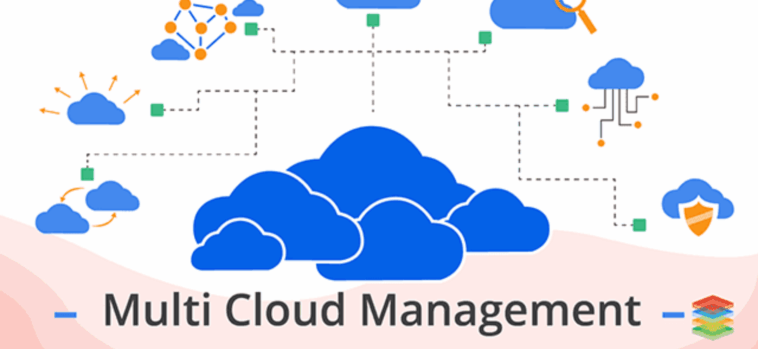
Enterprises increasingly adopt multi-cloud strategies to leverage the strengths of different cloud providers, improve redundancy, and prevent vendor lock-in. However, managing multiple cloud environments introduces complexity, from security and compliance challenges to cost management and performance monitoring.
Organizations in the United States, Europe, Australia, India, and Singapore face unique challenges when orchestrating workloads across AWS, Azure, GCP, and private cloud environments. Effective multi-cloud management ensures optimal performance, security, and cost-efficiency while supporting business growth.
This article outlines multi-cloud management best practices, tools, and real-world examples to help enterprises succeed in 2025.
Multi-Cloud Management Best Practices
Define a Multi-Cloud Strategy
Key Steps
Identify business objectives for using multiple clouds
Determine which workloads are best suited for each cloud provider
Establish policies for cloud selection based on performance, compliance, and cost
Example: A US fintech firm evaluated AWS for analytics, Azure for enterprise applications, and GCP for AI workloads, aligning cloud selection with specific business needs.
Multi-Cloud Management Best Practices
Centralize Monitoring and Management
Managing multiple clouds without central oversight can lead to gaps in visibility.
Best Practices
Use unified dashboards for performance, cost, and security metrics
Implement multi-cloud monitoring tools (e.g., Datadog, CloudHealth, Dynatrace)
Set alerts for anomalies or resource misconfigurations
Example: An Australian e-commerce company implemented Datadog to monitor AWS, Azure, and GCP workloads, enabling real-time insights and proactive management.
Multi-Cloud Management Best Practices
Optimize Costs Across Clouds
Cost management is crucial in multi-cloud environments.
Strategies
Track usage and billing across all cloud providers
Right-size resources based on workload demand
Leverage reserved or spot instances for predictable workloads
Example: A Singaporean logistics startup analyzed its cloud spending and moved batch processing to GCP Spot Instances, achieving 35% cost savings.
Multi-Cloud Management Best Practices
Ensure Security and Compliance
Multi-cloud environments increase the attack surface and compliance challenges.
Best Practices
Apply consistent IAM policies across all clouds
Encrypt data in transit and at rest
Regularly audit compliance with GDPR, HIPAA, ISO 27001, or local regulations
Use SIEM tools to monitor security events across clouds
Example: An Indian IT services company implemented centralized logging and monitoring across AWS, Azure, and private cloud, detecting misconfigurations before they led to breaches.
Multi-Cloud Management Best Practices
Use Automation and Orchestration
Automation reduces operational complexity in multi-cloud setups.
Benefits
Deploy workloads consistently across clouds
Automate scaling, patching, and resource provisioning
Reduce human error and operational overhead
Tools for Multi-Cloud Automation:
Terraform: Manage infrastructure as code across multiple clouds
Kubernetes: Orchestrate containerized applications across platforms
Ansible: Automate configuration management and deployment
Example: A US SaaS company used Terraform and Kubernetes to deploy microservices across AWS and GCP, ensuring consistency and faster deployment times.
Multi-Cloud Management Best Practices
Monitor Performance and Latency
Multi-cloud environments can suffer from latency or degraded performance if not monitored closely.
Best Practices
Use performance monitoring tools to track metrics across providers
Implement content delivery networks (CDN) to reduce latency
Optimize network architecture and data flows between clouds
Example: A European media company used AWS CloudFront and GCP’s CDN services to deliver content globally, reducing latency and improving user experience.
Multi-Cloud Management Best Practices
Develop Governance Policies
Governance ensures operational efficiency, cost control, and compliance in multi-cloud setups.
Recommendations
Define standards for resource provisioning and de-provisioning
Set approval processes for high-cost deployments
Conduct regular audits and performance reviews
Example: An Australian healthcare provider implemented strict multi-cloud governance policies, reducing overspending and ensuring compliance with healthcare regulations.
Multi-Cloud Management Best Practices
Foster Team Collaboration and Skill Development
Successful multi-cloud management relies on skilled teams.
Best Practices
Train teams on multi-cloud technologies and management tools
Encourage collaboration between DevOps, IT, and security teams
Establish clear roles and responsibilities for cloud management
Example: A Singaporean fintech startup held monthly multi-cloud workshops, improving collaboration and reducing configuration errors across AWS and Azure.
Multi-Cloud Management Best Practices
Conclusion:
Multi-cloud management provides enterprises flexibility, redundancy, and the ability to leverage best-of-breed services. By defining a clear strategy, centralizing monitoring, optimizing costs, ensuring security and compliance, leveraging automation, monitoring performance, and fostering team skills, organizations in the US, EU, AU, IN, and SG can successfully manage complex multi-cloud environments in 2025.
Explore multi-cloud management strategies, tools, and case studies at CloudComputingGate.com