SaaS Meaning: Software as a Service in Cloud Computing
In today’s digital world, businesses and individuals rely heavily on cloud-based tools to work, collaborate, and manage data. One of the most popular and transformative cloud computing models is SaaS, short for Software as a Service. But what exactly does SaaS mean, and why has it become the dominant way software is delivered?
Understanding the SaaS meaning is essential for business owners, IT professionals, students, and anyone interested in modern technology. SaaS has changed how companies purchase software, how users access applications, and how organizations scale their operations.
In this comprehensive guide, we will explore the meaning of SaaS, how it works, its benefits, real-world examples, security considerations, and why it continues to shape the future of cloud computing.
SaaS Meaning
What is SaaS Meaning?
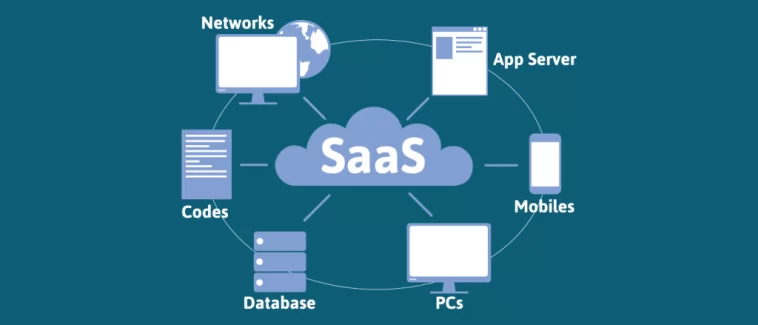
SaaS (Software as a Service) is a cloud computing model where software applications are delivered over the internet instead of being installed on local computers or servers. Users access the software through a web browser, while the service provider manages the infrastructure, security, maintenance, and updates.
In simple terms, SaaS means:
You use software online without worrying about installation, maintenance, or hardware.
The SaaS provider hosts the application in the cloud and makes it available to customers on a subscription or pay-as-you-go basis.
SaaS Meaning
How SaaS Works
To better understand the SaaS meaning, it helps to look at how it works behind the scenes.
Cloud Hosting
The SaaS application runs on servers in a cloud data center managed by the provider.Internet Access
Users access the software through a web browser or app using an internet connection.Subscription Model
Customers typically pay monthly or yearly subscription fees instead of buying a one-time license.Centralized Updates
The provider updates the software automatically, so users always have the latest version.Multi-Tenant Architecture
A single instance of the software serves multiple customers securely, reducing costs and improving scalability.
SaaS Meaning
Key Characteristics of SaaS
1. Web-Based Access
SaaS applications are accessible from anywhere using a browser.
2. No Local Installation
There’s no need to install or maintain software on individual devices.
3. Automatic Updates
Users don’t need to download patches or updates.
4. Subscription Pricing
Flexible pricing allows organizations to scale usage up or down.
5. Managed Infrastructure
The SaaS provider handles servers, storage, and networking.
SaaS vs Traditional Software
| Feature | Traditional Software | SaaS |
|---|---|---|
| Installation | Required on each device | Not required |
| Maintenance | Managed by user | Managed by provider |
| Cost | Large upfront license fee | Subscription-based |
| Updates | Manual | Automatic |
| Accessibility | Device-specific | Anywhere with internet |
This comparison clearly shows why SaaS has become the preferred choice for modern businesses.
Examples of SaaS Applications
To fully understand SaaS meaning, let’s explore common examples used daily.
1. Google Workspace
Includes Gmail, Google Docs, and Google Drive.
2. Microsoft 365
Cloud-based versions of Word, Excel, PowerPoint, and Outlook.
3. Salesforce
A leading customer relationship management (CRM) platform.
4. Zoom
Video conferencing software delivered through the cloud.
5. Dropbox
Cloud storage and file sharing service.
All these applications are accessed via the internet and maintained by the provider.
Benefits of SaaS
1. Cost Savings
No need for expensive hardware or software licenses.
2. Easy Scalability
Add or remove users based on business needs.
3. Accessibility
Work from anywhere, on any device.
4. Faster Deployment
Start using the software immediately.
5. Automatic Maintenance
No IT team required for updates and patches.
6. Collaboration
Teams can work together in real time.
SaaS for Businesses
SaaS is especially beneficial for businesses of all sizes.
Small Businesses
Affordable tools without needing a large IT team.
Enterprises
Scalable solutions that support thousands of users.
Startups
Quick setup and low upfront costs enable rapid innovation.
SaaS Meaning
SaaS Security and Data Protection
Because SaaS applications store data in the cloud, security is a top concern.
Common SaaS Security Measures:
Data encryption (at rest and in transit)
Multi-factor authentication
Regular security audits
Compliance with standards like GDPR and ISO 27001
Reputable SaaS providers invest heavily in security, often more than individual companies can afford.
SaaS Meaning
SaaS Challenges
Despite its advantages, SaaS also has challenges.
1. Internet Dependence
No internet means no access.
2. Data Privacy Concerns
Businesses must trust providers with sensitive data.
3. Limited Customization
Some SaaS tools offer less flexibility than self-hosted software.
4. Subscription Costs Over Time
Long-term subscriptions may exceed one-time software costs.
SaaS Meaning
SaaS vs PaaS vs IaaS
SaaS is one of three major cloud service models.
| Model | What It Provides | User Responsibility |
|---|---|---|
| SaaS | Ready-to-use software | Only usage |
| PaaS | Development platform | Applications & data |
| IaaS | Virtual infrastructure | OS, apps, security |
SaaS is the easiest to use but offers the least control over infrastructure.
Industries Using SaaS
SaaS is used across many industries:
Education (online learning platforms)
Healthcare (patient management systems)
Finance (accounting software)
Retail (e-commerce platforms)
Marketing (email automation tools)
SaaS Meaning
Future of SaaS
The SaaS market continues to grow rapidly. Future trends include:
AI Integration
SaaS tools increasingly include artificial intelligence features.
Vertical SaaS
Industry-specific SaaS solutions tailored for niche markets.
Mobile-First SaaS
Optimized applications for smartphones and tablets.
Increased Security Automation
Advanced monitoring and threat detection.
SaaS Meaning
Why SaaS Is Dominating the Software Industry
SaaS removes the complexity of traditional software management. Companies can focus on their business instead of IT maintenance. The combination of convenience, scalability, and cost efficiency makes SaaS the preferred model worldwide.
SaaS Meaning
Conclusion
Understanding the SaaS meaning is essential in the era of cloud computing. Software as a Service allows users to access powerful applications online without worrying about installation, maintenance, or infrastructure.
From productivity tools and collaboration platforms to CRM systems and cloud storage, SaaS has transformed how software is delivered and consumed. Its flexibility, affordability, and ease of use make it ideal for individuals, startups, and large enterprises alike.
As technology evolves, SaaS will continue to lead the future of software, powered by cloud infrastructure, artificial intelligence, and global connectivity.