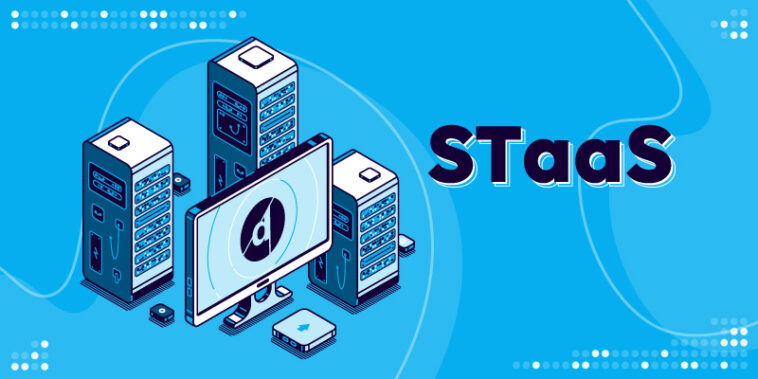
Storage as a Service (STaaS): Revolutionizing Data Management in the Cloud
In today’s digital era, organizations are generating unprecedented volumes of data every day. From emails, databases, and business applications to multimedia files and analytics, the need for scalable, flexible, and cost-effective storage solutions has never been greater. Traditional on-premises storage systems often struggle to keep pace with this growth, leading to high costs, complex management, and limited scalability. This is where storage as a service (STaaS) comes into play, offering a cloud-based solution that transforms the way businesses manage their data. In this article, we will explore the concept of STaaS, its advantages, challenges, applications, and future trends, providing a comprehensive understanding for businesses and IT professionals alike.
Understanding Storage as a Service (STaaS)
Storage as a service (STaaS) is a cloud computing model in which data storage resources are provided and managed by a third-party service provider over the internet. Instead of investing in expensive hardware and maintaining data centers, organizations can rent storage capacity on-demand, paying only for what they use. This model enables businesses to scale their storage resources up or down based on current needs, eliminating the inefficiencies and costs associated with traditional storage solutions.
STaaS is often part of a broader cloud service ecosystem, alongside Software as a Service (SaaS) and Infrastructure as a Service (IaaS). While IaaS provides the underlying computing infrastructure and SaaS offers ready-to-use applications, STaaS focuses specifically on the storage component, delivering highly reliable, secure, and easily accessible storage solutions.
Key Features of Storage as a Service (STaaS)
Several features distinguish STaaS from traditional storage methods, making it an attractive option for businesses:
Scalability: STaaS allows organizations to easily increase or decrease storage capacity without the need for physical hardware upgrades. This elasticity is crucial for businesses experiencing rapid data growth.
Pay-as-You-Go Pricing: Unlike traditional storage systems that require upfront capital investment, STaaS follows a subscription-based model. Companies only pay for the storage they consume, making it cost-effective and budget-friendly.
Accessibility: Data stored in STaaS solutions can be accessed from anywhere with an internet connection, enabling remote work, collaboration, and global business operations.
Data Security and Compliance: Reputable STaaS providers offer robust security measures, including encryption, access controls, and regular audits. Many providers also ensure compliance with regulations such as GDPR, HIPAA, and SOC 2.
Automated Management: STaaS often includes features such as automated backups, replication, and disaster recovery, reducing the administrative burden on IT teams and minimizing the risk of data loss.
Advantages of Storage as a Service (STaaS)
The adoption of storage as a service (STaaS) offers several significant advantages for businesses, both operationally and financially.
1. Cost Efficiency
One of the most compelling reasons for adopting STaaS is cost efficiency. Traditional storage solutions require large upfront capital expenditures for hardware, software, and maintenance. In contrast, STaaS follows a subscription-based or pay-as-you-go model, allowing organizations to convert capital expenses into operational expenses. This financial flexibility is especially valuable for startups, small businesses, and companies with fluctuating storage needs.
2. Simplified IT Management
Managing on-premises storage can be complex, requiring dedicated IT personnel, routine maintenance, and frequent upgrades. STaaS providers handle infrastructure management, updates, and troubleshooting, freeing IT teams to focus on strategic initiatives rather than routine maintenance.
3. High Availability and Reliability
STaaS solutions are designed to ensure high availability, often featuring redundant storage across multiple data centers. This redundancy protects against hardware failures and minimizes downtime, ensuring that critical business data remains accessible at all times.
4. Enhanced Data Security
Data breaches and cyberattacks are growing threats in today’s digital landscape. STaaS providers implement advanced security measures such as end-to-end encryption, multi-factor authentication, and intrusion detection systems. These features safeguard sensitive data and give organizations confidence in the security of their information.
5. Flexibility and Scalability
The scalability of STaaS allows organizations to adjust storage resources according to demand. For instance, during periods of high data generation, businesses can quickly expand storage capacity without delays or costly hardware purchases. Conversely, unused storage can be reduced to save costs.
6. Disaster Recovery and Business Continuity
STaaS solutions often include automated backup and disaster recovery options. In the event of a system failure, natural disaster, or ransomware attack, organizations can quickly restore data from cloud storage, ensuring minimal disruption to operations and safeguarding business continuity.
Challenges of Storage as a Service (STaaS)
While storage as a service (STaaS) offers numerous benefits, organizations must also consider certain challenges associated with cloud storage adoption.
1. Data Security and Privacy Concerns
Although STaaS providers implement robust security measures, storing sensitive data in the cloud still carries potential risks. Data breaches, unauthorized access, or insider threats can compromise information. Organizations must carefully evaluate providers’ security protocols, encryption standards, and compliance certifications before adoption.
2. Dependence on Internet Connectivity
Since STaaS relies on cloud infrastructure, access to data depends on internet connectivity. Slow or unreliable internet connections can lead to latency issues, delays in data retrieval, and potential disruptions in business operations.
3. Vendor Lock-In
Switching between STaaS providers can be challenging due to differences in platforms, APIs, and storage architectures. Vendor lock-in can limit flexibility and increase costs if an organization decides to migrate its data to another provider.
4. Compliance Challenges
Organizations in regulated industries must ensure that STaaS providers comply with relevant data protection laws. Failure to meet compliance requirements can result in legal penalties and reputational damage. Companies must carefully review contracts and service-level agreements (SLAs) to ensure regulatory alignment.
5. Performance Variability
Cloud storage performance can vary depending on provider infrastructure, network conditions, and storage type. Applications requiring high-speed access to large datasets may experience latency issues, impacting productivity.
Applications of Storage as a Service (STaaS)
Storage as a service (STaaS) is widely used across industries and business functions. Its applications include:
Enterprise Data Backup: Companies use STaaS to store backups of critical systems, reducing the risk of data loss.
Big Data Analytics: STaaS provides scalable storage for large datasets required for analytics, AI, and machine learning applications.
Content Management: Media companies and digital agencies leverage STaaS to store and distribute multimedia content efficiently.
Disaster Recovery Solutions: STaaS is integral to business continuity strategies, enabling rapid recovery in case of failures or cyberattacks.
Remote Work Enablement: Cloud storage allows employees to access files from anywhere, facilitating collaboration across geographically dispersed teams.
Future Trends in Storage as a Service (STaaS)
The future of storage as a service (STaaS) is shaped by advancements in cloud technology, security, and AI-driven management. Key trends include:
Intelligent Storage Management: AI and machine learning will optimize storage allocation, predict failures, and automate data tiering to reduce costs and enhance performance.
Integration with Hybrid and Multi-Cloud Environments: Organizations are increasingly adopting hybrid and multi-cloud strategies, requiring STaaS providers to support seamless integration across platforms.
Edge Storage Solutions: With the rise of IoT and edge computing, STaaS will evolve to provide decentralized storage closer to the data source, improving speed and reducing latency.
Enhanced Security Protocols: Advanced encryption, zero-trust models, and confidential computing will strengthen cloud storage security.
Sustainability Initiatives: Energy-efficient data centers and green storage solutions will become a key focus as businesses seek environmentally responsible cloud options.
Conclusion
Storage as a service (STaaS) is transforming the way organizations manage and access data in the cloud. By providing scalable, secure, and cost-effective storage solutions, STaaS enables businesses to focus on innovation rather than infrastructure management. Its advantages, including cost efficiency, simplified IT management, high availability, data security, and disaster recovery, make it a compelling option for organizations of all sizes.
However, businesses must carefully navigate challenges such as data security risks, internet dependency, vendor lock-in, compliance issues, and performance variability. By selecting reputable providers, implementing best practices, and aligning storage strategies with business objectives, organizations can fully leverage the benefits of STaaS while minimizing potential risks.
As cloud technology continues to advance, storage as a service (STaaS) will remain a critical component of modern IT infrastructure, supporting the growing demands of data-driven businesses, enhancing operational efficiency, and shaping the future of digital storage.