Virtual Desktop Solutions for Education
The education sector has witnessed a remarkable transformation over the past decade, with technology playing a pivotal role in shaping how students learn and educators teach. One of the most significant advancements in educational technology is the adoption of virtual desktop solutions. These solutions provide students and educators with a flexible, secure, and efficient way to access computing resources from anywhere, enabling a more dynamic and interactive learning experience.
Virtual desktop solutions, also known as Virtual Desktop Infrastructure (VDI), allow users to access a complete desktop environment hosted on a centralized server rather than on local machines. This paradigm shift has opened new possibilities for schools, colleges, and universities seeking to modernize their IT infrastructure while improving accessibility, security, and cost efficiency.
Virtual Desktop Solutions for Education
Understanding Virtual Desktop Solutions
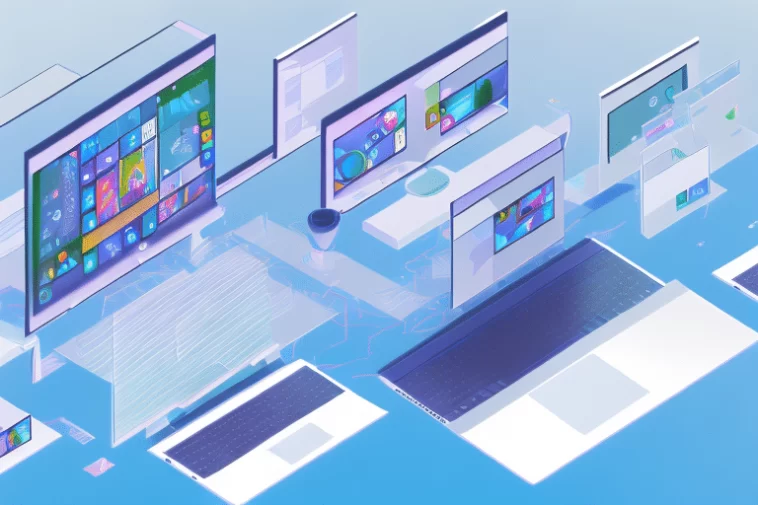
A virtual desktop solution delivers a desktop operating system and applications to end-users over the network. Instead of installing software and storing files on individual computers, all resources reside on centralized servers in the data center or cloud. Users connect to their virtual desktops via thin clients, laptops, tablets, or even smartphones.
Virtual Desktop Solutions for Education
Key Components of Virtual Desktop Solutions
Centralized Servers: The core infrastructure where operating systems, applications, and data are hosted.
Hypervisors: Software that enables multiple virtual desktops to run on a single physical server.
Client Devices: The devices students and educators use to access their virtual desktops.
Management Tools: Platforms that monitor performance, deploy updates, and manage user access efficiently.
By centralizing desktops, educational institutions can streamline IT management, reduce hardware costs, and ensure that all students and staff have access to the same computing environment.
Virtual Desktop Solutions for Education
Advantages of Virtual Desktop Solutions for Education
1. Accessibility and Flexibility
One of the most significant benefits of virtual desktop solutions for education is accessibility. Students and educators can access their desktops from any location with an internet connection. This flexibility is particularly valuable for remote learning, online courses, and hybrid education models.
Students can work on assignments from home or school without worrying about software compatibility.
Teachers can access teaching resources, grading tools, and virtual labs from multiple devices.
2. Cost Efficiency
Implementing virtual desktops can significantly reduce IT costs in educational institutions:
Reduced Hardware Costs: Schools no longer need to invest in high-end PCs for every student; even low-spec devices can serve as clients.
Lower Maintenance Expenses: Centralized management reduces the need for individual device maintenance, software updates, and troubleshooting.
Energy Savings: Virtual desktops consume less energy compared to traditional desktop setups, contributing to sustainability goals.
3. Enhanced Security
Security is a critical concern in educational institutions, as sensitive data such as student records, research, and administrative information must be protected. Virtual desktop solutions improve security by:
Centralizing data storage, minimizing the risk of data loss from stolen or damaged devices.
Enforcing consistent security policies across all virtual desktops.
Using encryption and secure connections to protect data in transit.
4. Simplified IT Management
Managing hundreds or thousands of devices in a school environment can be challenging. Virtual desktop solutions streamline IT operations:
Administrators can deploy software updates and patches centrally.
New virtual desktops can be provisioned quickly for new students or faculty.
IT teams can monitor performance and usage patterns in real-time, preventing downtime and ensuring smooth operations.
5. Scalability
As educational institutions grow or adapt to changing demands, virtual desktops provide scalable solutions. Whether a school wants to accommodate a surge of students in a hybrid learning program or integrate new applications, scaling virtual desktops is easier than upgrading physical hardware.
Use Cases of Virtual Desktop Solutions for Education
1. Distance Learning
The rise of online education and hybrid learning models has highlighted the importance of accessible and reliable computing resources. Virtual desktops allow students to access their course materials, applications, and collaborative tools without being on campus.
2. Computer Labs without Boundaries
Traditional computer labs require students to physically access the lab, limiting flexibility. Virtual desktop solutions enable “virtual labs” where students can perform simulations, programming tasks, or data analysis from anywhere, ensuring uninterrupted learning.
3. Standardized Learning Environment
Virtual desktops provide a consistent computing environment for all students:
Pre-installed applications ensure that every student uses the same tools.
Teachers can deliver assignments knowing all students have access to identical software configurations.
Reduces compatibility issues and enhances collaborative projects.
4. Resource-Intensive Applications
Many educational programs require resource-heavy applications, such as CAD software, video editing tools, or scientific simulations. Running these applications on individual student devices can be expensive and impractical. Virtual desktops allow high-performance applications to run on centralized servers, making them accessible even on low-spec devices.
5. Security for BYOD Programs
Bring Your Own Device (BYOD) programs are becoming increasingly popular in schools. Virtual desktop solutions allow students to use their own laptops or tablets while keeping institutional data secure in the cloud. This approach balances flexibility with data protection.
Virtual Desktop Solutions for Education
Popular Virtual Desktop Solutions for Education
Several vendors offer robust virtual desktop solutions tailored for the education sector:
VMware Horizon: Provides a scalable VDI platform with features such as virtual labs, remote access, and centralized management.
Citrix Virtual Apps and Desktops: Offers secure, high-performance virtual desktops for students and staff, with comprehensive management tools.
Microsoft Windows Virtual Desktop (Azure Virtual Desktop): A cloud-based solution that integrates seamlessly with Microsoft 365 and other educational applications.
Amazon WorkSpaces: AWS’s virtual desktop solution allows institutions to deploy desktops in the cloud with pay-as-you-go pricing.
These platforms provide flexibility, scalability, and integration with existing educational tools, making them ideal for modern learning environments.
Virtual Desktop Solutions for Education
Challenges of Implementing Virtual Desktop Solutions
While virtual desktops offer numerous advantages, educational institutions must consider potential challenges:
Internet Dependence: A reliable internet connection is crucial; network disruptions can hinder access.
Initial Setup Costs: Although long-term savings are significant, initial investment in servers, storage, and software can be high.
User Training: Teachers and students may require training to navigate virtual desktops efficiently.
Licensing Complexity: Managing software licenses in virtual environments can be challenging, especially with specialized educational software.
Addressing these challenges requires careful planning, robust IT support, and strategic vendor partnerships.
Virtual Desktop Solutions for Education
Future Trends in Virtual Desktop Solutions for Education
The future of virtual desktop solutions in education is promising, with emerging trends shaping the way learning experiences are delivered:
Cloud-Native Virtual Desktops: Fully cloud-based desktops reduce the need for on-premises infrastructure.
AI and Machine Learning Integration: Personalized learning experiences can be created based on user behavior and learning patterns.
Edge Computing for Virtual Desktops: Reducing latency for remote students by processing data closer to the user’s location.
Gamification and Virtual Labs: Interactive simulations and gamified learning platforms enhance engagement through virtual desktops.
These advancements will continue to expand the possibilities for educators and learners, creating more inclusive and engaging learning environments.
Virtual Desktop Solutions for Education
Conclusion
Virtual desktop solutions have emerged as a transformative technology in the education sector, providing flexibility, security, cost efficiency, and scalability. By centralizing resources and enabling remote access, educational institutions can create consistent, accessible, and high-performance computing environments for students and educators alike.
From distance learning and virtual labs to supporting BYOD initiatives and resource-intensive applications, the impact of virtual desktops on modern education is profound. While challenges such as internet dependence and setup costs exist, the long-term benefits far outweigh these obstacles.
As educational institutions continue to adopt digital strategies, virtual desktop solutions will play a crucial role in shaping the future of learning, making education more accessible, interactive, and technologically advanced.
In a world where learning is no longer confined to classrooms, virtual desktops ensure that students and educators can connect, collaborate, and thrive in a seamless digital environment.
Virtual Desktop Solutions for Education