
What Is AI in Cloud Computing?
Artificial Intelligence (AI) and cloud computing are two of the most transformative technologies of the modern digital era. When combined, they create a powerful ecosystem that enables businesses, developers, and governments to build intelligent, scalable, and cost-efficient solutions faster than ever before.
But what is AI in cloud computing, and why has it become such a critical part of digital transformation strategies worldwide?
In simple terms, AI in cloud computing refers to the delivery of artificial intelligence tools, models, and services through cloud platforms. Instead of building complex AI systems from scratch, organizations can access ready-to-use AI capabilities hosted on cloud infrastructure.
This article explores the concept in depth, including how it works, key benefits, real-world use cases, service models, challenges, and future trends.
Understanding the Basics of AI and Cloud Computing
What Is Artificial Intelligence (AI)?
Artificial Intelligence is a branch of computer science focused on creating systems that can simulate human intelligence. These systems can:
Learn from data (machine learning)
Recognize patterns
Understand natural language
Make decisions
Predict outcomes
Common AI technologies include:
Machine Learning (ML)
Deep Learning
Natural Language Processing (NLP)
Computer Vision
Speech Recognition
What Is Cloud Computing?
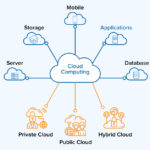
Cloud computing is the on-demand delivery of computing resources—such as servers, storage, databases, and software—over the internet. Instead of owning physical hardware, users rent resources from cloud providers and scale them as needed.
Cloud computing offers:
Scalability
High availability
Pay-as-you-go pricing
Global accessibility
What Is AI in Cloud Computing?
AI in cloud computing refers to the integration of artificial intelligence technologies with cloud infrastructure and services. Cloud platforms provide the computing power, storage, and tools needed to develop, train, deploy, and manage AI models efficiently.
In other words, the cloud acts as the foundation that makes AI accessible, scalable, and affordable.
Without cloud computing, AI development would require massive upfront investments in hardware, data centers, and specialized expertise.
How AI in Cloud Computing Works
The process typically follows these steps:
Data Collection
Data is gathered from applications, IoT devices, sensors, or user interactions and stored in cloud databases.Data Processing and Storage
Cloud services clean, organize, and store large datasets securely.Model Training
AI models are trained using cloud-based GPUs and TPUs that accelerate machine learning workloads.Model Deployment
Trained models are deployed as cloud services or APIs accessible from anywhere.Continuous Learning and Optimization
Models improve over time as new data is processed in the cloud.
Key AI Services Offered by Cloud Platforms
Most cloud providers offer AI as a service, which includes several categories:
1. Machine Learning as a Service (MLaaS)
Pre-built tools and frameworks that allow users to train and deploy machine learning models without deep expertise.
2. Pre-Trained AI APIs
Ready-to-use AI capabilities such as:
Image recognition
Language translation
Sentiment analysis
Speech-to-text
3. Data Analytics and AI Integration
AI combined with cloud analytics to generate insights from big data.
4. AI Development Platforms
End-to-end environments for data scientists and developers to build custom AI solutions.
Benefits of AI in Cloud Computing
1. Scalability
Cloud platforms can instantly scale AI workloads based on demand, making them ideal for both startups and enterprises.
2. Cost Efficiency
Organizations avoid expensive hardware investments and only pay for the resources they use.
3. Faster AI Development
Pre-built models and automated tools significantly reduce development time.
4. Accessibility
AI capabilities become accessible to non-experts through simple APIs and dashboards.
5. Global Reach
Cloud-hosted AI services can be deployed worldwide with minimal latency.
Real-World Use Cases of AI in Cloud Computing
1. Healthcare
Medical image analysis
Disease prediction
Personalized treatment plans
Virtual health assistants
2. Finance
Fraud detection
Credit scoring
Algorithmic trading
Risk assessment
3. E-Commerce
Product recommendations
Demand forecasting
Customer behavior analysis
Chatbots and virtual assistants
4. Smart Cities
Traffic optimization
Energy management
Predictive maintenance
Surveillance and safety analytics
5. Education
Personalized learning platforms
Automated grading
Student performance analytics
AI in Cloud Computing Service Models
AI capabilities are delivered through standard cloud service models:
AI in IaaS (Infrastructure as a Service)
Provides raw computing power (GPUs, storage) for building custom AI models.
AI in PaaS (Platform as a Service)
Offers development frameworks, tools, and managed environments for AI applications.
AI in SaaS (Software as a Service)
Delivers AI-powered applications directly to end users, such as CRM systems with built-in analytics.
What Is AI in Cloud Computing?
Security and Compliance in Cloud-Based AI
Security is a major concern when dealing with AI and large datasets. Cloud providers address this through:
Data encryption
Identity and access management
Compliance with international standards
Secure AI model deployment
However, organizations must still implement best practices to protect sensitive data.
What Is AI in Cloud Computing?
Challenges of AI in Cloud Computing
Despite its advantages, AI in cloud computing faces several challenges:
1. Data Privacy
Handling sensitive data in the cloud raises privacy and regulatory concerns.
2. Vendor Lock-In
Relying heavily on a single cloud provider can limit flexibility.
3. Latency Issues
Some AI applications require real-time processing, which may be affected by network delays.
4. Cost Management
Poorly optimized AI workloads can lead to unexpected cloud costs.
The Future of AI in Cloud Computing
The future of AI in cloud computing is promising and rapidly evolving. Key trends include:
AI-powered cloud automation
Serverless AI architectures
Integration with edge computing
Generative AI as a cloud service
Industry-specific AI cloud solutions
As cloud platforms continue to innovate, AI will become more intelligent, autonomous, and deeply embedded into everyday applications.
What Is AI in Cloud Computing?
Conclusion
So, what is AI in cloud computing?
It is the powerful combination of artificial intelligence and cloud infrastructure that enables scalable, intelligent, and cost-effective solutions across every industry.
By leveraging cloud-based AI, organizations can innovate faster, make smarter decisions, and remain competitive in an increasingly digital world. Whether you are a beginner exploring AI concepts or a business planning digital transformation, AI in cloud computing is no longer optional—it is essential.