
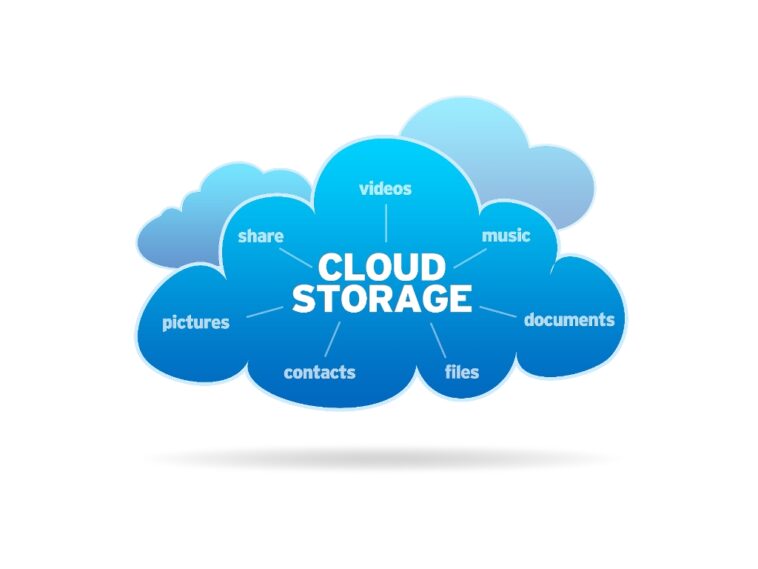
What Is Cloud Storage?
In today’s digital world, data is growing at an incredible pace. From photos and videos to business documents and application data, individuals and organizations generate more information than ever before. Traditional storage methods like USB drives and on-premises servers are no longer enough to keep up with the demand for accessibility, scalability, and security. This is where cloud storage comes in.
Cloud storage has transformed how we store, manage, and access data by moving it from local devices to remote servers accessible via the internet. This article explains what cloud storage is, how it works, its types, benefits, challenges, and why it has become an essential part of modern technology.
What Is Cloud Storage
What Is Cloud Storage?
Cloud storage is a service that allows users to store data on remote servers managed by a cloud provider instead of saving files on a local hard drive or physical storage device. These servers are located in large data centers around the world and are maintained by companies that specialize in secure, reliable data management.
Users can upload, download, manage, and share their files over the internet from almost any device — including laptops, smartphones, and tablets.
In simple terms, cloud storage lets you store your data online instead of on your computer.
What Is Cloud Storage
How Cloud Storage Works
Cloud storage may seem simple from the user’s perspective, but it relies on advanced infrastructure behind the scenes.
1. Data Centers
Cloud providers operate massive data centers filled with thousands of servers. These facilities are designed with:
Redundant power supplies
Advanced cooling systems
High-speed networking
Strong physical security
Your data is stored across multiple servers and locations to prevent loss.
What Is Cloud Storage
2. Virtualization Technology
Cloud providers use virtualization to divide physical servers into multiple virtual machines. This allows efficient use of hardware and makes it easy to scale storage up or down based on demand.
3. Internet Access
When you upload a file to the cloud, it is transmitted over the internet to the provider’s servers. When you download it, the process happens in reverse. Secure connections (such as HTTPS and encryption) help protect your data during transfer.
4. Data Replication
To ensure reliability, cloud providers store copies of your data in multiple locations. If one server fails, another can provide access without interruption.
What Is Cloud Storage
Types of Cloud Storage
Cloud storage is not one-size-fits-all. It comes in different forms depending on how data is stored and accessed.
1. Object Storage
Object storage stores data as objects, each containing:
The data itself
Metadata
A unique identifier
It is highly scalable and ideal for storing large amounts of unstructured data like photos, videos, backups, and application data.
Examples: Amazon S3, Google Cloud Storage, Azure Blob Storage
2. File Storage
File storage organizes data in a familiar folder and file hierarchy, similar to traditional file systems on computers. It is commonly used for shared drives and collaborative work.
Examples: Dropbox, Google Drive, Microsoft OneDrive
3. Block Storage
Block storage divides data into fixed-size blocks and stores them separately. It is commonly used for databases and high-performance applications that need fast access to data.
Examples: Amazon EBS, Azure Disk Storage
What Is Cloud Storage?
Deployment Models of Cloud Storage
Cloud storage can be deployed in different environments depending on an organization’s needs.
Public Cloud Storage
In the public cloud, storage resources are owned and managed by a third-party provider and shared among multiple customers. It is cost-effective and highly scalable.
Private Cloud Storage
Private cloud storage is dedicated to a single organization. It offers greater control and security but usually requires higher costs and management effort.
Hybrid Cloud Storage
Hybrid cloud combines public and private storage. Sensitive data can stay in a private cloud while less critical data is stored in the public cloud.
What Is Cloud Storage?
Benefits of Cloud Storage
Cloud storage has become popular because it offers several advantages over traditional storage systems.
1. Scalability
You can increase or decrease storage space as needed without buying new hardware. This is especially useful for growing businesses.
2. Accessibility
Cloud storage allows access to data from anywhere with an internet connection. This supports remote work and global collaboration.
3. Cost Efficiency
There is no need to invest in physical storage devices or maintain data centers. Users typically pay only for the storage they use.
4. Data Backup and Recovery
Cloud storage provides automatic backups and disaster recovery options. If a device fails, your data remains safe in the cloud.
5. Collaboration
Multiple users can access, edit, and share files in real time. This improves teamwork and productivity.
6. Security Features
Leading providers offer advanced security measures such as:
Encryption
Multi-factor authentication
Access controls
Activity monitoring
What Is Cloud Storage?
Challenges of Cloud Storage
Despite its many benefits, cloud storage also has some challenges.
1. Internet Dependency
Without a stable internet connection, accessing cloud data can be slow or impossible.
2. Ongoing Costs
While initial costs are low, long-term subscription fees can add up, especially for large data volumes.
3. Data Privacy Concerns
Some organizations worry about storing sensitive data on third-party servers, especially in industries with strict regulations.
4. Vendor Lock-In
Switching from one cloud provider to another can be complex and costly due to differences in systems and data formats.
What Is Cloud Storage?
Cloud Storage vs Traditional Storage
| Feature | Cloud Storage | Traditional Storage |
|---|---|---|
| Location | Remote servers | Local devices or on-site servers |
| Scalability | Easy and flexible | Limited by hardware |
| Cost Model | Pay-as-you-go | High upfront cost |
| Accessibility | Anywhere via internet | Usually limited to one location |
| Maintenance | Managed by provider | Managed by user/organization |
Common Uses of Cloud Storage
Cloud storage is used in many areas of daily life and business operations.
Personal Use
Storing photos and videos
Backing up smartphones
Sharing files with friends and family
Business Use
Data backup and disaster recovery
Hosting application data
File sharing and collaboration
Archiving old records
Enterprise and Technology Use
Big data analytics
Artificial intelligence workloads
Software development and testing
Content delivery for websites and streaming platforms
What Is Cloud Storage?
Security in Cloud Storage
Security is one of the top concerns in cloud storage, and providers invest heavily in protection.
Encryption
Data is encrypted both during transfer and while stored on servers, making it unreadable to unauthorized users.
Access Control
Users can set permissions to control who can view, edit, or share files.
Compliance Standards
Major cloud providers comply with international standards such as GDPR, HIPAA, and ISO certifications to ensure proper data protection.
What Is Cloud Storage?
The Role of Cloud Storage in Digital Transformation
Cloud storage plays a key role in modern digital transformation strategies. Businesses are moving away from physical infrastructure toward cloud-based systems that offer flexibility, speed, and innovation.
It enables:
Remote and hybrid work models
Faster application development
Data-driven decision-making
Global collaboration
Without cloud storage, many modern digital services would not be possible.
What Is Cloud Storage?
Future Trends in Cloud Storage
Cloud storage continues to evolve with new technologies and improvements.
AI and Automation
Artificial intelligence is being used to automatically classify, organize, and secure stored data.
Edge Storage
Data is increasingly being stored closer to where it is generated (at the “edge”) to reduce latency and improve performance.
Increased Security Innovations
Future cloud storage systems will include more advanced encryption and zero-trust security models.
Sustainable Data Centers
Cloud providers are investing in renewable energy and energy-efficient technologies to reduce environmental impact.
What Is Cloud Storage?
Conclusion
Cloud storage has revolutionized how individuals and organizations manage their data. By allowing information to be stored securely on remote servers and accessed from anywhere, it offers flexibility, scalability, and cost savings that traditional storage methods cannot match.
From personal photo backups to enterprise-level data analytics, cloud storage supports a wide range of applications that power the modern digital world. While challenges like internet dependency and data privacy concerns remain, ongoing technological advancements continue to make cloud storage more secure, efficient, and essential.
As data continues to grow in importance, cloud storage will remain a foundational technology shaping the future of computing and digital innovation.