
What Is Hybrid Cloud Architecture?
Hybrid cloud architecture has emerged as one of the most transformative models in modern enterprise computing. It offers organizations a flexible, scalable, and cost-efficient way to run workloads by combining the best features of public and private cloud environments. As digital transformation accelerates, companies increasingly seek architectures that support rapid deployment, global accessibility, and robust security—all of which the hybrid cloud model provides.
In this article, we provide a clear, academic, and easy-to-understand explanation of what hybrid cloud architecture is, how it works, its key components, use cases, benefits, challenges, and best practices. SEO-optimized internal structure and relevant keyword distribution are included to help your article rank higher.
What Is Hybrid Cloud Architecture
What Is Hybrid Cloud Architecture?
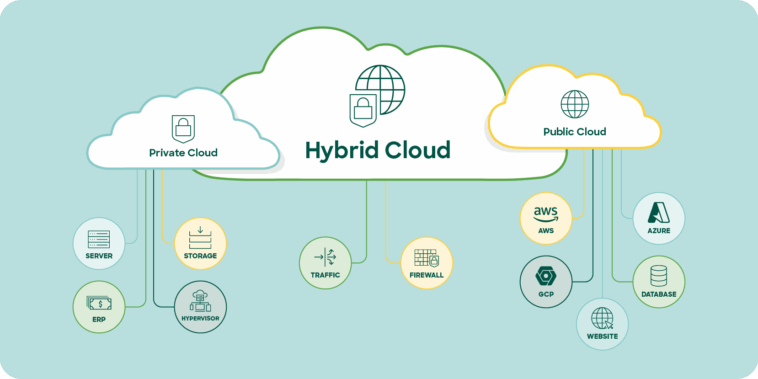
Hybrid cloud architecture refers to an IT framework that integrates public cloud, private cloud, and often on-premises infrastructure into a unified environment. These interconnected platforms allow applications, data, and workloads to move seamlessly across environments.
In simple terms, hybrid cloud architecture gives organizations the flexibility to:
keep sensitive data on-premises or in a private cloud,
run scalable workloads and applications in the public cloud,
connect both environments with secure networking and orchestration tools.
What Is Hybrid Cloud Architecture
Why Hybrid Cloud Architecture Matters Today
The rise of hybrid cloud reflects the limitations of relying on only one type of computing environment.
Public cloud offers cost-efficiency and global scalability.
Private cloud provides control, compliance, and enhanced security.
On-premises systems remain essential for legacy workloads and data sovereignty.
Hybrid cloud architecture brings these environments together to support modern business needs:
Digital transformation
Data privacy regulations
Workload flexibility
High availability and disaster recovery
Industry-specific compliance requirements
This combination makes hybrid cloud the preferred model for enterprises in finance, healthcare, e-commerce, government, manufacturing, and more.
What Is Hybrid Cloud Architecture
Key Components of Hybrid Cloud Architecture
To understand how hybrid cloud works, we must examine its core building blocks.
1 Public Cloud Services
Public cloud platforms provide pooled compute resources over the internet. Examples include:
Amazon Web Services (AWS)
Google Cloud Platform (GCP)
Microsoft Azure
IBM Cloud
Organizations typically use public cloud for:
web applications
analytics and AI
development and testing
scalability during peak demand
2 Private Cloud Environment
A private cloud is dedicated infrastructure—either on-premises or hosted in a data center—built specifically for one organization.
Tools used to build private clouds include:
VMware vSphere
OpenStack
Nutanix
Microsoft Azure Stack
Private cloud ensures:
strict security
full customization
controlled performance
3 On-Premises Infrastructure
These include legacy systems, physical servers, and local data centers that remain vital for:
sensitive data storage
industry-regulated workloads
applications that cannot be migrated
4 Hybrid Connectivity Layer
This is the “glue” that connects all environments.
Technologies include:
VPN
Direct Connect (AWS)
Azure ExpressRoute
Google Cloud Interconnect
SD-WAN
APIs and application gateways
Connectivity ensures data flows smoothly and securely between clouds.
5 Management & Orchestration Tools
Managing hybrid cloud environments requires unified platforms such as:
Kubernetes
Terraform
Red Hat OpenShift
VMware Cloud Foundation
Google Anthos
These tools automate deployment, optimize workloads, and centralize monitoring.
What Is Hybrid Cloud Architecture
How Hybrid Cloud Architecture Works
Hybrid cloud architecture operates through a coordinated workflow across multiple environments. Here’s a simplified breakdown:
Step 1: Workload Placement
Organizations decide where each workload should run based on:
security needs
performance requirements
scalability needs
cost efficiency
regulatory constraints
For example:
E-commerce front-end → Public Cloud
Customer payment system → Private Cloud
Legacy ERP → On-premises
Step 2: Secure Connectivity
Encrypted VPNs, dedicated circuits, and cloud interconnects allow data to move securely across environments.
Step 3: Unified Management Layer
Hybrid tools manage:
deployment automation
container orchestration
monitoring and logging
identity and access control
backup and disaster recovery
Step 4: Dynamic Scaling
Workloads can burst into the public cloud during high demand. This ensures:
business continuity
improved performance
optimized costs
Step 5: Continuous Data Synchronization
Data replication tools synchronize databases across environments to ensure accuracy and reliability.
Benefits of Hybrid Cloud Architecture
1 Enhanced Flexibility
Organizations choose the best environment for each workload instead of being locked into a single vendor.
2 Cost Optimization
Hybrid cloud reduces costs by:
running stable workloads on private infrastructure
using public cloud for variable workloads
avoiding over-provisioning
3 Greater Security and Compliance
The model supports:
data isolation
compliance with GDPR, HIPAA, PCI-DSS
customizable security controls
4 Seamless Scalability
Public cloud resources scale on demand during:
traffic spikes
seasonal events
global expansions
5 Improved Disaster Recovery
Hybrid cloud enables:
cross-cloud backup
geo-redundancy
fast failover
6 Business Continuity
If one cloud fails, workloads shift to another environment, ensuring uninterrupted operations.
What Is Hybrid Cloud Architecture
Challenges of Hybrid Cloud Architecture
While powerful, hybrid cloud comes with complexities:
1 Integration Complexity
Connecting multiple platforms requires skilled architects and advanced tools.
2 Security Management
Maintaining consistent security policies across environments can be difficult.
3 Increased Operational Overhead
Monitoring and managing multiple clouds demands more resources.
4 Data Transfer Costs
Cross-cloud data movement may incur additional fees.
5 Vendor Interoperability
Some cloud providers have limited cross-platform compatibility.
What Is Hybrid Cloud Architecture
Use Cases of Hybrid Cloud Architecture
1 Financial Services
Banks maintain sensitive customer data in private cloud while processing analytics in public cloud.
2 Healthcare
Medical institutions store patient records locally while using cloud AI tools to analyze data.
3 E-commerce
Retailers run high-traffic websites in public clouds and maintain inventory systems on private servers.
4 Government
Agencies follow strict data regulations but need scalable cloud services for public applications.
5 Manufacturing
Factories integrate on-premises industrial systems with cloud-based data analytics.
What Is Hybrid Cloud Architecture
Best Practices for Designing Hybrid Cloud Architecture
1 Use Zero-Trust Security Model
Verifies every user, device, and application before granting access.
2 Implement Strong Identity and Access Management (IAM)
Unified IAM ensures consistent authentication and authorization across environments.
3 Standardize Infrastructure with Containers
Containerized workloads improve portability and minimize vendor lock-in.
4 Use Automation Tools
Terraform, Ansible, and Kubernetes streamline deployment and reduce operational costs.
5 Monitor Costs and Performance
Cloud monitoring tools help prevent overspending and improve resource usage.
6 Maintain Regular Backups
Cross-cloud backups ensure long-term data protection.
What Is Hybrid Cloud Architecture
Future of Hybrid Cloud Architecture
Hybrid cloud is evolving into more intelligent systems through:
AI-driven workload optimization
multi-cloud hybrid platforms
enhanced container orchestration
deeper edge computing integration
Companies will increasingly rely on hybrid cloud to stay competitive in an interconnected digital economy.
What Is Hybrid Cloud Architecture
Conclusion
Hybrid cloud architecture is a powerful and flexible computing model that blends public cloud, private cloud, and on-premises infrastructure into a unified ecosystem. It offers improved scalability, cost savings, enhanced security, and better workload management—making it one of the most valuable cloud solutions for modern enterprises.
Organizations adopting hybrid cloud architecture can achieve greater operational efficiency, faster innovation, and resilient IT environments that adapt to rapidly changing business demands.
What Is Hybrid Cloud Architecture