What Is Multi Cloud Architecture?
As organizations accelerate their digital transformation strategies, cloud computing has become the core engine powering modern applications, data platforms, and global services. While many businesses traditionally relied on a single cloud provider, a growing number of enterprises are now adopting a more flexible and strategic approach known as multi-cloud architecture. This architectural model is becoming the standard in 2025 for companies seeking resilience, scalability, cost optimization, and technological freedom.
This article provides a complete and academically structured explanation of what multi cloud architecture is, how it works, its components, benefits, challenges, real-world use cases, and best practices for implementation.
What Is Multi Cloud Architecture
What Is Multi Cloud Architecture?
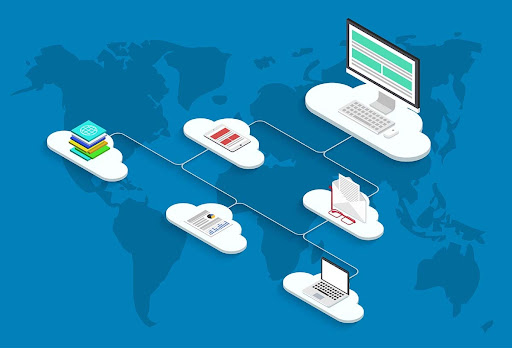
Multi-cloud architecture refers to a cloud strategy in which an organization uses two or more cloud providers simultaneously—such as Amazon Web Services (AWS), Microsoft Azure, Google Cloud Platform (GCP), IBM Cloud, or Oracle Cloud—to host applications, services, or data workloads.
Unlike hybrid cloud (which combines private and public clouds), multi-cloud focuses specifically on leveraging multiple public clouds to optimize performance, avoid vendor lock-in, and ensure higher flexibility.
The key idea behind multi-cloud architecture is:
“Use the best services from each cloud provider based on workload needs.”
What Is Multi Cloud Architecture
Why Organizations Choose Multi Cloud Architecture
1. Avoiding Vendor Lock-In
Relying on one cloud can limit innovation and create dependency. Multi-cloud frees businesses to choose the best tools available across different providers.
2. Reliability and High Availability
If one cloud provider experiences downtime, another cloud can automatically take over. This ensures uninterrupted services.
3. Performance Optimization
Different regions and zones provide different latency benefits. A multi-cloud architecture enables companies to strategically deploy workloads closer to users.
4. Cost Optimization
Providers offer unique pricing models. Organizations can mix services to achieve cost efficiency—computing on one cloud, storage on another.
5. Access to Best-in-Class Services
Each cloud has unique strengths:
AWS: Compute & serverless
Azure: Enterprise integration & identity
GCP: Data analytics & AI
Multi-cloud lets organizations leverage all strengths together.
What Is Multi Cloud Architecture
Core Components of Multi-Cloud Architecture
Understanding the components of this architecture is essential for architecting scalable solutions:
1. Cloud Providers
At least two providers are used. Common examples include:
AWS
Microsoft Azure
Google Cloud Platform
Oracle Cloud
IBM Cloud
Alibaba Cloud
2. Inter-Cloud Networking
Connectivity between clouds requires:
VPN tunnels
Dedicated links (AWS Direct Connect, Azure ExpressRoute, Google Cloud Interconnect)
Software-defined networking (SDN)
3. Multi-Cloud Management Layer
A unified interface or platform to manage:
Resource provisioning
Monitoring and logging
Cost tracking
Policy enforcement
Tools include Terraform, Kubernetes, Anthos, Azure Arc, and HashiCorp tools.
4. Application Deployment Layer
Applications must be designed to run across clouds using:
Containers (Docker)
Kubernetes clusters
Microservices architectures
5. Data Management and Replication
Data must be:
synchronized
backed up
consistent across cloud providers
Data solutions include:
BigQuery Omni
Snowflake multi-cloud
Distributed databases (CockroachDB, MongoDB Atlas)
6. Governance and Security Framework
Policies governing:
Access control
Identity management
Compliance requirements
Threat detection across clouds
How Multi-Cloud Architecture Works
A well-designed multi-cloud environment follows a structured operational model:
1. Workload Distribution
Apps and data are distributed based on:
Performance requirements
Compliance constraints
Cost models
Required cloud-native services
2. Unified Deployment
Using IaC (Infrastructure as Code), the same application can be deployed to multiple clouds with consistent configurations.
3. Inter-Cloud Connectivity
Clouds exchange data and route traffic using secure tunnels or dedicated interconnects.
4. Continuous Monitoring
A central monitoring system tracks:
Resource performance
Security events
Failover conditions
5. Automated Failover
If one cloud fails, traffic routing automatically shifts to another cloud.
What Is Multi Cloud Architecture
Architecture Models in Multi-Cloud Strategy
There are several multi-cloud patterns depending on the business need.
1. Distributed Multi-Cloud
Different workloads run on different clouds based on best performance.
Example:
Analytics on GCP
Databases on AWS
Identity services on Azure
2. Redundant Multi-Cloud
Applications run on multiple clouds simultaneously for high availability.
3. Cloud Bursting Model
Primary cloud handles normal traffic, while additional load bursts into another cloud.
4. Multi-Cloud Disaster Recovery
One cloud acts as the DR (disaster recovery) environment for another cloud.
5. Multi-Cloud Microservices Architecture
Different microservices run on different clouds, each using cloud-native features.
What Is Multi Cloud Architecture
Benefits of Multi-Cloud Architecture
1. Enhanced Business Continuity
Applications remain online even if one provider fails.
2. Flexibility and Freedom
Organizations select the best platform for each workload.
3. Best-of-Breed Services
AI from GCP, compute from AWS, enterprise identity from Azure—combined in one solution.
4. Improved Compliance
Some regulations require storing data in specific regions; multi-cloud solves this.
5. Global Reach
Businesses deploy workloads closer to users worldwide.
6. Cost Efficiency
Switch between providers to optimize spending.
7. Strategic Risk Management
Reduces reliance on a single provider.
What Is Multi Cloud Architecture
Challenges of Multi-Cloud Architecture
Although powerful, multi-cloud introduces complexity.
1. Operational Complexity
More clouds mean more tools, dashboards, and processes.
2. Security Complexity
Managing IAM, encryption policies, and threats across clouds requires strong governance.
3. Data Synchronization Issues
Data consistency must be maintained across platforms.
4. Skill Gaps
Teams must understand multiple cloud ecosystems.
5. Higher Initial Costs
Setup, integration, networking, and staffing can increase initial expenses.
6. Monitoring and Visibility Challenges
No single cloud-native tool covers all clouds equally, requiring unified solutions.
What Is Multi Cloud Architecture
Real-World Use Cases of Multi-Cloud Architecture
1. Global Enterprises
Companies like Spotify, Netflix, and Twitter use multi-cloud to leverage the best features of each provider.
2. Financial Institutions
Banks use multiple clouds to meet strict compliance requirements.
3. E-Commerce Platforms
To ensure uptime during peak seasons (e.g., Black Friday), multi-cloud ensures zero downtime.
4. AI and Data-Driven Companies
GCP is used for analytics, AWS for large computing batches, Azure for enterprise apps.
5. Gaming Industry
Games deploy multi-cloud to ensure low latency worldwide.
6. Government and Public Sector
They use multi-cloud to comply with data residency laws.
What Is Multi Cloud Architecture
Best Practices for Multi-Cloud Architecture
1. Adopt Infrastructure as Code
Use Terraform, Pulumi, or AWS CDK for consistent deployment.
2. Use Kubernetes as a Universal Layer
Kubernetes abstracts cloud differences and allows portability.
3. Implement a Unified Security Policy
Centralize identity management and enforce Zero-Trust architecture.
What Is Multi Cloud Architecture
4. Standardize Logging and Monitoring
Use tools like:
Datadog
Prometheus
Grafana
Splunk
5. Use Cloud-Agnostic Tools
Choose tools that work across clouds:
Serverless containers
Multi-cloud databases
Cloud-agnostic DevOps pipelines
6. Optimize Cost Continuously
Monitor multi-cloud spending using tools like:
CloudHealth
Google Cloud Billing
AWS Cost Explorer
7. Plan for Disaster Recovery
Ensure automated failover and backup across clouds.
What Is Multi Cloud Architecture
Conclusion
Understanding what multi-cloud architecture is has become essential for modern organizations. Multi-cloud is not just a trend—it is now a strategic requirement for scalability, security, resilience, and innovation.
By leveraging multiple cloud providers, organizations gain maximum flexibility, avoid vendor lock-in, and take advantage of the best tools available in the cloud ecosystem. While multi-cloud architecture introduces complexity, the long-term benefits—including cost optimization, improved performance, and enhanced security—make it a powerful architecture for enterprises in 2025 and beyond.
What Is Multi Cloud Architecture