What Are the Essential Characteristics of Cloud Computing: A Complete Guide
What Are the Essential Characteristics of Cloud Computing
Cloud computing has revolutionized the way businesses and individuals access, store, and manage data. Instead of relying on physical servers or local hardware, users can now tap into a vast network of remote servers hosted on the internet. But what truly defines cloud computing?
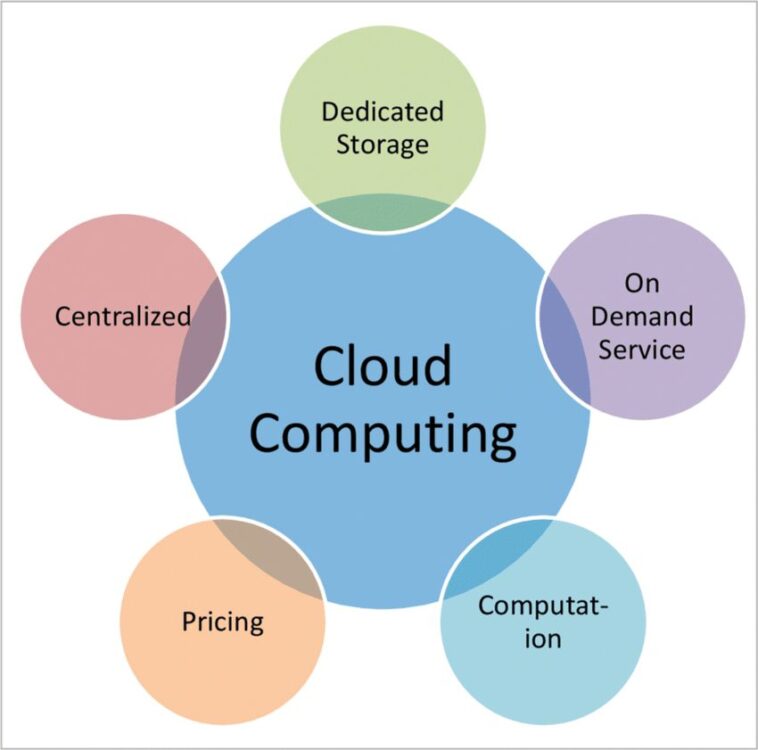
To answer that, we must explore what are the essential characteristics of cloud computing—the core features that distinguish it from traditional IT infrastructure. These characteristics, as defined by the National Institute of Standards and Technology (NIST), include on-demand self-service, broad network access, resource pooling, rapid elasticity, and measured service.
In this article, we’ll dive deep into each of these essential characteristics, explain their importance, and show how they shape modern cloud environments.
What Are the Essential Characteristics of Cloud Computing
1. On-Demand Self-Service
One of the most defining features of cloud computing is on-demand self-service. This means that users can automatically provision computing resources—such as storage, applications, or virtual machines—without requiring human interaction with the service provider.
How It Works
Through intuitive dashboards or APIs, customers can select the exact resources they need—like CPU power, memory, or storage space—and deploy them instantly. This eliminates the need for manual setup or long approval processes.
Example
Imagine a startup developing a mobile app. Instead of purchasing servers and waiting for installation, they can instantly deploy a cloud environment through platforms like Amazon Web Services (AWS) or Microsoft Azure.
Key Benefits
Instant scalability and flexibility.
Reduced administrative overhead.
Empowerment of developers and IT teams to innovate faster.
what are the essential characteristics of cloud computing
2. Broad Network Access
Another crucial characteristic of cloud computing is broad network access. This feature ensures that cloud services are accessible over the internet using standard devices and protocols.
Meaning and Importance
Cloud resources can be accessed from any location, using a range of devices such as laptops, smartphones, or tablets. This characteristic promotes remote work, global collaboration, and seamless connectivity.
Example
A marketing team spread across different countries can simultaneously access cloud-based tools like Google Workspace or Dropbox from any device with an internet connection.
Key Benefits
Universal access to services.
Improved collaboration and productivity.
Compatibility across multiple device types.
what are the essential characteristics of cloud computing
3. Resource Pooling
The concept of resource pooling lies at the heart of cloud computing efficiency. In this model, cloud providers use a multi-tenant architecture—where multiple customers share a pool of computing resources dynamically allocated according to demand.
How It Works
Resources such as storage, processing power, and network bandwidth are pooled together. The provider assigns these resources to customers based on need, often without the customer knowing the exact physical location of their data.
Example
When multiple companies use Microsoft Azure, their workloads are hosted on shared infrastructure, yet logically isolated for privacy and security.
Key Benefits
Optimized resource utilization.
Cost efficiency through shared infrastructure.
Dynamic allocation of computing power.
This pooling strategy allows cloud providers to deliver affordable and scalable services to millions of users simultaneously.
what are the essential characteristics of cloud computing
4. Rapid Elasticity
Rapid elasticity is one of the most powerful characteristics of cloud computing. It refers to the ability to scale resources up or down quickly in response to changing demands.
Explanation
Cloud environments can automatically add or remove resources based on workload fluctuations. This ensures consistent performance even during unexpected spikes in traffic.
Example
An e-commerce website may experience heavy traffic during holiday sales. With cloud elasticity, additional servers are automatically added to handle the load and removed afterward to reduce costs.
Key Benefits
High scalability and flexibility.
Cost savings—pay only for what you use.
Better user experience during peak demand.
what are the essential characteristics of cloud computing
5. Measured Service
The fifth and final essential characteristic of cloud computing is measured service. This principle allows cloud systems to automatically control and optimize resource use by leveraging metering capabilities.
How It Works
Every resource usage—such as bandwidth, storage, or processing time—is monitored, measured, and billed based on consumption. This enables transparency, accountability, and cost optimization.
Example
In AWS or Google Cloud, customers can view detailed reports showing exactly how much they’ve used in terms of storage, network traffic, or computing time.
Key Benefits
Pay-as-you-go model for better budgeting.
Clear visibility of consumption.
Efficient cost management for businesses of all sizes.
This characteristic ensures that cloud services remain fair, transparent, and scalable according to each user’s needs.
what are the essential characteristics of cloud computing
6. Additional Key Characteristics of Cloud Computing
While the five NIST-defined features are fundamental, modern cloud systems often include additional characteristics that enhance functionality and user experience:
a. Security and Compliance
Leading providers integrate advanced cloud security architecture, encryption, and compliance with frameworks like ISO 27001 and GDPR to protect user data.
b. Service Models
Cloud computing operates across three main service models:
IaaS (Infrastructure as a Service): Offers virtualized infrastructure components like servers and storage.
PaaS (Platform as a Service): Provides a platform for building and deploying applications.
SaaS (Software as a Service): Delivers software applications over the internet.
c. Deployment Models
Cloud environments can be public, private, hybrid, or multi-cloud, depending on an organization’s security and performance requirements.
These extensions demonstrate how the essential characteristics have evolved to support complex enterprise needs.
what are the essential characteristics of cloud computing
7. Benefits of Understanding Cloud Characteristics
Understanding what are the essential characteristics of cloud computing helps organizations make informed decisions when transitioning to the cloud.
a. Cost Efficiency
By leveraging measured service and resource pooling, companies minimize waste and pay only for actual consumption.
b. Agility and Innovation
On-demand and elastic resources accelerate development cycles, allowing faster innovation and time-to-market.
c. Reliability and Performance
Broad network access and rapid scalability ensure uninterrupted service availability and optimized performance.
d. Security and Compliance
Cloud providers adhere to global standards, offering built-in encryption and access control.
what are the essential characteristics of cloud computing
8. Challenges and Considerations
While the advantages are significant, businesses must address certain challenges when adopting cloud computing:
Data Privacy: Ensuring compliance with international data protection laws.
Vendor Lock-In: Difficulty in migrating between cloud providers.
Downtime Risks: Despite high uptime guarantees, outages may still occur.
Cost Management: Overprovisioning or hidden costs can affect budgets.
Recognizing these challenges helps organizations maximize the benefits while minimizing risks.
what are the essential characteristics of cloud computing
Conclusion
In conclusion, when exploring what are the essential characteristics of cloud computing, the five fundamental pillars—on-demand self-service, broad network access, resource pooling, rapid elasticity, and measured service—form the foundation of all modern cloud systems.
These characteristics empower organizations with agility, scalability, and cost efficiency, transforming how data and services are delivered globally. Whether for startups, enterprises, or individual users, understanding these principles is key to leveraging the full potential of the cloud