What Is the Definition of Cloud Computing? A Complete and Practical Guide
Cloud computing has become one of the most influential technologies in the modern digital era. From mobile applications and online collaboration tools to enterprise systems and artificial intelligence, cloud computing powers a vast portion of today’s digital infrastructure. Yet, many learners and business leaders still ask a fundamental question: what is the definition of cloud computing, and why is it so important?
This comprehensive guide explains what is the definition of cloud computing in clear terms, explores how it works, examines its core models and characteristics, and highlights its real-world applications, benefits, and future trends.
What Is the Definition of Cloud Computing?
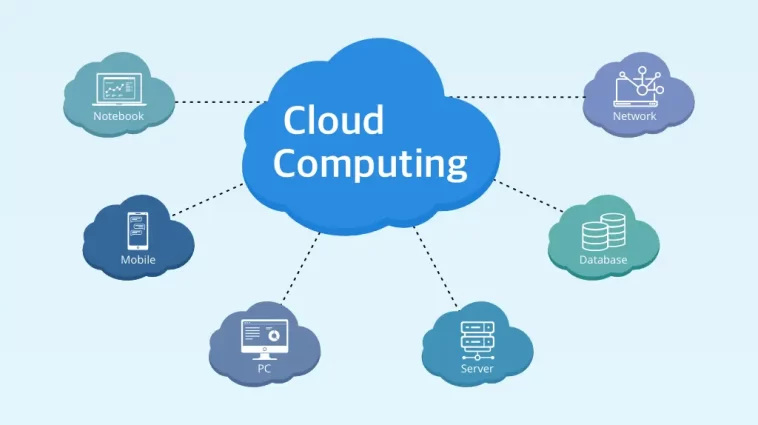
At its core, the definition of cloud computing refers to the delivery of computing services—including servers, storage, databases, networking, software, analytics, and intelligence—over the internet (the “cloud”) instead of through local servers or personal computers.
These services are typically offered on a pay-as-you-go basis, allowing users to access powerful computing resources without owning or maintaining physical infrastructure.
In simple terms, when people ask what is the definition of cloud computing, the answer is: it is a model that enables on-demand access to shared computing resources through the internet.
Why Cloud Computing Exists
Traditional IT infrastructure required organizations to purchase hardware, install software, and maintain data centers. This approach was expensive, time-consuming, and inflexible.
Cloud computing emerged to solve these challenges by:
Reducing upfront costs
Enabling scalability
Improving accessibility
Accelerating innovation
Understanding what is the definition of cloud computing also means understanding the problems it was designed to solve.
Key Characteristics of Cloud Computing
To fully explain what is the definition of cloud computing, it is important to understand its defining characteristics.
1. On-Demand Self-Service
Users can provision computing resources automatically without human interaction with the service provider.
2. Broad Network Access
Services are accessible over the internet from various devices such as laptops, smartphones, and tablets.
3. Resource Pooling
Cloud providers pool resources to serve multiple customers using a multi-tenant model.
4. Rapid Elasticity and Scalability
Resources can be scaled up or down quickly based on demand.
5. Measured Service
Usage is monitored and billed based on consumption, similar to utilities like electricity or water.
These characteristics collectively define cloud computing.
How Cloud Computing Works
Cloud computing relies on a network of remote data centers operated by cloud service providers. These data centers host physical servers, storage systems, and networking equipment.
The process works as follows:
Users access cloud services via the internet.
Requests are routed to cloud data centers.
Resources are allocated dynamically based on demand.
Data is processed and returned to the user.
This architecture allows cloud computing to deliver high availability and performance.
Cloud Computing Service Models
A complete understanding of what is the definition of cloud computing requires familiarity with its service models.
Infrastructure as a Service (IaaS)
IaaS provides virtualized computing resources such as servers, storage, and networks.
Examples:
Virtual machines
Cloud storage
Virtual networks
IaaS offers maximum flexibility and control.
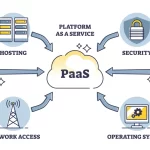
Platform as a Service (PaaS)
PaaS provides a development environment for building, testing, and deploying applications.
Key features:
No infrastructure management
Built-in development tools
Automatic scaling
PaaS simplifies application development.
Software as a Service (SaaS)
SaaS delivers fully functional software applications over the internet.
Examples:
Email platforms
Collaboration tools
Customer relationship management systems
SaaS is the most widely used cloud service model.
Cloud Deployment Models
Understanding what is the definition of cloud computing also involves deployment models.
Public Cloud
Resources are owned and managed by third-party providers and shared among multiple users.
Private Cloud
Infrastructure is dedicated to a single organization, offering greater control and security.
Hybrid Cloud
Combines public and private cloud environments.
Multi-Cloud
Uses services from multiple cloud providers.
Each model supports different business needs.
Real-World Applications of Cloud Computing
Cloud computing is used across nearly every industry.
Business Applications
Enterprise resource planning
Customer data management
Remote collaboration
Education
Online learning platforms
Virtual classrooms
Student data storage
Healthcare
Electronic health records
Medical imaging
Telemedicine services
Entertainment
Streaming platforms
Online gaming
Content delivery networks
These examples show how the definition of cloud computing translates into real-world value.
Benefits of Cloud Computing
Understanding what is the definition of cloud computing also requires examining its advantages.
Cost Efficiency
Organizations pay only for the resources they use.
Scalability
Resources scale automatically with demand.
Accessibility
Users can access services from anywhere.
Reliability
Data is often replicated across multiple locations.
Security
Cloud providers invest heavily in security technologies.
Challenges and Risks of Cloud Computing
Despite its benefits, cloud computing has challenges.
Security and Privacy
Data stored off-site requires strong security controls.
Internet Dependency
Cloud services require reliable internet connectivity.
Vendor Lock-In
Switching providers can be complex.
Understanding these risks helps organizations adopt cloud computing responsibly.
Cloud Computing vs Traditional Computing
Traditional computing relies on on-premises infrastructure, while cloud computing emphasizes flexibility and shared resources.
| Feature | Traditional Computing | Cloud Computing |
|---|---|---|
| Cost Model | Capital expenditure | Operational expenditure |
| Scalability | Limited | High |
| Maintenance | Manual | Provider-managed |
| Accessibility | Local | Global |
This comparison reinforces what is the definition of cloud computing as a modern computing paradigm.
Cloud Computing and Digital Transformation
Cloud computing is a key enabler of digital transformation. It supports:
Innovation
Automation
Data-driven decision-making
Agile development
Organizations that understand and adopt cloud computing gain a competitive advantage.
The Future of Cloud Computing
The evolution of cloud computing continues with:
Artificial intelligence integration
Serverless architectures
Edge computing
Industry-specific cloud platforms
Sustainable cloud infrastructure
These trends will further expand the definition and impact of cloud computing.
Conclusion
So, what is the definition of cloud computing? It is a technology model that delivers computing resources over the internet on demand, offering scalability, flexibility, and cost efficiency. Cloud computing has transformed how individuals, businesses, and governments use technology.
By understanding the definition, characteristics, models, and applications of cloud computing, organizations and learners can make informed decisions and fully leverage the power of the cloud in a rapidly evolving digital world.