Infrastructure as a Service (IaaS)
Cloud computing has redefined how organizations design, deploy, and manage IT systems. Among the three foundational service models—Infrastructure as a Service (IaaS), Platform as a Service (PaaS), and Software as a Service (SaaS)— Infrastructure as a Service (IaaS) is the most fundamental and transformative. It provides organizations with virtualized computing resources over the internet, enabling unprecedented scalability, flexibility, and cost efficiency.
This article presents a detailed academic analysis of Infrastructure as a Service (IaaS), covering its architecture, components, benefits, challenges, use cases, leading providers, and its evolving role in cloud computing ecosystems. Designed for IT professionals, cloud engineers, researchers, and business decision-makers, it provides a structured, comprehensive understanding of how IaaS powers modern digital infrastructures.
What Is Infrastructure as a Service (IaaS)?
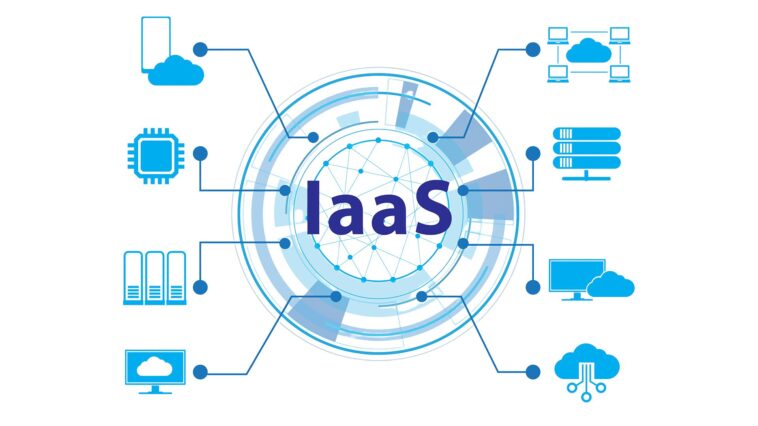
Infrastructure as a service (IaaS) is a cloud computing model in which a cloud provider delivers essential IT resources—including servers, virtual machines, storage, networking, and security infrastructure—to customers via the internet.
In traditional on-premises environments, organizations purchase physical hardware, manage data centers, and perform manual maintenance. IaaS replaces this model with virtualized infrastructure that can be provisioned on demand and paid for through flexible consumption-based billing.
Key characteristics of IaaS include:
On-demand resource provisioning
Virtualization of compute, storage, and network resources
Scalability and elasticity
Pay-as-you-go billing
High availability and redundancy
Centralized management via web portals and APIs
IaaS forms the backbone of cloud ecosystems, allowing businesses to build and deploy applications without the heavy burden of maintaining physical servers.
Core Components of Infrastructure as a Service (IaaS)
To understand how infrastructure as a service (IaaS) operates, it is essential to examine its main building blocks.
1 Compute Resources
The compute layer typically includes:
Virtual Machines (VMs): Fully customizable computing environments that run operating systems and applications.
Bare-Metal Servers: Dedicated physical servers for high-performance workloads.
Auto-scaling Groups: Automatically adjust compute capacity based on demand.
2 Storage Services
IaaS providers offer multiple storage models:
Block Storage: High-performance storage for VMs (e.g., AWS EBS, Azure Disk Storage).
Object Storage: Massively scalable unstructured data storage (e.g., Amazon S3, Azure Blob Storage).
File Storage: Shared file systems for distributed applications.
3 Networking
Network services include:
Virtual networks (VPC/VNet)
Subnets and routing tables
Load balancers (application and network-level)
VPNs and gateways
Firewalls and network security groups
These tools allow organizations to design secure and fully segmented cloud networks that mirror on-premises architectures.
4 Security and Identity Management
IaaS incorporates:
Identity and Access Management (IAM)
Encryption at rest and in transit
DDoS protection
Monitoring tools
Compliance management
5 Management Tools and APIs
Most IaaS platforms include:
Web management consoles
Command-line interfaces
SDKs and APIs
Logging and monitoring dashboards
These components streamline resource provisioning and automation.
Advantages of Infrastructure as a Service (IaaS)
1 Reduced Capital Expenditure
Since infrastructure as a service (IaaS) eliminates the need for physical servers and data centers, organizations avoid large upfront investments.
2 On-Demand Scalability
IaaS enables instant scaling of compute, storage, and network resources based on workload requirements—an essential capability for modern applications.
3 Improved Business Agility
Organizations can launch new applications, test environments, or development sandboxes within minutes.
4 Enhanced Security and Reliability
Cloud providers offer advanced security technologies and multi-region redundancy, reducing risks associated with outages and cyber threats.
5 Global Reach
IaaS providers operate data centers across the world, allowing businesses to deploy workloads closer to users.
6 Flexible Pricing Models
Customers pay only for the resources they consume, allowing financial optimization through:
Reserved instances
Spot pricing
Auto-scaling
Savings plans
Challenges of Infrastructure as a Service (IaaS)
Despite its benefits, infrastructure as a service (IaaS) presents several challenges:
1 Complexity
Designing and managing cloud infrastructure requires expertise in cloud architecture and security.
2 Cost Management
Unmonitored usage can lead to cost overruns. Many organizations adopt FinOps strategies to control spending.
3 Vendor Lock-In
Migrating between cloud providers can be difficult due to differences in APIs, file formats, and network architectures.
4 Security Misconfigurations
While cloud providers secure the infrastructure, customers are responsible for configuration. Missteps can lead to vulnerabilities.
Leading Providers of Infrastructure as a Service (IaaS)
1 Amazon Web Services (AWS)
AWS is the global leader in IaaS, offering:
EC2 compute instances
S3 object storage
VPC networking
IAM security
Elastic Load Balancing
EBS block storage
AWS specializes in scale and flexibility, supporting diverse workloads from startups to enterprises.
2 Microsoft Azure
Azure offers a broad suite of IaaS services, including:
Azure Virtual Machines
Azure Virtual Network
Azure Blob and Disk Storage
Azure Load Balancer
Azure Firewall
Azure is especially popular among enterprises using Microsoft products.
3 Google Cloud Platform (GCP)
GCP provides:
Compute Engine VMs
Cloud Storage
VPC networking
Global load balancing
GPU-optimized compute
Google Cloud is known for high-performance computing and analytics.
4 IBM Cloud
Strong in enterprise-grade security, hybrid cloud, and GPU computing.
5 Oracle Cloud Infrastructure (OCI)
Popular for database workloads and high-performance enterprise applications.
Use Cases of Infrastructure as a Service (IaaS)
1 Website and Application Hosting
Organizations can host scalable websites and applications without managing physical servers.
2 Disaster Recovery and Backup
IaaS enables businesses to replicate data across regions for resilience.
3 Big Data Analytics
High-performance compute resources support real-time analytics, machine learning, and AI workloads.
4 Development and Testing Environments
Developers can rapidly build and destroy test environments without hardware costs.
5 Enterprise IT Modernization
Companies migrate legacy systems to the cloud to reduce infrastructure complexity.
6 E-Commerce Platforms
Online retailers use IaaS to accommodate fluctuations in traffic during sales events.
7 High-Performance Computing (HPC)
GPU and TPU instances enable scientific research, simulations, and media rendering.
IaaS vs. PaaS vs. SaaS
To understand where infrastructure as a service (IaaS) fits within cloud models, it is useful to compare it with PaaS and SaaS:
| Feature | IaaS | PaaS | SaaS |
|---|---|---|---|
| Responsibility | Customer manages OS & applications | Customer manages code only | Provider manages everything |
| Flexibility | High | Medium | Low |
| Best for | IT teams, developers | Developers | End-users |
IaaS offers the foundational building blocks upon which PaaS and SaaS solutions are built.
The Future of Infrastructure as a Service (IaaS)
Cloud infrastructure continues to evolve at remarkable speed. Future developments include:
1 Edge Computing Integration
IaaS is expanding toward the edge, enabling low-latency applications like:
Autonomous vehicles
Smart factories
Real-time IoT processing
2 AI-Enhanced Infrastructure
Cloud services will use AI for:
Auto-scaling
Threat detection
Performance optimization
3 Sustainable and Green Cloud Computing
Providers are investing in renewable energy, efficient cooling, and carbon-neutral data centers.
4 Serverless Infrastructure
While IaaS traditionally requires VM management, the rise of serverless models is shifting focus toward event-driven architectures.
Infrastructure as a Service (IaaS)
Conclusion
Infrastructure as a service (IaaS) stands as a cornerstone of modern cloud computing, enabling organizations to build scalable, cost-efficient, and secure digital infrastructures. By virtualizing compute, storage, and networking resources, IaaS provides unprecedented agility for enterprises, developers, and startups. Its advantages—such as global scalability, rapid deployment, and flexibility—make it indispensable for contemporary IT ecosystems.
As cloud technologies evolve, IaaS will continue to drive digital transformation, support innovation, and empower businesses to operate efficiently in an increasingly competitive and data-driven world.