PaaS SaaS IaaS Examples : Cloud Computing Service Models
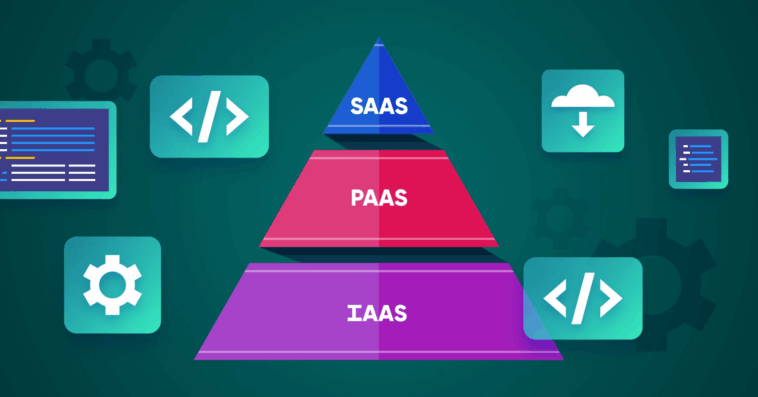
Cloud computing has transformed the way businesses, developers, and individuals access computing resources. By delivering computing services over the internet, cloud computing eliminates the need for heavy investments in on-premises hardware and software. There are three primary service models in cloud computing: Infrastructure as a Service (IaaS), Platform as a Service (PaaS), and Software as a Service (SaaS). Understanding these models, along with practical examples, is essential for businesses and IT professionals seeking to leverage cloud technology effectively.
PaaS SaaS IaaS Examples
What Are PaaS SaaS IaaS Examples?
1. Infrastructure as a Service (IaaS)
IaaS provides virtualized computing resources over the internet. This includes virtual machines, storage, networks, and operating systems. IaaS allows businesses to rent computing infrastructure rather than owning physical hardware. It is highly flexible and scalable, making it ideal for startups, growing businesses, and enterprises with fluctuating workloads.
Features of IaaS:
On-demand resources
Pay-as-you-go pricing
Scalability and flexibility
Full control over operating systems and applications
PaaS SaaS IaaS Examples
2. Platform as a Service (PaaS)
PaaS provides a platform that allows developers to build, test, and deploy applications without managing the underlying infrastructure. PaaS simplifies development workflows, as developers can focus on coding while the cloud provider handles servers, storage, and networking.
Features of PaaS:
Development frameworks and tools included
Automatic scalability and updates
Reduced complexity for application management
Integration with databases, APIs, and analytics tools
3. Software as a Service (SaaS)
SaaS delivers software applications over the internet. Users can access applications through web browsers without installing software locally. SaaS is widely used for productivity, communication, and business operations.
Features of SaaS:
Web-based access to applications
Subscription-based pricing
Automatic updates and maintenance
Collaboration and accessibility from anywhere
PaaS SaaS IaaS Examples
IaaS Examples in Cloud Computing
IaaS provides the foundational building blocks for cloud computing. Here are some notable examples:
1. Amazon Web Services (AWS) EC2
AWS Elastic Compute Cloud (EC2) offers scalable virtual servers for a variety of workloads. Users can choose server configurations, storage, and networking options. EC2 is widely used by startups and enterprises for hosting websites, applications, and databases.
2. Microsoft Azure Virtual Machines
Azure provides virtual machines that can run Windows or Linux operating systems. Azure VMs allow businesses to deploy applications, conduct testing, and manage workloads without investing in physical servers.
3. Google Cloud Compute Engine
Google Cloud’s Compute Engine offers high-performance virtual machines with flexible pricing options. It supports large-scale applications, big data processing, and machine learning workloads.
4. DigitalOcean Droplets
DigitalOcean provides simple virtual servers called Droplets, ideal for developers and small businesses. Droplets are easy to deploy and cost-effective for web applications, development environments, and containerized workloads.
PaaS SaaS IaaS Examples
PaaS Examples in Cloud Computing
PaaS platforms provide developers with tools and environments to build and deploy applications efficiently. Some well-known examples include:
1. Google App Engine
Google App Engine allows developers to deploy applications without worrying about underlying infrastructure. It supports multiple programming languages and automatically scales based on demand.
2. Microsoft Azure App Service
Azure App Service is a fully managed platform for building web apps, mobile backends, and APIs. It integrates seamlessly with development tools like Visual Studio and GitHub, enabling continuous deployment.
3. Heroku
Heroku is a cloud PaaS that supports multiple programming languages, including Ruby, Python, and Node.js. Developers can deploy, manage, and scale applications with minimal infrastructure management.
4. Red Hat OpenShift
OpenShift provides a container-based PaaS environment for deploying, managing, and scaling applications. It simplifies Kubernetes management and integrates with CI/CD pipelines.
PaaS SaaS IaaS Examples
SaaS Examples in Cloud Computing
SaaS delivers software applications over the internet, enabling users to access services without installing software locally. Key examples include:
1. Google Workspace
Google Workspace (formerly G Suite) offers applications like Gmail, Google Docs, Sheets, and Drive. These applications are accessible from any device with an internet connection, allowing collaboration in real time.
2. Microsoft 365
Microsoft 365 provides cloud-based productivity tools such as Word, Excel, PowerPoint, and Teams. Businesses can manage communication, file storage, and collaboration efficiently.
3. Salesforce
Salesforce is a leading SaaS platform for customer relationship management (CRM). It helps businesses manage sales, marketing, and customer service through a cloud-based interface.
4. Zoom
Zoom offers cloud-based video conferencing, webinars, and team collaboration. It has become an essential tool for remote work and online meetings worldwide.
5. Slack
Slack provides messaging, file sharing, and collaboration tools for teams. Being cloud-based, it allows real-time communication across geographies without requiring local installation.
PaaS SaaS IaaS Examples
Comparison of IaaS, PaaS, and SaaS
| Feature | IaaS | PaaS | SaaS |
|---|---|---|---|
| Management | Full control over infrastructure | Focus on apps, provider manages infrastructure | Provider manages everything |
| Users | IT administrators, DevOps teams | Developers | End-users, businesses |
| Flexibility | High | Medium | Low |
| Examples | AWS EC2, Azure VM, Google Compute Engine | Google App Engine, Heroku, OpenShift | Google Workspace, Salesforce, Zoom |
Advantages of Using IaaS, PaaS, and SaaS
IaaS Advantages
Scalable infrastructure for businesses of all sizes
Cost-effective pay-as-you-go model
Customizable computing environment
PaaS Advantages
Simplifies application development
Reduces operational complexity
Supports rapid deployment and scalability
SaaS Advantages
Accessible from anywhere with an internet connection
Automatic updates and maintenance
Enhances collaboration and productivity
PaaS SaaS IaaS Examples
Disadvantages and Considerations
Despite their benefits, each service model has potential drawbacks:
IaaS: Requires technical expertise to manage infrastructure; security is the user’s responsibility.
PaaS: Limited control over underlying infrastructure; dependency on the provider.
SaaS: Less flexibility for customization; subscription costs may accumulate over time.
Organizations must carefully evaluate business needs, technical expertise, and cost considerations before choosing a cloud service model.
PaaS SaaS IaaS Examples
Conclusion
Understanding paas saas iaas examples is crucial for leveraging cloud computing effectively. IaaS provides virtualized infrastructure, PaaS offers development platforms, and SaaS delivers ready-to-use software applications. By examining real-world examples such as AWS EC2, Google App Engine, and Salesforce, businesses and developers can make informed decisions about which model suits their requirements.
Cloud computing empowers organizations to scale operations, reduce costs, and enhance efficiency. However, careful planning, provider selection, and security measures are essential to maximize benefits while minimizing risks. As cloud technology continues to evolve, staying informed about service models and practical examples ensures businesses can maintain a competitive edge in the digital era.