
Cloud Computing Disadvantages: Understanding the Risks and Limitations
Cloud computing has revolutionized the way businesses and individuals manage, store, and process data. By providing on-demand access to computing resources such as servers, storage, and applications over the internet, cloud computing offers unparalleled flexibility, scalability, and cost savings. However, despite its numerous advantages, it is equally important to understand the cloud computing disadvantages to make informed decisions and mitigate potential risks.
Cloud Computing Disadvantages
What is Cloud Computing?
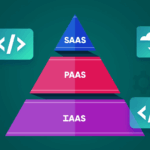
Cloud computing is the delivery of computing services—including servers, storage, databases, networking, software, and analytics—over the internet (“the cloud”). It eliminates the need for businesses to invest heavily in on-premises infrastructure, allowing them to pay only for the resources they use. Cloud computing comes in three main service models:
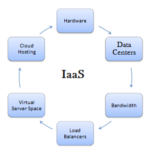
Infrastructure as a Service (IaaS): Provides virtualized computing resources, such as virtual machines and storage, over the internet.
Platform as a Service (PaaS): Offers a platform for developers to build, test, and deploy applications without managing the underlying infrastructure.
Software as a Service (SaaS): Delivers software applications over the internet, accessible via web browsers or APIs.
While these models provide significant benefits like cost reduction, scalability, and remote accessibility, they also come with challenges that businesses and users must be aware of.
Cloud Computing Disadvantages
Cloud Computing Disadvantages
1. Security Risks
One of the most significant disadvantages of cloud computing is security concerns. Because cloud computing involves storing sensitive data on third-party servers, organizations may be exposed to various security threats, including:
Data Breaches: Unauthorized access to cloud-stored data can result in financial loss, reputational damage, and legal liabilities.
Account Hijacking: Cybercriminals can gain access to cloud accounts using phishing or credential theft techniques.
Insider Threats: Employees of cloud providers or client organizations can intentionally or unintentionally compromise data security.
Compliance Challenges: Certain industries, such as healthcare and finance, have strict regulatory requirements (HIPAA, GDPR). Using cloud services without proper security measures may lead to non-compliance.
Although major cloud providers implement advanced security protocols, businesses must adopt additional security measures such as encryption, multi-factor authentication, and regular audits.
Cloud Computing Disadvantages
2. Downtime and Reliability Issues
Cloud computing depends on internet connectivity and the reliability of the cloud provider’s infrastructure. Service outages, technical glitches, or network issues can result in downtime, affecting productivity and revenue.
Example: In 2019, a major cloud provider experienced a global outage, affecting millions of users and businesses relying on its services.
Impact: Even brief downtime can disrupt e-commerce operations, communication tools, and critical business applications.
Organizations should implement disaster recovery plans, use multi-cloud strategies, or maintain on-premises backups to reduce downtime risks.
Cloud Computing Disadvantages
3. Limited Control and Flexibility
In cloud computing, the infrastructure is owned and managed by the service provider, which means businesses have limited control over hardware and certain aspects of software configuration.
Constraints:
Limited ability to customize hardware configurations or network settings
Dependence on provider-defined service levels
Delays in applying patches or updates if the provider’s maintenance schedule conflicts with business needs
While cloud services offer flexibility in terms of scaling resources, the lack of complete control may be a disadvantage for organizations with highly specialized IT requirements.
4. Potential for High Costs
Although cloud computing reduces upfront capital expenditure, long-term operational costs can become significant if not managed properly.
Pay-as-You-Go Models: While cost-efficient for fluctuating workloads, continuous high usage can lead to unexpectedly high bills.
Data Transfer Costs: Moving large volumes of data to and from the cloud can incur additional charges.
Vendor Lock-In: Switching providers may involve data migration costs, specialized training, and downtime, limiting cost savings.
Businesses must carefully monitor cloud usage, choose the right pricing plans, and optimize resources to avoid spiraling costs.
Cloud Computing Disadvantages
5. Data Transfer and Bandwidth Limitations
Cloud computing requires reliable and high-speed internet connectivity for optimal performance. Organizations with limited bandwidth may experience slow access to cloud resources, affecting productivity.
Latency Issues: Applications requiring real-time processing, such as video streaming or financial trading, may suffer from delays if cloud servers are located far from users.
Data Migration Challenges: Moving large datasets to the cloud can be time-consuming and costly, especially for enterprises with massive historical data.
For businesses operating in regions with unstable internet connectivity, cloud computing may pose a significant disadvantage.
Cloud Computing Disadvantages
6. Dependency on Cloud Providers
Cloud users depend heavily on their providers for uptime, security, and technical support. Any failure on the provider’s end can directly impact the organization.
Single Point of Failure: Outages, technical issues, or even bankruptcy of the cloud provider can disrupt services.
Support Limitations: Some providers may have slow response times or limited support for complex technical issues.
Organizations can mitigate this risk by implementing multi-cloud strategies, engaging with providers offering robust SLAs, and maintaining backup systems.
Cloud Computing Disadvantages
7. Compatibility and Integration Challenges
Integrating existing on-premises applications and systems with cloud services can be complex. Legacy systems may not always be compatible with cloud infrastructure, requiring additional investment in middleware or reconfiguration.
Hybrid Cloud Complexity: Managing a combination of on-premises and cloud infrastructure adds operational complexity.
Software Vendor Restrictions: Some enterprise software may have limitations when deployed in the cloud.
Proper planning and technical expertise are essential to address integration challenges effectively.
8. Privacy Concerns
Storing data on third-party cloud servers can raise privacy concerns, especially in industries handling sensitive personal information. Organizations must ensure compliance with privacy regulations and assess provider policies for data storage, access, and jurisdiction.
Cross-Border Data Storage: Cloud providers may store data in multiple countries, raising legal and regulatory challenges.
Lack of Transparency: Limited visibility into how providers handle and secure data can be a concern for privacy-conscious organizations.
Cloud Computing Disadvantages
Conclusion
While cloud computing offers remarkable advantages such as scalability, flexibility, and cost savings, it is not without its drawbacks. Understanding the cloud computing disadvantages, including security risks, downtime, limited control, potential costs, bandwidth limitations, dependency on providers, integration challenges, and privacy concerns, is crucial for businesses and individuals considering cloud adoption.
Mitigating these disadvantages requires careful planning, selecting reputable cloud providers, implementing robust security measures, monitoring costs, and establishing contingency plans. By doing so, organizations can harness the full potential of cloud computing while minimizing risks and ensuring long-term success in the digital landscape.
Cloud computing is undoubtedly transformative, but being aware of its limitations ensures informed decisions, smarter deployments, and a balanced approach to leveraging the cloud’s power.