PaaS Examples in Cloud Computing
Platform as a Service (PaaS) has emerged as one of the most impactful delivery models in the cloud ecosystem. It offers developers a ready-made environment for building, testing, deploying, and maintaining applications without having to manage the underlying infrastructure. As organizations accelerate digital transformation, the value of PaaS becomes increasingly evident—particularly for enterprise software development, cloud-native applications, and modern DevOps workflows. This article provides an in-depth analysis of PaaS, explores its architecture, advantages, and challenges, and highlights prominent PaaS examples in cloud computing used across industries today.
PaaS Examples in Cloud Computing
What Is PaaS in Cloud Computing?
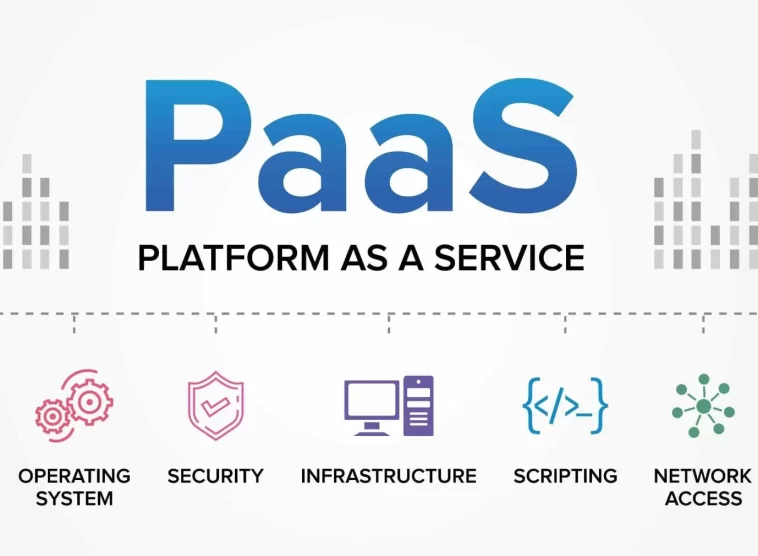
PaaS is a cloud model that delivers a complete application development platform over the internet. It abstracts infrastructure management—such as servers, storage, operating systems, networking, and virtualization—allowing developers to focus solely on writing code and improving application logic.
A PaaS environment typically provides:
Runtime environments
Development frameworks
Middleware
Databases and storage
DevOps toolchains
APIs and integration tools
Monitoring and application management dashboards
By offering these managed services, PaaS enables faster development cycles, reduces operational overhead, and supports scalability and modernization.
PaaS Examples in Cloud Computing
Why Organizations Choose PaaS
Businesses increasingly adopt PaaS due to its ability to streamline development and reduce costs. Key advantages include:
1. Faster Application Development
PaaS platforms come with pre-built components, CI/CD pipelines, and automated deployment tools, significantly shortening development lifecycles.
2. Reduced Infrastructure Complexity
Enterprises no longer need to manage servers, security patches, or virtualization layers—cloud providers handle all backend operations.
3. Built-In Scalability
PaaS solutions automatically scale database instances, application environments, and services according to workload demands.
4. Enhanced Collaboration
Teams can work concurrently on multiple projects using the same cloud-based tools, fostering better communication and workflow synchronization.
5. Lower Operational Costs
By paying only for the resources used, companies eliminate the need for capital expenditure on physical infrastructure.
PaaS Examples in Cloud Computing
Core Components of a Typical PaaS Architecture
Understanding components helps contextualize the PaaS examples in cloud computing explored later.
Application Hosting Environment: Automatically provisioned containers or runtime engines.
Integrated Development Environment (IDE): Online environments such as Cloud9 or Visual Studio Code Web.
Middleware: Provides communication between components, services, and databases.
Database-as-a-Service: Managed SQL and NoSQL systems.
DevOps and CI/CD Tools: Pipelines, test automation, version control, and monitoring.
Microservices and API Gateways: Essential for modern, distributed architectures.
PaaS Examples in Cloud Computing
Top PaaS Examples in Cloud Computing
This section explores the most widely adopted paas examples in cloud computing, describing their capabilities, strengths, and real-world use cases.
1. Google App Engine
Google App Engine (GAE) is one of the earliest and most mature PaaS platforms. It offers a fully managed environment supporting multiple languages including Python, Java, Node.js, Go, and PHP.
Key Capabilities
Automatic scaling
Strong integration with Google Cloud services
Built-in security sandbox
Serverless architecture
Use Cases
Web applications
Mobile backend services
Serverless APIs
Why It Stands Out
It eliminates server management entirely, making it highly suitable for startups and enterprises seeking frictionless deployment pipelines.
2. Microsoft Azure App Service
Azure App Service provides a robust platform for building and hosting web apps, REST APIs, and mobile backends.
Key Features
Supports .NET, Java, Python, Ruby, Node.js, and PHP
Integrates with GitHub, GitLab, Bitbucket, and Azure DevOps
Enterprise-grade security and compliance
Auto-scaling and traffic management
Use Cases
Enterprise web applications
SaaS platforms
API-driven services
Strengths
Deep integration with Windows environments makes it ideal for organizations already using Microsoft ecosystems.
PaaS Examples in Cloud Computing
3. AWS Elastic Beanstalk
Amazon Elastic Beanstalk offers a simplified platform where developers upload their code and AWS automatically handles deployment, provisioning, and monitoring.
Key Capabilities
Native integration with EC2, S3, and RDS
Automatic load balancing
Customization of underlying infrastructure
Health monitoring dashboard
Use Cases
Scalable web platforms
Data processing pipelines
Migrating legacy apps to the cloud
Why It’s Popular
It balances ease of use with customization—developers can manage or override the infrastructure as needed.
4. Heroku
Heroku is a classic PaaS platform known for its simplicity and developer-friendly environment.
Key Features
Supports multiple programming languages
Rich add-on marketplace
Git-based deployment
Managed PostgreSQL service (Heroku Postgres)
Use Cases
Prototyping and rapid MVP development
Small to medium SaaS applications
E-commerce platforms
Unique Strength
Heroku’s minimal operational complexity and elegant developer experience make it a favorite for agile development teams.
5. IBM Cloud Foundry
IBM Cloud Foundry delivers enterprise-grade PaaS capabilities with a focus on hybrid and multicloud deployments.
Features
Language and framework flexibility
High security standards
Integration with IBM Watson and analytics tools
Use Cases
AI-driven applications
Enterprise modernization
Regulated industry cloud solutions
Why It Matters
It suits large enterprises requiring strict compliance and hybrid deployment options.
6. Oracle Cloud Platform
Oracle PaaS is optimized for database-focused enterprise applications.
Key Capabilities
Autonomous database services
Application development frameworks
Integration with Oracle E-Business Suite
Use Cases
Financial systems
ERP and CRM applications
Analytics platforms
Strengths
Strong focus on enterprise-grade transaction management and high-performance databases.
7. Red Hat OpenShift
OpenShift is a container-based PaaS built on Kubernetes and Red Hat Enterprise Linux.
Features
Enterprise Kubernetes platform
CI/CD integrations
Built-in service mesh and observability
Use Cases
Cloud-native microservices
Containerized enterprise apps
DevSecOps pipelines
Why It’s Different
OpenShift emphasizes security-hardening and hybrid deployment capabilities.
PaaS Examples in Cloud Computing
Comparison of Major PaaS Examples
| PaaS Platform | Best Use Case | Strength | Deployment Model |
|---|---|---|---|
| Google App Engine | Serverless web apps | Scalability | Fully managed |
| Azure App Service | Enterprise applications | Deep Microsoft integration | Managed |
| AWS Elastic Beanstalk | Flexible cloud apps | Control + ease of use | Managed |
| Heroku | MVP & SaaS startups | Developer experience | Fully managed |
| IBM Cloud Foundry | Regulated industries | Hybrid cloud | Hybrid |
| Oracle Cloud PaaS | Financial systems | Database strength | Managed |
| OpenShift | Microservices | Kubernetes security | Hybrid/multi-cloud |
Challenges of Using PaaS
Despite the benefits, PaaS adoption comes with considerations:
Vendor Lock-In
Applications may become dependent on specific cloud services, making migration complex.
Limited Control
Developers cannot fully customize the underlying infrastructure, unlike IaaS.
Compliance Restrictions
Certain industries require full control over data storage and infrastructure.
Cost Management
While PaaS reduces operational costs, usage-based billing can increase expenses if not monitored.
Future Trends in PaaS
The evolution of PaaS aligns with broader cloud advancements:
1. AI-Driven Developer Platforms
Automated code generation, testing, and optimization will become standard.
2. Cloud-Native Everything
PaaS environments will increasingly rely on microservices, containers, and service meshes.
3. Serverless PaaS
More platforms will adopt auto-scaling serverless architectures.
4. Vertical-Specific PaaS
Healthcare, finance, and logistics will receive domain-optimized PaaS solutions.
PaaS Examples in Cloud Computing
Conclusion
PaaS is a foundational component of modern software development, offering organizations the tools, infrastructure, and runtime environments needed to innovate faster and more efficiently. By exploring diverse paas examples in cloud computing, businesses can choose the platform that best aligns with their needs—whether they require simple web hosting, enterprise-grade scalability, hybrid deployment options, or advanced AI capabilities. As cloud technologies evolve, the significance of PaaS will continue to grow, enabling organizations to build resilient, scalable, high-performance applications with minimal operational burden.