Cloud Computing Solutions: Transforming the Way Businesses Build, Scale, and Innovate
In today’s fast-paced digital economy, organizations are under constant pressure to innovate, scale rapidly, and deliver seamless experiences to customers across the globe. Traditional IT infrastructure often struggles to keep up with these demands. This is where cloud computing solutions have emerged as a game-changing technology, redefining how businesses operate and compete.
From startups to multinational enterprises, cloud computing solutions provide flexible, scalable, and cost-effective ways to manage data, applications, and infrastructure. In this article, we will explore what cloud computing solutions are, their key components, types, benefits, use cases, and how they are shaping the future of modern IT.
What Are Cloud Computing Solutions?
Cloud computing solutions refer to a broad set of services and technologies that deliver computing resources over the internet. These solutions allow organizations to access servers, storage, databases, networking, software, analytics, and intelligence without owning or maintaining physical infrastructure.
Instead of investing heavily in hardware and data centers, businesses can leverage cloud platforms to deploy applications, store data, and scale resources on demand.
Core Components of Cloud Computing Solutions
To fully understand cloud computing solutions, it is important to examine their core building blocks.
1. Compute Services
Cloud computing solutions provide virtual machines, containers, and serverless computing that enable organizations to run applications efficiently and flexibly.
2. Storage Services
Cloud storage solutions offer secure and scalable options for storing structured and unstructured data, including object storage, block storage, and file systems.
3. Networking Services
Networking is a critical component of cloud computing solutions, enabling secure communication between applications, users, and data centers.
4. Databases and Analytics
Modern cloud platforms offer managed databases and analytics tools that support real-time insights, big data processing, and business intelligence.
Types of Cloud Computing Solutions
Cloud computing solutions can be categorized based on service models and deployment models.
Cloud Service Models
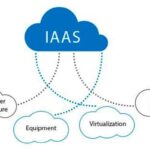
Infrastructure as a Service (IaaS)
IaaS provides virtualized computing resources over the internet. Organizations manage operating systems and applications while the provider manages physical infrastructure.
Platform as a Service (PaaS)
PaaS offers a complete development environment, allowing developers to build, deploy, and manage applications without worrying about infrastructure.
Software as a Service (SaaS)
SaaS delivers ready-to-use applications through a web browser, with all infrastructure and maintenance handled by the provider.
Cloud Deployment Models
Public Cloud
Resources are shared among multiple customers and delivered over the public internet.
Private Cloud
Dedicated cloud environments designed for a single organization, offering greater control and security.
Hybrid Cloud
A combination of public and private cloud environments working together.
Multi-Cloud
Using multiple cloud providers to avoid vendor lock-in and enhance resilience.
Key Benefits of Cloud Computing Solutions
Cloud computing solutions offer numerous advantages that drive their widespread adoption.
1. Scalability and Flexibility
Organizations can scale resources up or down based on demand, ensuring optimal performance without overprovisioning.
2. Cost Efficiency
Cloud computing solutions reduce capital expenditure by eliminating the need for physical hardware and allowing pay-as-you-go pricing.
3. Faster Time to Market
Cloud platforms enable rapid deployment of applications, helping businesses innovate faster.
4. High Availability and Reliability
Cloud providers offer built-in redundancy, backup, and disaster recovery capabilities.
5. Global Accessibility
Applications and data hosted in the cloud can be accessed from anywhere in the world.
Cloud Computing Solutions for Businesses
Small and Medium-Sized Businesses (SMBs)
Cloud computing empower SMBs to access enterprise-grade technology without significant upfront investment.
Large Enterprises
Enterprises use cloud solutions to modernize legacy systems, improve agility, and support global operations.
Startups
Startups rely on cloud computing to experiment, scale quickly, and bring products to market faster.
Industry Use Cases of Cloud Computing
Cloud computing solutions are transforming multiple industries.
Healthcare
Cloud solutions support electronic health records, telemedicine, and data analytics while ensuring compliance and security.
Finance
Banks and financial institutions use cloud computing solutions for risk analysis, fraud detection, and digital banking platforms.
Education
Educational institutions leverage cloud platforms for online learning, collaboration, and research.
Retail and E-Commerce
Retailers use cloud computing solutions to manage inventory, analyze customer behavior, and handle peak traffic during promotions.
Manufacturing
Cloud solutions enable predictive maintenance, supply chain optimization, and smart manufacturing.
Security in Cloud Computing
Security is a top priority when adopting cloud computing solutions.
Shared Responsibility Model
Cloud security follows a shared responsibility model where:
The provider secures the infrastructure
The customer secures applications and data
Key Security Features
Encryption of data at rest and in transit
Identity and access management
Continuous monitoring and threat detection
Compliance with global standards
Challenges of Cloud Computing
Despite their benefits, cloud computing solutions come with challenges.
Data Privacy Concerns
Organizations must ensure compliance with data protection regulations.
Cost Management
Uncontrolled usage can lead to unexpected costs.
Vendor Lock-In
Relying on a single provider may limit flexibility.
Performance Dependency on Connectivity
Cloud access depends on reliable internet connections.
Best Practices for Implementing Cloud Computing
To maximize the value of cloud computing solutions:
Define clear business objectives
Choose the right service and deployment model
Implement strong governance and security policies
Monitor performance and costs regularly
Train teams on cloud technologies
Future Trends in Cloud Computing
The evolution of cloud computing continues with emerging trends such as:
Artificial intelligence and machine learning integration
Edge computing combined with cloud platforms
Serverless architectures
Industry-specific cloud solutions
Sustainable and green cloud initiatives
These innovations are shaping the next generation of digital transformation.
Why Cloud Computing Are the Future of IT
Cloud computing is no longer optional—they are essential. They enable organizations to innovate faster, operate more efficiently, and respond quickly to market changes. As businesses continue to embrace digital transformation, cloud computing solutions will remain at the core of modern IT strategies.
Conclusion
Cloud computing solutions have revolutionized the way organizations build, deploy, and manage technology. By offering scalability, flexibility, cost efficiency, and global accessibility, these solutions empower businesses to compete in an increasingly digital world.
Whether supporting startups, enterprises, or entire industries, cloud computing solutions provide the foundation for innovation, resilience, and long-term growth. Organizations that invest in the right cloud strategy today will be better positioned to succeed in the future.