
What is Cloud Computing in Simple Terms
What is Cloud Computing in Simple Terms with Example: A Complete Beginner’s Guide
In today’s digital era, almost everything — from streaming a movie to managing global businesses — happens in the cloud. But what does that actually mean? If you’ve ever wondered what is cloud computing with example, this guide will help you understand the concept, types, advantages, and real-world use cases of cloud computing in simple terms.
What is Cloud Computing in Simple Terms
What Is Cloud Computing?
Cloud computing is the delivery of computing services — including storage, servers, databases, networking, software, analytics, and artificial intelligence — over the internet (“the cloud”) instead of relying on local computers or physical servers.
In simple words, cloud computing allows you to access your files and applications from anywhere, at any time, through the internet, without having to store them on your personal device.
What is Cloud Computing in Simple Terms
A simple analogy
Think of cloud computing like electricity.
You don’t build your own power plant; instead, you pay a utility company for the electricity you use. Similarly, with cloud computing, you don’t need to buy expensive hardware. You just pay for what you use — whether it’s storage, processing power, or software — provided by cloud companies like Amazon Web Services (AWS), Microsoft Azure, or Google Cloud.
What is Cloud Computing in Simple Terms
Main Characteristics of Cloud Computing
Before diving into examples, let’s look at what makes cloud computing so powerful and unique:
On-demand self-service: You can use computing resources whenever you need them without human interaction from the provider.
Broad network access: Services are available over the internet from any device.
Resource pooling: Multiple customers share the same physical resources securely and efficiently.
Rapid elasticity: You can scale resources up or down in seconds depending on demand.
Measured service: You only pay for the amount of resources you actually use — similar to a utility bill.
What is Cloud Computing in Simple Terms
Types of Cloud Computing
Cloud computing is generally divided into three service models, each offering a different level of control and flexibility.
A. Infrastructure as a Service (IaaS)
This is the most basic cloud model. It provides virtualized hardware resources such as servers, storage, and networking.
Example: Amazon Web Services (AWS) EC2 or Google Compute Engine.
Use Case: A company can rent virtual servers instead of buying physical ones, saving on maintenance and infrastructure costs.
B. Platform as a Service (PaaS)
This model offers a platform for developers to build, test, and deploy applications without managing the underlying infrastructure.
Example: Google App Engine, Microsoft Azure App Service, or Heroku.
Use Case: Developers can focus on writing code while the cloud provider handles scalability, operating systems, and server management.
C. Software as a Service (SaaS)
This is the most common model for everyday users. Applications are hosted by the provider and accessed via a web browser.
Example: Gmail, Google Drive, Zoom, and Microsoft 365.
Use Case: Users can access applications from any device without needing to install or update anything locally.
What is Cloud Computing in Simple Terms
Deployment Models of Cloud Computing
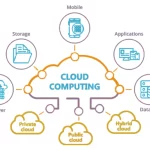
There are four main deployment models, depending on how the cloud is set up and who can access it:
Public Cloud:
Services are delivered over the public internet and shared among multiple users.
Example: AWS, Azure, or Google Cloud.
Ideal for startups or businesses that want flexibility and cost-effectiveness.Private Cloud:
Dedicated infrastructure operated solely for one organization.
Example: VMware or OpenStack-based private clouds.
Suitable for companies needing high security or compliance (like banks or government agencies).Hybrid Cloud:
Combines public and private clouds, allowing data and applications to move between them.
Example: A company stores sensitive data on a private cloud but uses the public cloud for scalability during high traffic.Multi-Cloud:
Uses services from multiple cloud providers to avoid dependency on a single vendor.
Example: Running workloads on both AWS and Azure for redundancy and performance optimization.
What is Cloud Computing in Simple Terms
Real-Life Examples of Cloud Computing
Let’s make things concrete with real-world examples:
Example 1: Netflix
Netflix runs its entire streaming service on Amazon Web Services (AWS).
All the movies and shows you watch are stored and streamed through the cloud. This allows Netflix to handle millions of users worldwide, automatically scaling up servers during peak times.
Example 2: Google Drive
Google Drive is a perfect example of Software as a Service (SaaS).
It lets users upload, store, and share files online. You don’t need to install any special software or carry USB drives — your files are accessible from any device connected to the internet.
Example 3: Dropbox
Dropbox provides cloud-based file synchronization. Your files are stored on remote servers and automatically synchronized across all your devices. If your laptop crashes, your files remain safe in the cloud.
Example 4: Zoom
Zoom uses the cloud to host video conferencing services. All meeting data is processed and delivered through cloud infrastructure, allowing millions of people to communicate simultaneously across the globe.
Example 5: Tesla
Tesla uses cloud computing to manage data from thousands of vehicles in real time. The data is used for software updates, navigation improvements, and autonomous driving algorithms — all processed through the cloud.
What is Cloud Computing in Simple Terms
Benefits of Cloud Computing
Cost Efficiency:
No need to buy or maintain expensive servers. You only pay for what you use.Scalability:
Easily scale resources up or down depending on your needs.Accessibility:
Access files and applications from anywhere with an internet connection.Security:
Cloud providers invest heavily in security features like encryption, firewalls, and compliance certifications.Disaster Recovery:
Cloud services offer automatic backup and recovery options, protecting data from loss or damage.Automatic Updates:
Software and security updates are managed automatically by the provider.Environmental Sustainability:
Shared resources mean less hardware waste and better energy efficiency.
What is Cloud Computing in Simple Terms
Common Challenges of Cloud Computing
While cloud computing offers many advantages, it’s not without challenges:
Downtime Risks: If the cloud provider experiences outages, your services might be affected.
Data Privacy Concerns: Sensitive information stored on external servers can raise security concerns if not properly managed.
Vendor Lock-In: Moving your data or apps from one cloud provider to another can be complex.
Compliance Issues: Some industries (like healthcare or finance) require strict data regulations.
What is Cloud Computing in Simple Terms
The Future of Cloud Computing
The future of cloud computing looks brighter than ever, with technologies like edge computing, serverless architecture, and artificial intelligence integration shaping the next wave of innovation.
Edge Computing: Processing data closer to where it’s generated, reducing latency.
Serverless Computing: Developers can run code without managing servers, improving flexibility and reducing costs.
AI and Machine Learning in the Cloud: Providers like AWS, Google Cloud, and Azure offer AI tools to help businesses analyze massive datasets quickly.
By 2030, it’s expected that nearly 90% of global organizations will rely entirely on cloud-based infrastructure.
What is Cloud Computing in Simple Terms
Conclusion
So, What is Cloud Computing in Simple Terms?
In essence, cloud computing is a revolutionary way to access computing resources over the internet — scalable, cost-effective, and available anytime, anywhere. From watching Netflix to backing up your photos on Google Drive, cloud computing powers much of what we do online every day.
Whether you’re a business owner looking to optimize costs, a developer building applications, or a regular user streaming music, you’re already benefiting from the cloud — often without even realizing it.
Cloud computing is not just the future — it’s the present, and it’s reshaping the digital world as we know it.
What is Cloud Computing in Simple Terms