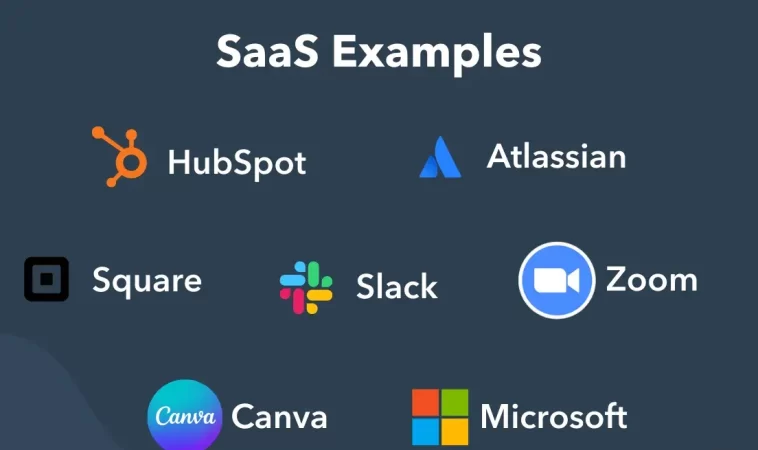
What Is SaaS Examples
What Is SaaS? Definition, Business Value, and Real-World Examples
Software as a Service (SaaS) has fundamentally transformed how individuals and organizations use software. Instead of installing applications on local computers or maintaining expensive servers in on-premises data centers, users can now access powerful software directly through the internet. This shift has not only changed IT operations but has also reshaped business models, enabling faster innovation, global collaboration, and more predictable costs.
SaaS represents the highest layer of cloud computing services, where the cloud provider manages the entire technology stack — from infrastructure and operating systems to application updates and security. Users simply log in through a web browser or lightweight client and begin working. To understand why SaaS has become so dominant, it is essential to explore how it works, why it matters, and what some of the most impactful real-world SaaS examples look like across industries.
Understanding Software as a Service (SaaS)
Software as a Service is a cloud delivery model in which applications are hosted by a provider and made available to customers over the internet on a subscription basis. Unlike traditional software that requires installation, licensing management, and manual updates, SaaS applications are centrally maintained and continuously updated by the vendor.
This means organizations no longer need to manage hardware, operating systems, or application patches. The SaaS provider handles uptime, scalability, data protection, and performance optimization. Users access the software from virtually any device with an internet connection, making SaaS especially valuable in today’s remote and hybrid work environments.
SaaS applications typically follow a multi-tenant architecture, where multiple customers share the same underlying infrastructure while keeping their data logically separated. This architecture allows providers to deliver services efficiently at scale, reducing costs for both vendors and customers.
What Is SaaS Examples
Key Characteristics of SaaS
Several defining features distinguish SaaS from traditional software and other cloud service models:
SaaS applications are web-based and accessible from anywhere, allowing users to work from offices, homes, or mobile devices. They operate on a subscription pricing model, which replaces large upfront licensing fees with predictable recurring costs.
Automatic updates are another core advantage. Users always run the latest version of the software without needing to install patches or upgrade systems. SaaS also offers scalability on demand, enabling businesses to add or remove users and features as needs change.
Security and compliance are handled at the provider level, often with enterprise-grade controls such as encryption, backup, identity management, and monitoring — capabilities that many small and medium businesses could not afford independently.
What Is SaaS Examples
Business Value of SaaS
The rise of SaaS is driven by strong business benefits. First, it reduces the burden on internal IT teams, allowing them to focus on strategic initiatives rather than maintenance tasks. Second, it accelerates deployment; new tools can be rolled out in hours rather than months.
SaaS also supports innovation by making advanced capabilities accessible to organizations of all sizes. Startups can use the same powerful business tools as global enterprises without building complex IT infrastructure. Additionally, SaaS fosters collaboration by enabling real-time access to shared data and documents from anywhere in the world.
Financially, SaaS shifts spending from capital expenditure to operational expenditure, improving budget flexibility and reducing financial risk.
What Is SaaS Examples
What Is SaaS Examples
Categories and Examples of SaaS Applications
SaaS spans nearly every business function. Below are major categories along with leading examples that demonstrate how SaaS delivers value in real-world scenarios.
1. Productivity and Collaboration SaaS
One of the most familiar SaaS categories includes tools that support communication and teamwork.
Microsoft 365 provides cloud-based versions of Word, Excel, PowerPoint, Outlook, and Teams. Organizations use it to create documents, manage email, host video meetings, and collaborate in real time. Since everything is stored in the cloud, teams can work on the same files simultaneously from different locations.
Google Workspace offers similar capabilities through Gmail, Google Docs, Sheets, Slides, and Google Meet. Its real-time editing and automatic saving have made it especially popular among distributed teams and educational institutions.
Slack is another example, focusing on team messaging and workflow integration. It centralizes communication, integrates with hundreds of other SaaS tools, and reduces reliance on email.
These platforms demonstrate how SaaS enhances productivity by enabling seamless collaboration regardless of geography.
What Is SaaS Examples
2. Customer Relationship Management (CRM) SaaS
CRM platforms are among the most successful SaaS applications because they centralize customer data and sales processes.
Salesforce is a leading SaaS CRM that helps businesses track leads, manage customer interactions, automate marketing campaigns, and generate analytics. Sales teams can access customer histories and forecasts from anywhere, improving decision-making and responsiveness.
HubSpot provides CRM alongside marketing automation, email tracking, and customer service tools. Its integrated approach allows businesses to manage the full customer lifecycle within one cloud platform.
These systems illustrate how SaaS can transform revenue operations by connecting data, automation, and analytics in a single environment.
What Is SaaS Examples
3. Communication and Video Conferencing SaaS
Remote work has accelerated demand for SaaS communication tools.
Zoom delivers video conferencing, webinars, and online meetings entirely from the cloud. Its ease of use and scalability made it essential for businesses, schools, and healthcare providers.
Microsoft Teams combines video meetings with chat, file sharing, and collaboration tools, all integrated within the Microsoft 365 ecosystem.
These platforms show how SaaS enables real-time communication without the need for complex on-premises conferencing infrastructure.
What Is SaaS Examples
4. Finance and Accounting SaaS
Financial management has also moved to the cloud through SaaS platforms.
QuickBooks Online helps small and medium businesses manage accounting, invoicing, payroll, and expense tracking. Because it runs in the browser, accountants and business owners can access financial data securely from anywhere.
Xero offers similar capabilities with strong reporting and integration features, making it popular with global startups and service firms.
By automating financial workflows and centralizing data, SaaS accounting platforms reduce errors and improve visibility into business performance.
What Is SaaS Examples
5. Human Resources and Workforce SaaS
HR departments increasingly rely on SaaS for employee management.
Workday provides cloud-based human capital management, payroll, recruiting, and financial planning. Enterprises use it to manage workforce data, compliance, and performance analytics.
BambooHR focuses on small and mid-sized businesses, offering employee records, time tracking, onboarding workflows, and performance management.
These systems streamline administrative tasks and provide real-time insights into workforce trends.
What Is SaaS Examples
6. Project Management and Development SaaS
Project and workflow management tools are another major SaaS category.
Asana helps teams organize tasks, set deadlines, and track progress across projects. Its cloud-based dashboards provide visibility into workloads and milestones.
Trello uses visual boards and cards to manage tasks, making it popular for agile teams and creative workflows.
Jira, widely used in software development, supports agile methodologies, bug tracking, and sprint planning.
These platforms highlight how SaaS supports structured collaboration and project transparency.
What Is SaaS Examples
7. E-Commerce and Business Operations SaaS
Retail and online businesses benefit from SaaS platforms that handle transactions and storefronts.
Shopify allows businesses to create online stores, manage inventory, process payments, and track orders without building custom infrastructure.
Stripe provides cloud-based payment processing APIs that enable secure online transactions for startups and enterprises alike.
These SaaS solutions lower the barrier to entry for digital commerce.
What Is SaaS Examples
Security and Compliance in SaaS
Because SaaS providers host customer data, they invest heavily in security measures such as encryption, intrusion detection, identity management, and regular compliance audits. Many SaaS vendors meet international standards like ISO certifications or industry-specific regulations.
However, customers also share responsibility by managing user access, strong authentication, and data governance policies.
What Is SaaS Examples
The Future of SaaS
The SaaS landscape continues evolving with artificial intelligence, automation, and deeper integration between platforms. AI-driven features such as predictive analytics, intelligent assistants, and automated workflows are becoming standard in modern SaaS tools.
Vertical SaaS — solutions tailored to specific industries like healthcare, legal services, or construction — is also expanding, offering specialized features beyond generic platforms.
As cloud infrastructure grows more powerful, SaaS applications will become even more intelligent, integrated, and accessible.
What Is SaaS Examples
Conclusion
Software as a Service has redefined how software is delivered, accessed, and maintained. By eliminating the need for on-premises infrastructure and manual updates, SaaS enables organizations to focus on productivity, collaboration, and innovation.
From productivity suites like Microsoft 365 and Google Workspace to CRM leaders like Salesforce and communication tools like Zoom, SaaS applications now power nearly every aspect of modern business operations. Their scalability, accessibility, and cost efficiency make them indispensable in a cloud-first world.
As digital transformation accelerates, SaaS will remain at the forefront of business technology, continuing to shape how organizations work, compete, and grow in the global economy.
What Is SaaS Examples