Examples of PaaS
Examples of PaaS: Leading Platform as a Service Solutions in Cloud Computing
As businesses continue moving toward cloud-based development, Platform as a Service (PaaS) has become one of the most important cloud computing models. PaaS provides developers with a complete environment to build, test, deploy, and manage applications — without worrying about servers, storage, networking, or operating systems.
Instead of spending time configuring infrastructure, development teams can focus on writing code and delivering new features faster. In this professional guide, we’ll explore what PaaS is, why it matters, and detailed examples of leading PaaS platforms used around the world.
Examples of PaaS
What Is PaaS (Platform as a Service)?
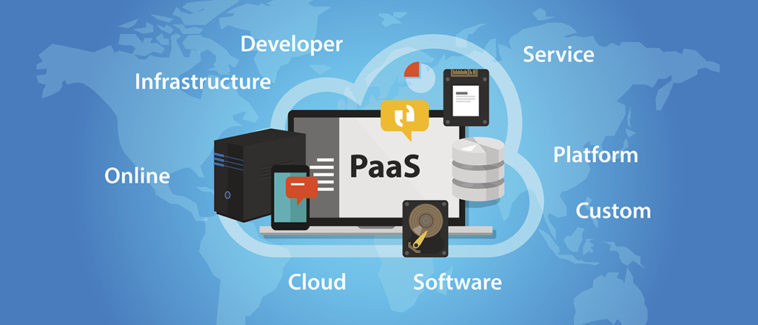
Platform as a Service (PaaS) is a cloud computing model that provides a platform allowing developers to build, deploy, and manage applications without worrying about infrastructure management. PaaS simplifies the development process, accelerates time to market, and enables innovation. In this article, we’ll explore some examples of PaaS that are revolutionizing the digital landscape.
This platform includes:
Operating systems
Development frameworks
Databases
Middleware
Runtime environments
DevOps tools
The cloud provider manages the infrastructure and platform layers, while users manage their applications and data.
Why PaaS Is Important
PaaS has become a preferred solution for modern software development because it offers:
Faster development cycles
Reduced infrastructure management
Built-in scalability
Lower upfront costs
Support for remote and distributed teams
Examples of PaaS
Now, let’s explore real-world examples of PaaS platforms that power applications used by millions of people.
1. Microsoft Azure App Service
Microsoft Azure’s App Service is a robust PaaS offering for building web and mobile applications. It supports .NET, Java, Node.js, and Python, making it suitable for a wide range of developers. With features like automatic scaling and DevOps integration, it streamlines the development process.
Azure App Service is a fully managed PaaS offering from Microsoft that allows developers to build and host web apps, REST APIs, and mobile backends.
Key Features
Supports multiple languages (C#, Java, Python, Node.js, PHP)
Automatic scaling based on demand
Integrated DevOps tools
Built-in authentication and security
Seamless integration with Azure databases and services
Use Cases
Enterprise web applications
E-commerce platforms
API development
Internal business tools
Azure App Service is especially popular among organizations already using Microsoft technologies.
2. Google App Engine:
Google App Engine is Google Cloud’s PaaS offering that allows developers to run applications on Google’s global infrastructure and to build highly scalable applications without managing the underlying infrastructure. It supports popular languages like Python, Java, and Go. App Engine automatically handles tasks like load balancing, scaling, and security.
Key Features
Fully managed environment
Automatic scaling and load balancing
Support for Python, Java, Go, Node.js, PHP, and Ruby
Built-in monitoring and logging
Use Cases
High-traffic web applications
Startups needing rapid scalability
Global applications requiring low latency
Google App Engine is known for its ability to scale applications automatically with minimal configuration.
3. AWS Elastic Beanstalk
Elastic Beanstalk, part of Amazon Web Services (AWS), simplifies application deployment and management of applications. Developers can deploy applications in multiple languages, and AWS takes care of infrastructure provisioning. It’s a great choice for those already using AWS services.
Key Features
Supports Java, .NET, PHP, Python, Ruby, Node.js, and Docker
Automatic capacity provisioning
Health monitoring and logging
Integration with AWS services like RDS and S3
Use Cases
Web applications
Microservices architectures
Development and testing environments
Elastic Beanstalk is ideal for developers who want PaaS simplicity while still having access to AWS infrastructure services.
4. Heroku
Heroku is a fully managed PaaS that simplifies application deployment. It supports multiple programming languages, including Ruby, Python, and Node.js. Developers love Heroku for its ease of use and scalability. It abstracts infrastructure management, allowing developers to focus on writing code. Heroku is one of the earliest and most developer-friendly PaaS platforms. It is known for its simplicity and strong support for modern development workflows.
Key Features
Git-based deployment
Add-ons marketplace (databases, monitoring, caching)
Supports multiple programming languages
Easy scaling with simple commands
Use Cases
Startup applications
Prototypes and MVPs
SaaS products
Developer experiments
Heroku is especially popular among startups and small teams because of its ease of use.
Examples of PaaS
5. Red Hat OpenShift
OpenShift, developed by Red Hat, is an open-source container platform. It provides Kubernetes-based orchestration for containerized applications. OpenShift is an ideal choice for organizations embracing containerization and microservices.
Key Features
Built on Kubernetes for container orchestration
Supports CI/CD pipelines
Advanced security features
Hybrid and multi-cloud deployment support
Use Cases
Enterprise microservices
Container-based applications
DevOps automation
OpenShift is widely used in large enterprises that require high control and security.
Examples of PaaS
6. IBM Cloud Foundry:
IBM offers a PaaS solution based on Cloud Foundry, an open-source PaaS platform. That offers a PaaS environment for building, deploying, and managing applications. It supports various programming languages and provides extensive tooling for DevOps and automation. It’s a secure and flexible option for enterprises.
Key Features
Multi-language support
Integration with IBM Watson AI services
DevOps toolchain support
High availability and scalability
Use Cases
AI-powered applications
Enterprise business solutions
API development
IBM Cloud Foundry is often chosen by organizations investing in AI and enterprise integration.
Examples of PaaS
7. Oracle Cloud Platform (Oracle PaaS)
Oracle Cloud Platform offers a comprehensive PaaS suite with support for various languages and databases. It’s an excellent choice for businesses that rely on Oracle technologies.Oracle provides a range of PaaS services designed for enterprise workloads.
Key Features
Java application development
Database-driven applications
Integration with Oracle Autonomous Database
Strong enterprise security
Use Cases
ERP and enterprise applications
Database-heavy workloads
Business analytics platforms
Oracle PaaS is a natural choice for companies already using Oracle products.
Examples of PaaS
8. SAP Business Technology Platform (SAP BTP)
SAP BTP Cloud Platform is a unique PaaS solution designed for building applications that integrate with SAP systems and analytics for SAP environments. It’s a strategic choice for businesses using SAP’s enterprise software.
Key Features
Application development tools
Integration with SAP systems
Database and analytics services
Workflow automation
Use Cases
SAP extensions
Business process automation
Enterprise analytics
It is widely used in industries relying on SAP ERP systems.
9. Salesforce Platform (Force.com)
Salesforce’s App Cloud is a PaaS offering tailored for building enterprise applications. It integrates with Salesforce’s CRM platform, making it easier to create apps that work seamlessly with customer data.
Key Features
Low-code and no-code development tools
Integration with Salesforce CRM
Cloud database services
App marketplace
Use Cases
CRM extensions
Customer service apps
Sales automation tools
This platform is ideal for organizations heavily invested in Salesforce.
Examples of PaaS
10. Mendix
Mendix is a low-code PaaS platform that enables rapid application development with minimal coding.
Key Features
Visual application development
Collaboration tools for developers and business users
Cloud deployment options
Integration with enterprise systems
Use Cases
Rapid enterprise app development
Internal business tools
Workflow applications
Low-code PaaS platforms like Mendix help bridge the gap between IT and business teams.
11. Dokku:
Dokku is an open-source PaaS that brings Heroku-like simplicity to your infrastructure. It’s lightweight and perfect for small to medium-sized projects where you want PaaS benefits without vendor lock-in.
Examples of PaaS
How to Choose the Right PaaS Platform
Selecting the right PaaS depends on your specific project requirements, budget, and existing technology stack. Consider factors like supported programming languages, scalability, ease of use, and integration with your current tools.
Whether you’re a startup looking for rapid development or an enterprise seeking to streamline your application deployment process, PaaS examples like Heroku, Google App Engine, and Azure App Service offer powerful solutions. Evaluate your needs, explore these PaaS platforms, and harness the potential of cloud-based development to drive innovation in your organization. PaaS is the gateway to building scalable, efficient, and modern applications that can thrive in today’s digital landscape.
Examples of PaaS
Choosing the Right PaaS
Selecting the right PaaS depends on several factors:
Programming Language Support
Choose a platform that supports your development stack.
Integration Needs
Ensure compatibility with databases, APIs, and existing enterprise systems.
Scalability Requirements
Consider expected user growth and traffic.
Compliance and Security
Industries like healthcare and finance need strict regulatory compliance.
Cost Structure
Evaluate pricing models, including compute, storage, and add-ons.
Examples of PaaS
Benefits of Using PaaS Platforms
Across all examples, PaaS platforms offer common advantages:
Reduced infrastructure management
Faster time to market
Built-in security and updates
Easy scaling
Collaboration-friendly development environments
Examples of PaaS
Future of PaaS Platforms
PaaS continues evolving with trends such as:
AI-powered development tools
Serverless computing integration
Multi-cloud compatibility
Enhanced automation
Edge computing support
These advancements will make PaaS even more powerful for modern applications.
Examples of PaaS
Conclusion
Platform as a Service plays a crucial role in modern cloud computing by simplifying application development and deployment. From Azure App Service and Google App Engine to Heroku, OpenShift, and Salesforce Platform, PaaS solutions serve a wide range of industries and use cases.
Each platform has its strengths — some focus on developer simplicity, others on enterprise scalability or low-code innovation. By understanding these examples of PaaS, organizations can choose the right solution to accelerate development, reduce operational complexity, and drive digital transformation.
As cloud technology continues advancing, PaaS will remain a foundation for building the next generation of scalable, intelligent, and globally accessible applications.