Examples of Public Cloud Computing
Public cloud computing has become a cornerstone of modern IT infrastructure, enabling businesses, governments, and individuals to access scalable computing resources over the internet. Unlike private clouds, which are dedicated to a single organization, public clouds provide services to multiple users on shared infrastructure. This article explores examples of public cloud computing, its benefits, real-world applications, and how organizations leverage it to drive innovation and efficiency.
Examples of Public Cloud Computing
What is Public Cloud Computing?
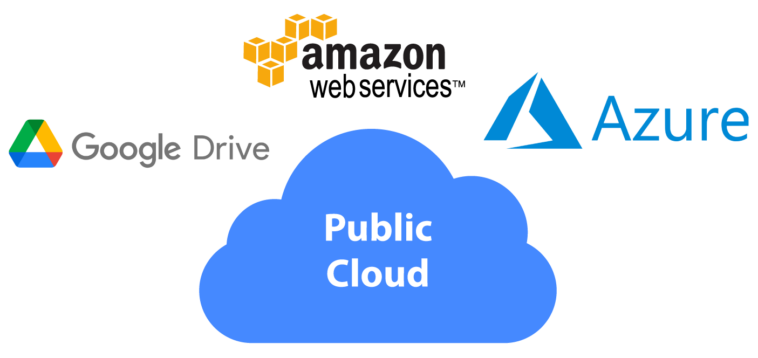
Public cloud computing refers to computing services—such as storage, servers, and applications—provided over the internet by third-party vendors. Users can access these resources on-demand without investing in physical infrastructure. Public clouds are highly scalable, cost-effective, and managed by cloud providers, allowing organizations to focus on their core business rather than IT management.
Key Features of Public Cloud Computing:
Shared Resources: Infrastructure is shared among multiple customers.
Scalability: Resources can be scaled up or down according to demand.
Pay-As-You-Go: Users pay only for the resources they consume.
Accessibility: Services are accessible from anywhere with an internet connection.
Managed Services: Providers handle maintenance, updates, and security.
Examples of Public Cloud Computing
Public Cloud Service Models
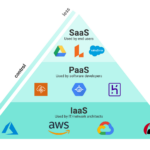
Public cloud services are delivered in three main models: Infrastructure as a Service (IaaS), Platform as a Service (PaaS), and Software as a Service (SaaS). Each model offers different levels of control, flexibility, and management.
1. Infrastructure as a Service (IaaS)
IaaS provides virtualized computing resources such as servers, storage, and networking over the internet. Users manage operating systems, applications, and middleware, while the provider handles the underlying infrastructure.
Examples of IaaS in Public Cloud:
Amazon Web Services (AWS) EC2: Provides on-demand virtual servers for computing-intensive workloads.
Microsoft Azure Virtual Machines: Offers scalable VMs for running applications, hosting websites, or processing data.
Google Cloud Compute Engine: Delivers virtual machines with customizable CPU, memory, and storage.
Use Cases:
Hosting websites and web applications.
Big data processing and analytics.
Development and testing environments.
2. Platform as a Service (PaaS)
PaaS offers a complete development platform, including operating systems, databases, middleware, and development tools, enabling developers to build, test, and deploy applications without managing underlying infrastructure.
Examples of PaaS in Public Cloud:
Google App Engine: Allows developers to build scalable web applications without managing servers.
Microsoft Azure App Services: Provides tools for web and mobile app development and deployment.
Heroku: A cloud platform supporting multiple programming languages for rapid application deployment.
Use Cases:
Developing web and mobile applications.
API integration and management.
Continuous integration and deployment pipelines.
3. Software as a Service (SaaS)
SaaS delivers fully functional software applications over the internet, accessible through web browsers or mobile apps. Users do not need to install or maintain software, as the provider manages everything from infrastructure to updates.
Examples of SaaS in Public Cloud:
Google Workspace (Gmail, Docs, Drive): Cloud-based productivity tools for collaboration and communication.
Microsoft 365: Online versions of Word, Excel, and Outlook for businesses and individuals.
Salesforce: Customer relationship management (CRM) software accessible from any device.
Use Cases:
Email and collaboration platforms.
Enterprise resource planning (ERP) systems.
Customer relationship management (CRM) solutions.
Examples of Public Cloud Computing
Popular Public Cloud Providers and Their Examples
Several major cloud providers dominate the public cloud market, offering a wide range of services and solutions:
1. Amazon Web Services (AWS)
AWS is the largest public cloud provider, offering a comprehensive suite of services:
IaaS: EC2, S3 (storage), and VPC (networking).
PaaS: AWS Elastic Beanstalk for app deployment.
SaaS: Amazon Chime for communication.
Example in Real Life: Netflix uses AWS to stream videos globally, leveraging IaaS for scalable compute power and storage.
2. Microsoft Azure
Azure is widely used for hybrid cloud solutions and enterprise applications:
IaaS: Azure Virtual Machines and Blob Storage.
PaaS: Azure App Services for application hosting.
SaaS: Dynamics 365 for business management.
Example in Real Life: Adobe uses Azure to deliver Creative Cloud services to millions of users worldwide.
3. Google Cloud Platform (GCP)
GCP focuses on data-driven applications and analytics:
IaaS: Compute Engine and Cloud Storage.
PaaS: Google App Engine for app development.
SaaS: Google Workspace for productivity.
Example in Real Life: Spotify leverages GCP for data analytics and recommendation algorithms.
4. IBM Cloud
IBM Cloud specializes in AI and enterprise solutions:
IaaS: IBM Virtual Servers.
PaaS: IBM Cloud Foundry for application development.
SaaS: Watson AI services.
Example in Real Life: American Airlines uses IBM Cloud to optimize flight operations and customer services.
Examples of Public Cloud Computing
Benefits of Public Cloud Computing
Cost Savings: Eliminates the need for physical infrastructure and reduces maintenance costs.
Scalability: Resources can be adjusted according to traffic and workload demands.
Accessibility: Enables remote work and global collaboration.
Security: Leading providers offer advanced security measures, including encryption and access control.
Disaster Recovery: Built-in redundancy ensures business continuity during outages.
Examples of Public Cloud Computing
Real-World Examples of Public Cloud Computing
Netflix: Uses AWS for streaming video, storage, and analytics.
Spotify: Uses Google Cloud for data processing and recommendations.
Dropbox: Relies on AWS for cloud storage and collaboration.
Zoom: Operates as a SaaS on public cloud infrastructure to deliver video conferencing globally.
These examples highlight the versatility and efficiency of public cloud computing across industries, from entertainment to finance and healthcare.
Public vs. Private Cloud
While public clouds offer cost efficiency and scalability, private clouds are dedicated to a single organization, offering more control and security. Many organizations adopt hybrid cloud strategies, combining public and private clouds to optimize performance, security, and cost.
Examples of Public Cloud Computing
Best Practices for Using Public Cloud Services
Choose the Right Provider: Consider performance, pricing, compliance, and available services.
Monitor Usage: Track resource consumption to avoid unnecessary costs.
Implement Security Measures: Use encryption, firewalls, and access controls.
Optimize Performance: Utilize CDNs, caching, and load balancing.
Plan for Compliance: Ensure the provider meets regulatory requirements relevant to your industry.
Examples of Public Cloud Computing
Conclusion
Examples of public cloud computing demonstrate how organizations of all sizes leverage cloud technology to innovate, reduce costs, and scale operations efficiently. From IaaS providing virtualized infrastructure, PaaS simplifying application development, to SaaS offering ready-to-use applications, public clouds enable businesses to focus on core objectives while relying on providers for maintenance, security, and scalability.
Leading providers such as AWS, Microsoft Azure, Google Cloud, and IBM Cloud offer robust, flexible solutions for diverse needs, empowering companies to compete in today’s digital landscape. By understanding public cloud services and adopting best practices, organizations can fully harness the potential of cloud computing, enhance operational efficiency, and deliver exceptional experiences to users worldwide.
Examples of Public Cloud Computing