
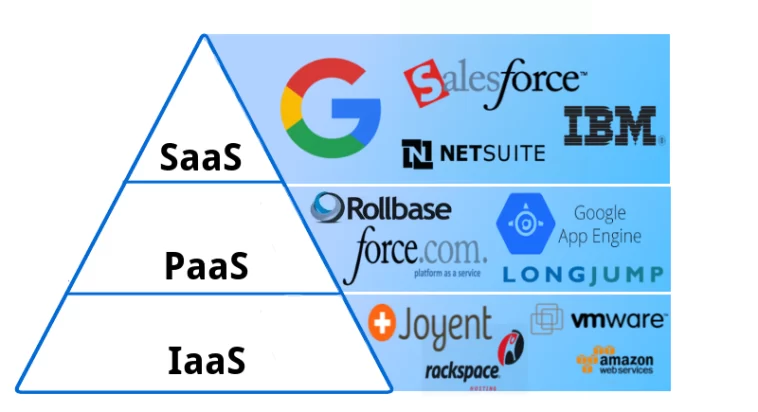
Cloud Services Examples
Cloud computing has emerged as one of the most influential technologies reshaping business operations, IT infrastructure, and digital innovation. Organizations of all sizes—from startups to global enterprises—are leveraging cloud solutions to enhance scalability, reduce operational costs, and accelerate technological transformation. As companies seek to understand the scope of cloud offerings, the question often arises: what are the most relevant cloud services examples, and how do they apply to real-world business needs?
This article explores the concept of cloud services from an academic and analytical perspective. It presents detailed cloud services examples across the three primary service models—Infrastructure as a Service (IaaS), Platform as a Service (PaaS), and Software as a Service (SaaS)—along with additional categories like Function as a Service (FaaS) and Storage as a Service. Through this in-depth analysis, readers will gain clarity on cloud capabilities and how these services support modern digital ecosystems.
Cloud Services
Cloud services refer to the delivery of computing resources over the internet, including servers, storage, databases, networking, analytics, applications, and development platforms. These services eliminate the need for on-premises hardware and reduce the overhead of maintaining physical infrastructure.
When discussing cloud services examples, it is important to understand the three main service models that define the cloud computing landscape:
Infrastructure as a Service (IaaS)
Platform as a Service (PaaS)
Software as a Service (SaaS)
Each model provides different levels of abstraction, management responsibility, and control.
Characteristics of Cloud Services
Before diving into specific cloud services examples, it is essential to identify the defining characteristics that make cloud solutions desirable in modern IT environments:
1 On-Demand Self-Service
Resources can be provisioned automatically without manual intervention from IT teams.
2 Broad Network Access
Services are accessible over the internet from any device, including laptops, mobile phones, and thin clients.
3 Resource Pooling
Cloud providers pool computing resources to serve multiple customers using a multi-tenant model.
4 Rapid Elasticity
Resources scale dynamically according to workload requirements.
5 Measured Service
Customers pay only for what they use through metered billing or pay-as-you-go pricing.
These characteristics enable flexible, cost-efficient, and scalable computing architectures.
Cloud Services Examples: Infrastructure as a Service (IaaS)
IaaS provides virtualized computing resources such as servers, storage, and networking. It is one of the broadest cloud categories and serves as a foundation for more advanced services.
Below are the most notable cloud services examples in the IaaS category:
1 Amazon EC2 (Elastic Compute Cloud)
Amazon Web Services (AWS) offers EC2 as a scalable virtual server hosting solution. It enables businesses to deploy Linux and Windows virtual machines (VMs) on the cloud.
2 Microsoft Azure Virtual Machines
Azure VM instances support various workloads, including enterprise applications, databases, and development environments.
3 Google Compute Engine (GCE)
GCE provides high-performance VMs that can be customized according to CPU, memory, and GPU requirements.
4 Storage Services: Amazon S3, Azure Blob Storage, Google Cloud Storage
These services serve as highly durable and scalable storage solutions for unstructured data.
5 Cloud Networking: AWS VPC, Azure Virtual Network
Networking IaaS offerings enable secure, segmented cloud networks.
6 Load Balancing and Auto Scaling
IaaS cloud services include tools for balancing traffic and scaling compute resources automatically.
7 Disaster Recovery Services
Example: Azure Site Recovery
Organizations use these tools to replicate workloads and maintain business continuity.
Together, these cloud services examples demonstrate how IaaS provides the computational foundation required to run large-scale applications.
Cloud Services Examples: Platform as a Service (PaaS)
PaaS offers a platform for developers to build, test, deploy, and maintain applications without managing underlying infrastructure.
Below are key cloud services examples in the PaaS model:
1 Google App Engine
A fully managed platform for developing and hosting web applications. Developers upload code, and the platform handles scaling automatically.
2 Microsoft Azure App Service
Azure App Service enables developers to deploy web apps, REST APIs, and mobile backends using languages such as .NET, Java, and Python.
3 AWS Elastic Beanstalk
This service simplifies application deployment by automatically handling provisioning, load balancing, and monitoring.
4 Azure SQL Database
A managed relational database service that handles backups, tuning, and scaling without user intervention.
5 Firebase
A mobile and web application development platform offering real-time databases, authentication, and analytics.
6 Heroku
A popular developer platform known for its ease of use and streamlined deployment pipelines.
These cloud services examples illustrate PaaS as a solution that removes infrastructure complexity while empowering developers to focus on code and innovation.
Cloud Services Examples: Software as a Service (SaaS)
SaaS delivers fully functional software applications over the internet. Users access the software through a browser, without installation or maintenance.
Common cloud services examples in the SaaS category include:
1 Google Workspace (formerly G Suite)
Offers cloud-based productivity apps such as Gmail, Docs, Sheets, and Meet.
2 Microsoft 365
Includes web-based versions of Word, Excel, PowerPoint, and Teams.
3 Salesforce
A leading CRM platform for customer relationship management, automation, and marketing tools.
4 Zoom
A cloud-based video conferencing service that supports meetings, webinars, and collaboration.
5 Slack
A team communication and collaboration platform used widely in remote and hybrid workplaces.
6 HubSpot
A marketing, sales, and service automation suite delivered entirely through the cloud.
These SaaS solutions represent some of the most widely used cloud services examples in modern organizations.
Additional Cloud Service Models and Examples
Beyond IaaS, PaaS, and SaaS, cloud computing includes additional categories with specialized functions.
1 Function as a Service (FaaS)
Allows developers to run event-driven code without provisioning servers.
AWS Lambda
Azure Functions
Google Cloud Functions
2 Backup as a Service
Examples include:
Backblaze
Carbonite
Acronis Cloud Backup
3 Storage as a Service StaaS
Cloud storage options beyond traditional IaaS:
Dropbox
Box
OneDrive
4 Database as a Service (DBaaS)
Example platforms include:
Amazon RDS
Azure Database for PostgreSQL
MongoDB Atlas
These specialized cloud services examples show how the cloud ecosystem extends into highly focused services.
Real-World Use Cases of Cloud Services
Understanding cloud services examples also requires examining how these services solve real problems in different industries.
1 Healthcare
Cloud-hosted Electronic Health Records (EHRs)
Telemedicine platforms
Secure data sharing across clinics
2 Finance
Automated fraud detection using cloud AI services
Scalable digital banking applications
3 Education
Virtual classrooms and e-learning management
On-demand computing resources for students
4 E-Commerce
Scalable web hosting during peak seasons
Inventory management and analytics on cloud platforms
5 Manufacturing
IoT-connected factory machines
Predictive maintenance using cloud AI/ML
Cloud services are essential tools that support digital transformation across industries.
Benefits of Using Cloud Services
Businesses rely on the cloud because of its significant advantages:
1 Cost Reduction
Pay-as-you-go pricing eliminates large upfront infrastructure costs.
2 Global Scalability
Cloud services scale instantly with demand.
3 Enhanced Security
Cloud providers employ advanced security protocols, encryption, and compliance certifications.
4 Mobility and Flexibility
Employees can access cloud services anywhere.
5 Innovation Enablement
Cloud platforms accelerate:
AI
Machine learning
DevOps
Automation
These benefits highlight why organizations seek cloud services examples before adopting a cloud strategy.
Challenges of Cloud Services
While cloud technology offers many advantages, it also presents challenges:
Vendor lock-in
Data privacy concerns
Compliance complexities
Dependence on internet connectivity
Cost overruns if usage is not monitored
Understanding these challenges helps organizations make informed decisions.
Conclusion
Cloud computing continues to redefine how organizations operate, innovate, and scale in the digital age. By exploring various cloud services examples, from IaaS and PaaS to SaaS and FaaS, businesses can understand the full potential of cloud-based solutions. These examples demonstrate that cloud services are not merely technological conveniences—they are strategic tools that drive efficiency, security, collaboration, and long-term growth.
As digital transformation accelerates, the demand for robust, scalable, and intelligent cloud services will continue to rise. Organizations that understand and adopt the right cloud services examples will be better positioned to compete in an increasingly digital world.