What are the Disadvantages of Cloud Computing?
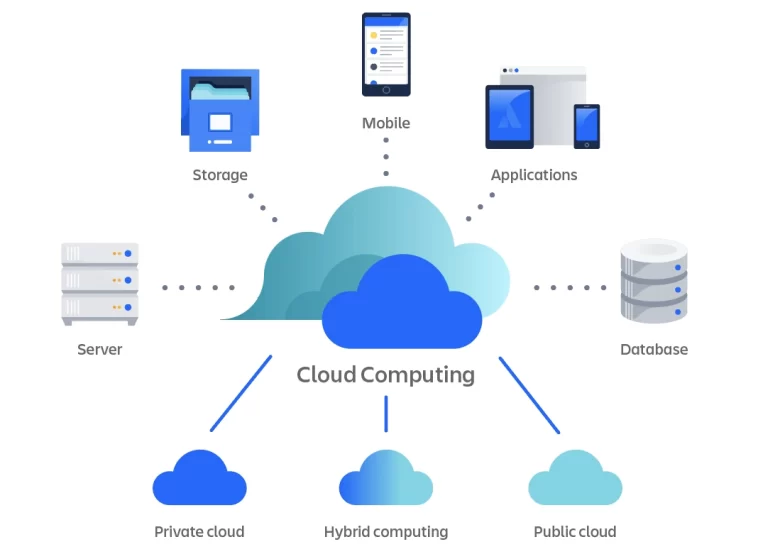
Cloud computing has transformed the way organizations and individuals use technology. By providing on-demand access to computing resources over the internet, cloud services enable scalability, flexibility, and cost efficiency. Major cloud platforms such as Amazon Web Services (AWS), Microsoft Azure, and Google Cloud have made it easier than ever to deploy applications, store data, and manage IT infrastructure.
However, despite these advantages, cloud computing is not without drawbacks. Businesses considering migration to the cloud must understand the potential disadvantages, as these can impact performance, security, cost, and compliance. In this article, we will examine the most significant disadvantages of cloud computing, analyze their causes, and discuss scenarios where these issues are most critical.
What are the Disadvantages of Cloud Computing?
What are the Disadvantages of Cloud Computing?
1. Dependency on Internet Connectivity
One of the most fundamental limitations of cloud computing is dependence on internet connectivity. Cloud services require a stable, high-speed internet connection to access applications, databases, and storage resources. Any network disruption can interrupt access to critical services, halting business operations.
In regions with limited connectivity or frequent outages, cloud computing may not be practical. Even temporary slowdowns in network speed can degrade performance for data-intensive applications such as video rendering, real-time analytics, or virtual desktop environments. Organizations must therefore invest in reliable internet infrastructure and redundancy plans, which can increase overall costs.
2. Security and Privacy Concerns
While cloud providers invest heavily in security, cloud computing inherently introduces new security and privacy risks. Data is stored and processed on servers owned and managed by third-party providers, creating potential vulnerabilities.
Some common security concerns include:
Data breaches: Unauthorized access to cloud-hosted data can expose sensitive information such as customer records, financial data, or intellectual property.
Shared resources: Multi-tenancy architectures, where multiple clients share the same physical servers, can lead to accidental data leakage if isolation mechanisms fail.
Compliance risks: Certain industries require strict data residency or regulatory compliance (e.g., healthcare HIPAA regulations or financial GDPR rules). Using public cloud services can complicate adherence to these rules.
While providers offer encryption, identity management, and audit tools, the ultimate responsibility for secure configurations often remains with the customer, increasing the risk of human error.
What are the Disadvantages of Cloud Computing?
3. Limited Control and Flexibility
When using cloud computing services, organizations often relinquish direct control over the infrastructure. Unlike on-premises data centers, where IT teams can configure hardware, storage, and network settings, cloud users operate within the constraints defined by the provider.
This can lead to several challenges:
Vendor lock-in: Proprietary APIs and platform-specific services make migration to another provider difficult and costly.
Configuration limitations: Customizing servers, network topologies, or specialized hardware can be challenging in standard cloud environments.
Dependency on provider updates: Users must accept provider-enforced updates, which may disrupt applications or change service features.
Organizations with highly specialized workloads or regulatory requirements may find these limitations restrictive, requiring hybrid or private cloud solutions to maintain control.
4. Downtime and Reliability Issues
Despite high levels of redundancy and fault-tolerance, cloud services are not immune to downtime. Outages at major providers like AWS, Microsoft Azure, or Google Cloud, though rare, have occurred and caused widespread disruptions.
Downtime can be caused by:
Hardware failures or data center issues
Software bugs or misconfigurations
Network congestion or disruptions
For mission-critical applications, even a few minutes of downtime can result in financial losses, damaged reputation, and operational delays. Organizations must implement disaster recovery strategies and backup solutions to mitigate downtime risks, which may increase complexity and cost.
What are the Disadvantages of Cloud Computing?
5. Potential High Costs
Cloud computing is often marketed as a cost-saving solution because it eliminates the need for upfront hardware investments. However, cloud costs can escalate rapidly due to pay-as-you-go pricing models, hidden fees, and resource mismanagement.
Factors that can increase costs include:
Over-provisioning: Allocating more compute or storage than necessary leads to higher monthly bills.
Data transfer fees: Moving large volumes of data between regions or out of the cloud can be expensive.
Premium services: Advanced features such as GPU instances, high-performance databases, or managed services often come with significant incremental costs.
Without careful monitoring, budgeting, and cost optimization, cloud adoption can exceed expectations, especially in large-scale enterprise deployments.
What are the Disadvantages of Cloud Computing?
What are the Disadvantages of Cloud Computing?
6. Data Transfer and Bandwidth Limitations
Cloud computing requires moving data between local systems and cloud servers. For organizations dealing with massive datasets, such as video production companies, research institutions, or big data analytics firms, transferring data to and from the cloud can be time-consuming and expensive.
Bandwidth limitations can lead to:
Slow uploads and downloads
Increased latency for applications requiring real-time data access
Bottlenecks in hybrid cloud environments where on-premises and cloud resources must communicate
Organizations often need to invest in high-speed connectivity or edge computing solutions to address these limitations, which can reduce some of the financial benefits of cloud migration.
What are the Disadvantages of Cloud Computing?
What are the Disadvantages of Cloud Computing?
7. Compatibility and Integration Challenges
Not all legacy applications are cloud-ready. Migrating existing systems to the cloud can introduce compatibility issues, particularly for complex or monolithic applications.
Some common challenges include:
Operating system dependencies: Older applications may rely on outdated OS or middleware versions that are not fully supported in cloud environments.
Integration with on-premises systems: Enterprises with hybrid environments may struggle to synchronize cloud and local systems, especially when integrating databases, ERP platforms, or custom software.
Third-party software restrictions: Licensing restrictions or unsupported software can limit the ability to fully migrate workloads.
Addressing these challenges may require significant refactoring or redevelopment, which can be costly and time-consuming.
What are the Disadvantages of Cloud Computing?
What are the Disadvantages of Cloud Computing?
8. Limited Performance Control
Cloud computing performance is shared among multiple users and governed by the provider’s infrastructure. Organizations may experience performance variability, particularly during peak demand periods.
Multi-tenant servers may introduce latency when resources are shared among many clients.
Cloud instances may not offer the same level of predictability as dedicated on-premises hardware.
For high-performance computing tasks like simulations, real-time analytics, or GPU-intensive workloads, the cloud may not always meet performance requirements.
Proper instance selection, autoscaling configurations, and performance monitoring are required to mitigate these issues.
What are the Disadvantages of Cloud Computing?
What are the Disadvantages of Cloud Computing?
9. Legal and Jurisdictional Concerns
Cloud computing often raises questions about data jurisdiction and compliance. When data is stored across multiple geographic locations, it may be subject to different legal frameworks.
Examples include:
Data sovereignty laws: Some countries require certain data to remain within national borders.
Cross-border data transfer regulations: GDPR and similar regulations impose restrictions on transferring personal data internationally.
Contractual obligations: Cloud providers’ terms of service may limit liability in case of data loss or breaches.
Legal constraints can complicate cloud adoption, especially for organizations in regulated sectors such as healthcare, finance, and government.
What are the Disadvantages of Cloud Computing?
10. Dependency on Provider Viability
Relying on a single cloud provider introduces business continuity risks. If the provider experiences financial difficulties, changes pricing models, or discontinues certain services, organizations may be forced to migrate to alternative platforms quickly.
Switching providers is often complex due to vendor lock-in, data transfer challenges, and service-specific configurations. This dependency highlights the importance of multi-cloud strategies and exit planning.
11. Environmental Impact
While cloud computing consolidates infrastructure and can be more energy-efficient than traditional IT, large-scale data centers consume substantial energy. High power consumption and cooling requirements raise sustainability concerns. Organizations increasingly need to consider green cloud strategies, such as selecting providers with renewable energy initiatives or optimizing workloads for efficiency.
What are the Disadvantages of Cloud Computing?
What are the Disadvantages of Cloud Computing?
Conclusion
Cloud computing offers unparalleled flexibility, scalability, and operational advantages, but it is not without its disadvantages. Organizations must weigh challenges such as dependency on internet connectivity, security risks, limited control, performance variability, legal considerations, and potential high costs before migrating workloads to the cloud.
Understanding these disadvantages is crucial for informed decision-making. Mitigation strategies, including hybrid cloud deployments, multi-cloud adoption, proper security practices, cost monitoring, and disaster recovery planning, can reduce risks while still leveraging the benefits of cloud computing.
In summary, cloud computing is a powerful tool, but its limitations require careful planning, risk management, and ongoing evaluation to ensure it aligns with an organization’s operational, financial, and regulatory goals.
What are the Disadvantages of Cloud Computing?