
What is Cloud Storage Examples, Types, Benefits, and Real-World Use Cases
In today’s digital world, data has become one of the most valuable assets for individuals and organizations alike. From personal photos and documents to enterprise databases and application backups, the need for secure, scalable, and accessible storage has never been greater. This leads many people to ask a fundamental question: What is cloud storage? Examples of cloud storage help explain how it works and why it has become so essential.
This comprehensive guide answers What is Cloud Storage Examples in depth. It explores the concept of cloud storage, its types, popular examples, benefits, challenges, and practical use cases across industries.
What Is Cloud Storage?
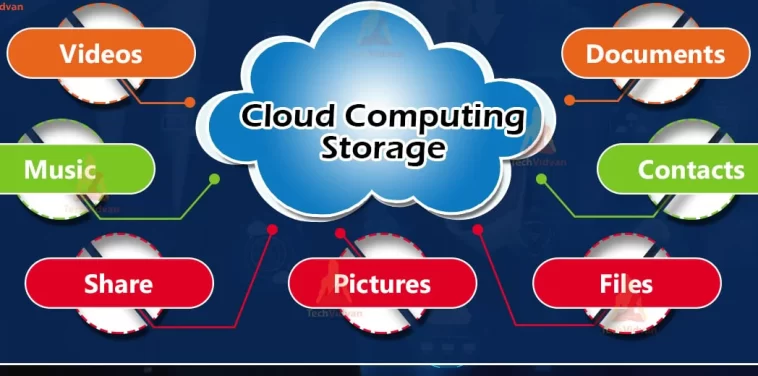
Cloud storage is a technology that allows data to be stored on remote servers managed by third-party providers and accessed over the internet. Instead of saving files on a local hard drive or physical server, users upload their data to cloud platforms, where it is securely stored, replicated, and maintained.
When people ask What is Cloud Storage Examples, they are typically looking for real services that store files, backups, media, and enterprise data in the cloud.
How Cloud Storage Works
Cloud storage providers operate large data centers around the world. These data centers contain servers that store customer data and make it available through secure internet connections.
The process usually works as follows:
A user uploads data via an application or web interface.
The data is encrypted and transmitted to cloud servers.
The provider stores the data across multiple locations for redundancy.
Users can access, modify, or download the data from any device with internet access.
This architecture ensures high availability, durability, and scalability.
What Is Cloud Storage Examples: Popular Cloud Storage Services
To fully understand What is Cloud Storage Examples, it is important to look at real-world services that millions of users rely on daily.
1. Google Drive
Google Drive is one of the most popular cloud storage services worldwide. It allows users to store files, photos, videos, and documents while integrating seamlessly with Google Docs, Sheets, and Slides.
Common uses include:
Personal file storage
Collaboration on documents
Backup of important data
2. Dropbox
Dropbox is a widely used cloud storage platform known for its simplicity and strong file synchronization features.
It is commonly used for:
File sharing between teams
Automatic device backups
Cross-platform access
3. Microsoft OneDrive
OneDrive is Microsoft’s cloud storage service, tightly integrated with Windows and Microsoft 365.
It is often used for:
Business document storage
Collaboration in Microsoft Office apps
Secure enterprise data management
4. Amazon S3 (Simple Storage Service)
Amazon S3 is a highly scalable object storage service designed primarily for businesses and developers.
Use cases include:
Website content storage
Application data storage
Backup and disaster recovery
Amazon S3 is a key answer when discussing What is Cloud Storage Examples in enterprise environments.
5. iCloud
Apple iCloud is a cloud storage solution designed for Apple device users.
It supports:
Photo and video backups
Device synchronization
Application data storage
Types of Cloud Storage
Understanding What is Cloud Storage Examples also requires knowing the different types of cloud storage.
1. Object Storage
Object storage stores data as objects rather than files or blocks.
Examples include:
Amazon S3
Azure Blob Storage
Object storage is ideal for large-scale data, media files, and backups.
2. File Storage
File storage organizes data in a traditional folder structure.
Examples include:
Amazon EFS
Azure Files
Google Filestore
This type is commonly used for shared file systems and enterprise applications.
3. Block Storage
Block storage divides data into blocks and is often used for databases and virtual machines.
Examples include:
Amazon EBS
Azure Managed Disks
Google Persistent Disk
Cloud Storage Deployment Models
Public Cloud Storage
Public cloud storage is hosted by third-party providers and shared across multiple customers.
Examples:
Google Drive
Amazon S3
OneDrive
Private Cloud Storage
Private cloud storage is dedicated to a single organization and can be hosted on-premises or by a provider.
Examples:
Private object storage solutions
Enterprise private cloud platforms
Hybrid Cloud Storage
Hybrid cloud storage combines on-premises storage with public cloud storage.
Examples:
Backup systems that replicate data to the cloud
Disaster recovery solutions
Benefits of Cloud Storage
When discussing What is Cloud Storage Examples, it is equally important to understand why cloud storage is so widely adopted.
Scalability
Cloud storage allows users to increase or decrease storage capacity on demand.
Cost Efficiency
There is no need to invest in physical hardware or maintenance.
Accessibility
Data can be accessed from anywhere with an internet connection.
Security
Most cloud providers offer encryption, access controls, and compliance certifications.
Reliability
Data is often replicated across multiple data centers, ensuring high availability.
Real-World Cloud Storage Use Cases
Personal Use
Photo and video backups
Document storage
Device synchronization
Business Use
File sharing and collaboration
Customer data storage
Application hosting
Education
Student file storage
Online learning platforms
Research data management
Healthcare
Medical record storage
Imaging data archives
Secure data sharing
These examples clearly illustrate What is Cloud Storage Examples in practical terms.
Cloud Storage Security Considerations
Security is a critical concern in cloud storage adoption.
Key security features include:
Data encryption at rest and in transit
Identity and access management
Multi-factor authentication
Regular security audits
Users should also follow best practices such as strong passwords and access controls.
Challenges of Cloud Storage
Despite its advantages, cloud storage has some challenges.
Internet Dependency
Access requires a stable internet connection.
Data Privacy Concerns
Organizations must ensure compliance with data protection regulations.
Long-Term Costs
Large data volumes can lead to higher ongoing storage costs.
Understanding these challenges helps users choose the right storage strategy.
Choosing the Right Cloud Storage Solution
When evaluating What is Cloud Storage Examples for your needs, consider:
Storage capacity requirements
Security and compliance needs
Budget and pricing models
Integration with existing systems
Performance and availability
Different users will require different solutions based on their goals.
Future of Cloud Storage
Cloud storage continues to evolve with new technologies such as:
AI-driven data management
Edge computing integration
Improved encryption methods
Sustainable and energy-efficient data centers
These innovations will further expand how cloud storage is used.
Conclusion
So, What is Cloud Storage Examples? Cloud storage refers to services that store data on remote servers and make it accessible over the internet. Examples include Google Drive, Dropbox, OneDrive, Amazon S3, and iCloud, each serving different personal and business needs.
Cloud storage has become a foundational technology for modern digital life, offering scalability, security, and accessibility that traditional storage solutions cannot match. By understanding cloud storage examples, types, and use cases, individuals and organizations can make informed decisions and fully leverage the power of the cloud.